Last updated November 21, 2026
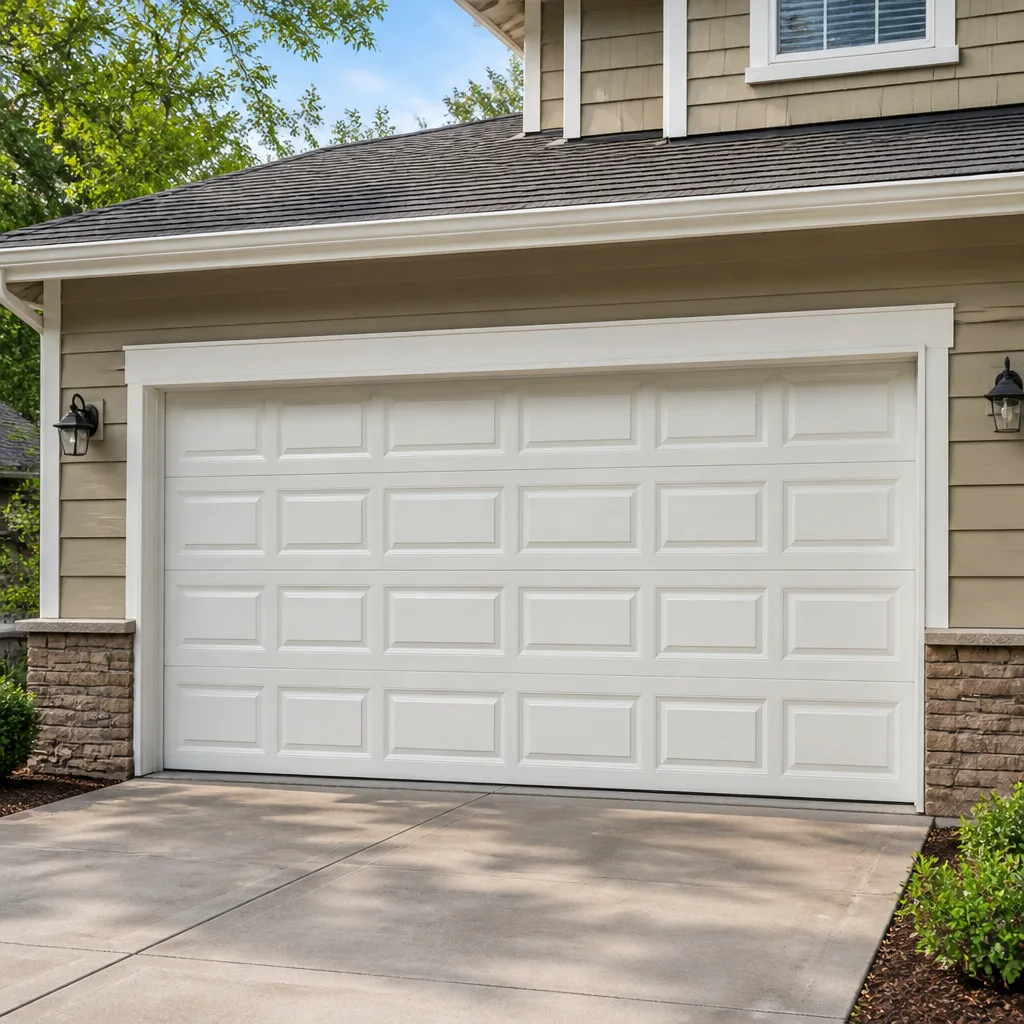 Raised-panel steel
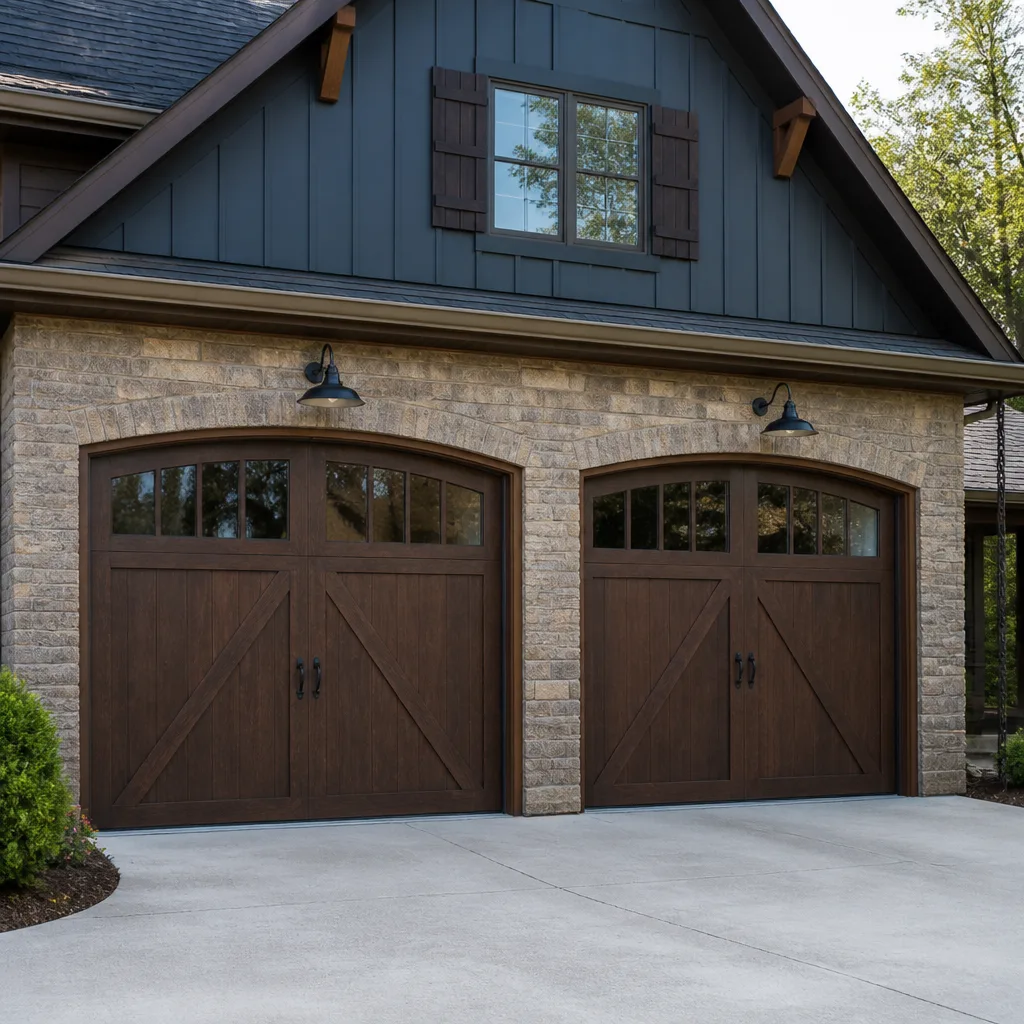 Carriage house
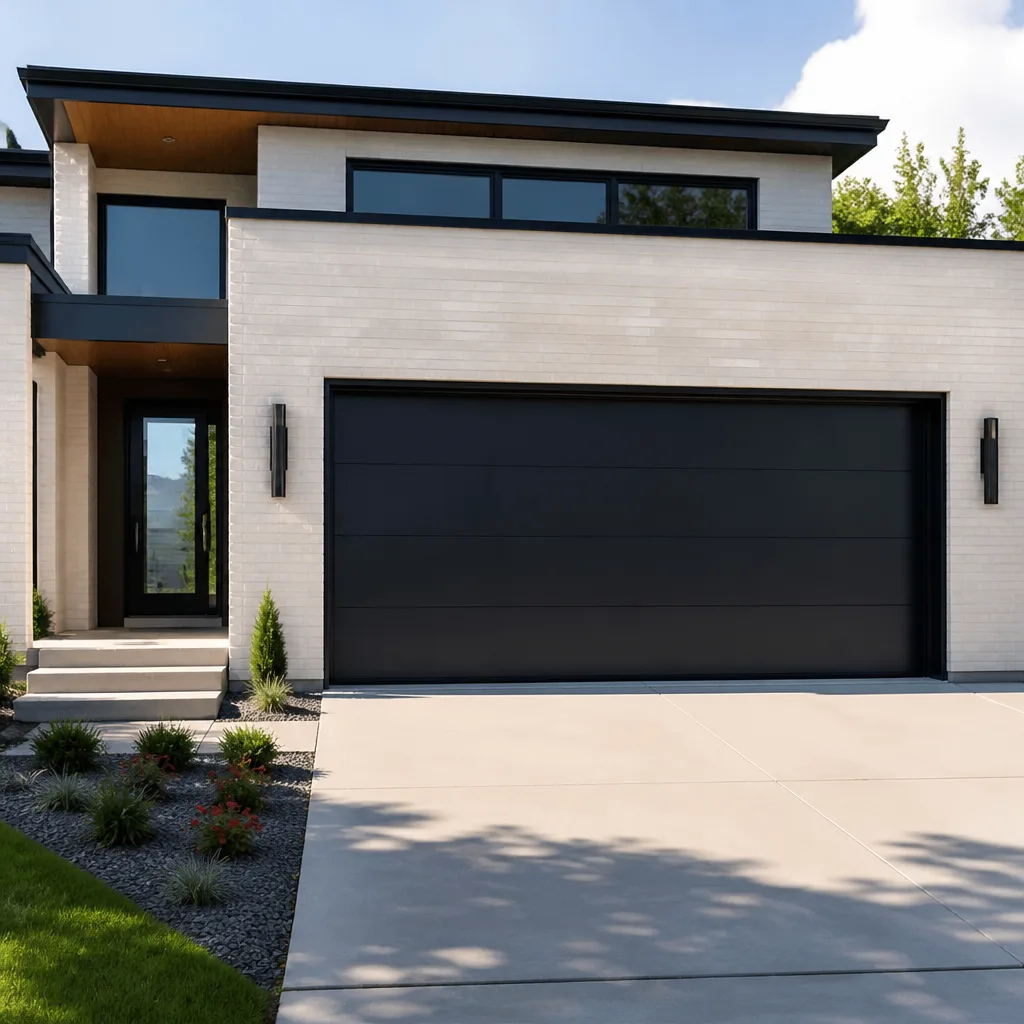 Modern flush
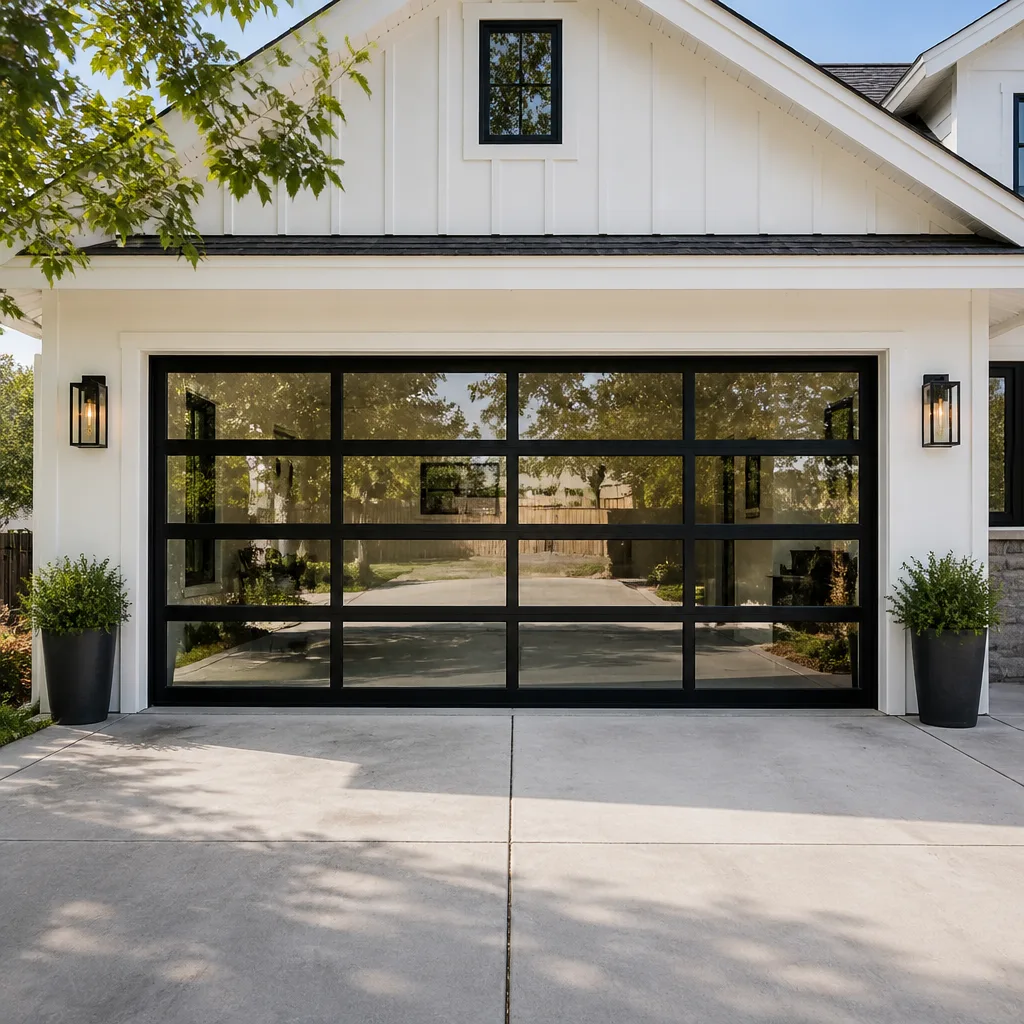 Full-view glass
 LiftMaster openers
 Chamberlain openers
Full 25-point door and opener safety check with every visit - springs, cables, rollers, tracks, and your LiftMaster or Chamberlain opener included
You get a price before we start. It does not change when the pro arrives.
Get your free estimateGarage Door Cost Breakdown: The Chesapeake Homeowner’s Reference for 2026
The cheapest garage door quote in Chesapeake is often the one that leaves out the disposal fee, the new hardware, and the follow-up service call, none of which gets mentioned until the tech is already at your house. Two homeowners with what sounds like the same job can end up hundreds of dollars apart, and it’s rarely because one of them got cheated. The variables are real: door weight, spring type, opener brand, track condition, and the way a company builds its estimate. This reference walks through every cost driver we know of so you can read a quote accurately instead of just picking the lowest number on the page. We’ll cover component pricing, what drives the spread, how to read a line item, and what deferring maintenance actually costs you in Chesapeake.
Quick Answer
Most residential garage door work in Chesapeake in 2026 lands in a predictable range: a single torsion spring replacement typically runs $180 to $340, a matched pair about twice that, and a full door replacement generally falls between $1,200 and $3,500 depending on material and size. Repairs like rollers, cables, and panel fixes usually sit under $500, while opener replacement ranges roughly $350 to $800 installed. Every one of these is an estimate until a technician measures your door and writes a firm price.
Styles & brands we work with
- Raised-panel steel
- Carriage house
- Modern flush
- Full-view glass
- LiftMaster openers
- Chamberlain openers
Table of Contents
- What does spring repair cost in Chesapeake?
- What do cables, rollers, and other small parts cost?
- What does a new opener cost, installed?
- Panel repair versus full door replacement
- Why the same job gets two very different quotes
- How to read a garage door quote line by line
- The real cost of putting off maintenance
- Warranty and financing questions worth asking
What does spring repair cost in Chesapeake?
Spring repair is the job most Chesapeake homeowners call about first, and it’s the one where pricing gets quoted the least carefully. A wound torsion spring holds enough tension to do real damage if it lets go while someone is working on it, so this is not a component to touch yourself. Our technicians have up to 15 years of experience with high-tension springs, and that experience is part of what you’re paying for on a spring call. Here’s how the numbers usually break down:
- Single torsion spring replacement: typically $180 to $340 in Chesapeake, including the spring and labor.
- Matched pair replacement: about twice the single-spring range, because springs on the same door wear together and should be replaced together.
- Extension spring replacement: generally in the same range as torsion, sometimes a bit less depending on door weight and spring count.
- Spring plus cable or drum work: higher, since the cable and drum often fail alongside a spring and have to be reset or replaced at the same visit.
One thing to watch: a quote for “spring repair” that doesn’t specify single or pair is not a real quote. Ask which, and ask what cycle rating the replacement spring carries. A standard-cycle spring and a high-cycle spring cost differently, and a door that sees heavy daily use (a house with two drivers, or a household where the door opens and closes a dozen times a day) will wear a standard spring out faster. The written estimate should name the spring type, the count, and the cycle rating before anyone turns a winding bar.
What do cables, rollers, and other small parts cost?
Small components are where garage door pricing in Chesapeake gets fuzziest, because the parts themselves are cheap and the labor is what you’re actually buying. A set of nylon rollers might be $4 apiece at a parts counter. The visit, the alignment, and the responsibility for getting it right are the rest of the bill. Rough ranges for the parts-and-labor version of each job:
- Roller replacement (full set): typically $90 to $180 installed. Nylon rollers are quieter than steel and are what we usually recommend for a door that faces living space.
- Cable replacement: generally $100 to $250 per side. Cables are under constant tension and a snapped cable is a safety issue, not a small annoyance.
- Track straightening or replacement: usually $150 to $400 depending on whether the track can be realigned or has to be swapped.
- Hinge replacement: often under $100 for a set, more if the hinges are seized and the door has to be partially disassembled.
- Bottom seal or weatherstrip: commonly $80 to $150, and worth doing before the rainy stretches in Chesapeake push water under the door.
These smaller jobs are also where bundling makes sense, and where the “we’ll come out and take a look” approach falls apart. A company that quotes you $89 to inspect the door and then quotes each part separately is not necessarily ripping you off, but you should ask for the total before they start. If you get a firm number up front on rollers and cables, you’ll know what you’re paying for the whole visit rather than discovering a parts markup at the end. For those smaller fixes, a straightforward approach to garage door repair usually means one trip and one number.
What does a new opener cost, installed?
Opener replacement is the single most variable line in a Chesapeake garage door quote, because the opener itself ranges from a basic chain drive to a belt or screw drive with a battery backup, and the installation job ranges from a swap to a full re-hang. Broad estimates for 2026:
- Basic chain-drive opener, installed: roughly $350 to $550.
- Belt-drive opener (quieter), installed: roughly $450 to $700.
- Opener with battery backup and smart features, installed: roughly $550 to $800.
- Opener plus new safety sensors and re-hung rail: on the higher end of those ranges, since the extra parts and labor add up.
Brand matters here in a practical way. Chamberlain and Genie are the two most common residential opener brands we see in Chesapeake homes, and both have their own logic for safety sensor placement, travel limits, and the way the wall control talks to the motor. A technician who knows the specific brand takes less time to get the door running smoothly, and less time means a lower bill. Craft a proper diagnosis before you buy: an opener that “seems dead” is sometimes a sensor alignment problem, a worn gear, or a capacitor, and a repair can cost a fraction of a new unit. When it does need replacing, ask the installer whether the new unit’s force settings will be tuned to your specific door weight, rather than left at the factory default. That tune-up step is standard on a decent install, and skipping it is one reason a new opener can feel jerky. If this is the job you’re facing, our garage door opener repair service covers both diagnoses and full replacements.
Panel repair versus full door replacement
A single dented panel is not a full-door conversation, but a Chesapeake homeowner can often be pushed toward replacement faster than necessary. Here’s the honest split: if one section is damaged and the door otherwise runs true, panel replacement is usually the right call. If the door is out of balance, the panels are separating, or several sections have damage, replacement usually ends up cheaper over a few years. Rough ranges:
- Single panel replacement: typically $200 to $600 depending on size and material.
- Full steel door replacement, insulated: roughly $1,200 to $2,200 installed.
- Full wood or composite door replacement: roughly $1,800 to $3,500 depending on size, finish, and hardware.
- Windows or decorative inserts: add to these, usually in the low hundreds per unit.
Material choice matters in Chesapeake more than people expect. Wood doors need periodic sealing and repainting in our humidity, and a north-facing door that never dries out will show wear faster than one in full sun. Steel and aluminum doors are lower-maintenance and hold up better to the moisture swings of a Virginia summer. Insulated steel is the middle ground most people land on. If you’re weighing a replacement, a full measure-and-quote visit is the right first step, not a same-day decision, because door sizing, header condition, and opener compatibility all come into the price. New doors are measured, ordered, and scheduled, so plan for a lead time rather than assuming it’s a next-morning job. Our garage door installation team handles the measure and the install together, so the door and the spring system are matched.
Why the same job gets two very different quotes
Here’s the heart of it: two Chesapeake homeowners, same door size, same brand, can get quotes hundreds of dollars apart, and neither company is necessarily wrong. The spread comes from real differences in the job and in how a company builds its price. The five biggest drivers we see:
- Material grade. Springs have cycle ratings, rollers come in nylon or steel, and openers come with or without battery backup. A quote that names the grade and a quote that says “spring” are not the same offer.
- Brand familiarity. A tech who works on Clopay and Amarr doors regularly takes less time than one who has to figure out a door system they rarely see. Your technician’s knowledge of your brand shows up in labor hours, which shows up in the total.
- Installer overhead. A regional independent and a national franchise carry different overhead, and it lands in different parts of the quote. Franchise quotes often look competitive until you read the disclaimer.
- Parts markup. Some companies sell parts at cost and make their margin on labor; others mark up parts heavily and keep labor low. The total can be similar; the line items won’t be.
- Scope creep and scope shaving. One quote includes disposal of the old door and hardware, and another quietly leaves it off. One includes a safety check and balance adjustment, another doesn’t. The lower quote isn’t automatically the better deal.
The right way to compare is to line up two quotes side by side and check that they cover the same work, the same parts, and the same cleanup. If one is $800 cheaper, the question is what it’s leaving out. When you compare quotes that way, the difference usually explains itself. As an independent company operating under the Chesapeake name, we’re accountable for our estimates locally, and the goal on every job is a written number before the first tool goes into the truck.
How to read a garage door quote line by line
A quote you can’t read is a quote you can’t hold anyone to. When you get a written estimate in Chesapeake, here’s what a fair one should contain, and what vague language usually hides:
- Header with your name, address, and date. This sounds trivial, but a quote without an address can be altered later. Insist on it.
- Part number and description for every component. “Spring replacement” is not enough. It should read “torsion spring, X inches, standard or high cycle, one or two.”
- Labor broken out separately from parts. A single line that says “job total” makes it impossible to check the parts markup.
- Disposal and cleanup, stated explicitly. Old springs, cables, and hardware are sharp and heavy, and hauling them off is real work. If it’s not on the quote, ask.
- Safety check and balance test included. Any spring or cable job should end with the door counterbalanced and tested. If that’s not on the quote, it isn’t free, it just hasn’t been mentioned yet.
- Warranty terms in writing. Parts and labor warranties can differ. Get both.
- Payment terms and any change-order process. What happens if the tech finds something the estimate didn’t cover? The quote should say how that gets priced.
“Vague language” is worth naming: “shop supplies,” “extra service,” “as needed,” and “miscellaneous” are all words that mean the price isn’t firm. Ask them to put a number on it. On a spring call, the price should be agreed before anyone starts, and the written estimate is the price you pay.
The real cost of putting off maintenance
Garage door maintenance is cheap; catching up on missed maintenance is not. A worn roller on a Chesapeake door can be swapped for well under $100. Let that same roller keep chewing at the track for six months of daily use and you’re looking at a bent track and a much larger repair. The math of deferral is simple and consistent:
- Roller replacement now: roughly $90 to $180 for a full set.
- Track straightening or replacement later: roughly $150 to $400, plus the cost of the rollers you still end up buying.
- Hinge replacement now: under $100.
- Door section replacement after a hinge fails: $200 to $600 for a single panel.
- Opener tune-up now: cheap and quick. A failed opener in a door that’s out of balance is $350 and up.
There’s also a hidden cost: a door that’s out of balance and slamming its full weight on the opener ages that machinery faster. If you’re not sure whether the door is balanced, a trained technician can check it in minutes, and if it needs only a spring adjustment rather than replacement, that’s a much smaller number. Our Chesapeake Garage Door Repair Co team handles adjustment and repair in the same visit, and we’d rather tune a healthy door than replace parts it doesn’t need. Emergency calls we can handle, but the cheapest emergency call is the one you never have to make.
Warranty and financing questions worth asking
Warranty language is one of the least-read and most expensive parts of a garage door quote, and it’s where franchise and independent companies often differ most. Before you sign, ask these questions:
- “Does the ‘lifetime warranty’ cover labor, or parts only?” Most lifetime warranties cover the parts for as long as you own the home. Labor is often excluded or limited to a short window. Get the terms in writing.
- “Who honors it if your company isn’t around?” Parts warranties usually travel with the manufacturer. Labor warranties are only as durable as the company. Independent and regional companies tend to be more accountable on this front because their name is on the local market.
- “Is the warranty voided by anything I do myself?” Adjusting or lubricating the door typically doesn’t void anything, but DIY spring work will, and for good reason.
- “Do you offer financing?” Ask directly. Cost per month on a full door replacement can make a necessary repair much easier to budget.
- “What’s the parts availability?” If a manufacturer has stopped making a panel style, warranty replacement gets complicated. Ask.
There’s no single right answer on all of these, but asking the questions separates a real provider from a phone script. On a new door or opener install, remember that financing is arranged before the work, not after, and the terms should be in the written quote.
Common Mistakes to Avoid
- Taking the lowest number without checking scope. A quote that’s $200 lower because it leaves off disposal and the balance test isn’t cheaper, it’s shorter.
- Accepting “we’ll match the spring to the door” without a part number. Ask for the actual spring spec and cycle rating in writing.
- Skipping the balance check on a spring repair. A door that isn’t balanced runs unevenly and wears out the opener and tracks over time.
- Assuming brand-specific problems are universal. Chamberlain, Genie, Clopay, and Amarr each have their own designs and quirks. Ask your tech to confirm they’ve worked on your brand before they arrive.
- Dismissing a $100 repair as “too small to bother with.” A worn roller or hinge can grow into a track or panel repair quickly.
- Believing you can re-wind a torsion spring yourself. This is a genuinely dangerous job, and the hospital bills outweigh any savings immediately.
- Not asking about warranty exclusions up front. “Lifetime” almost always means parts only, so confirm what labor cover looks like before you commit.
See the difference
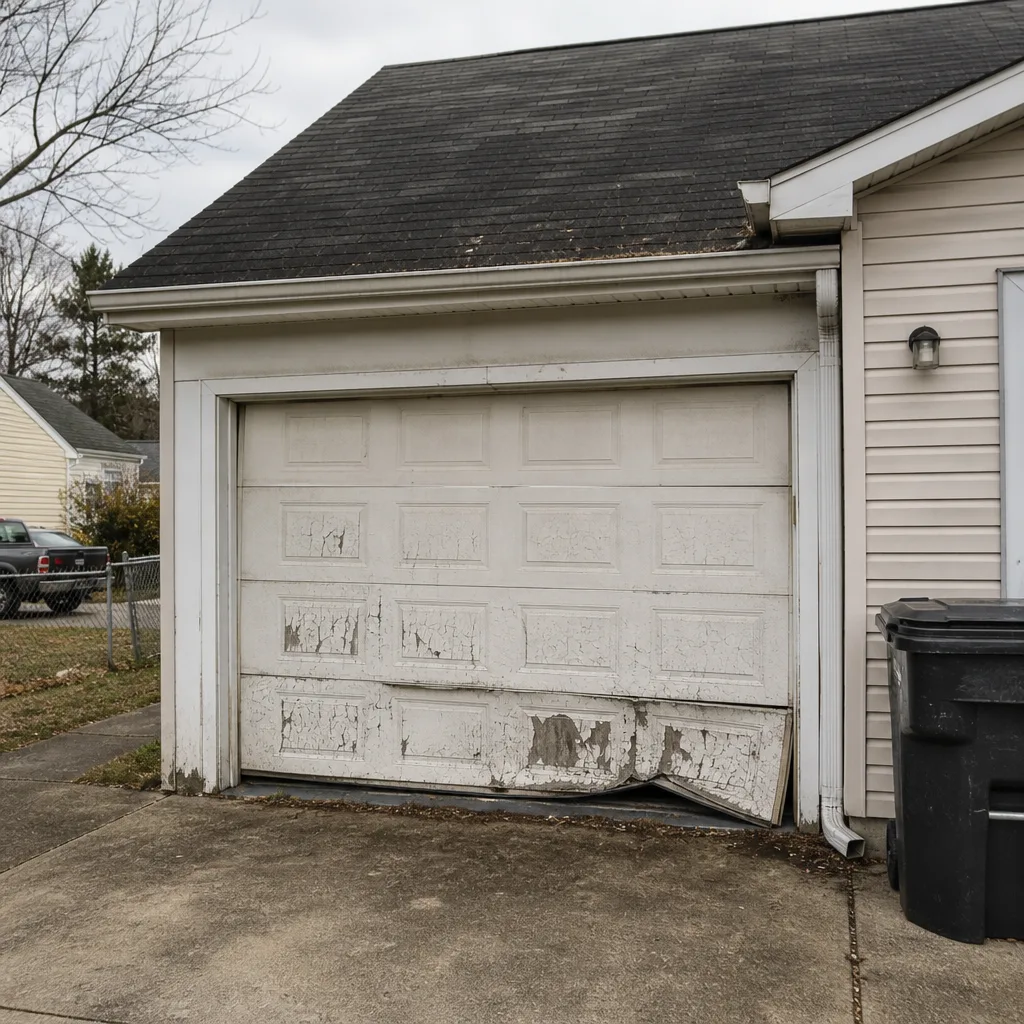 Before
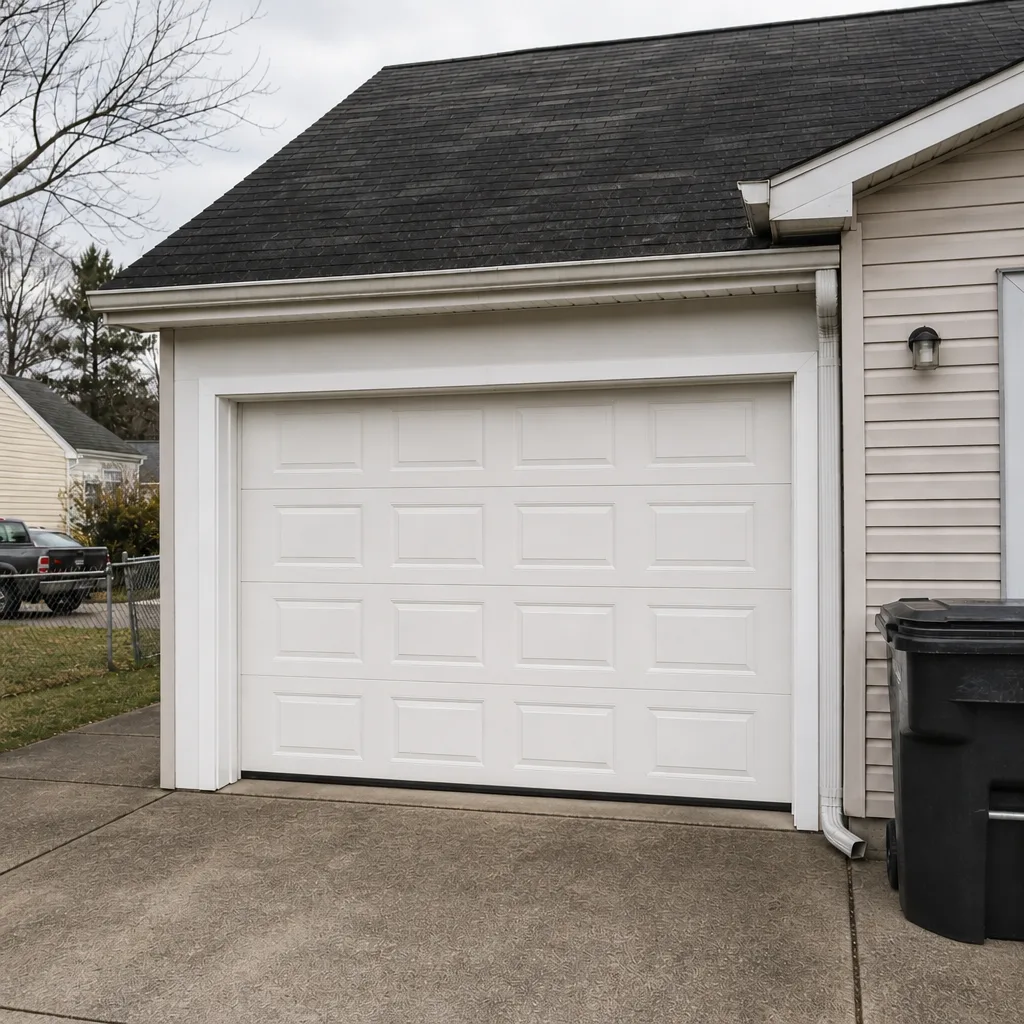 After
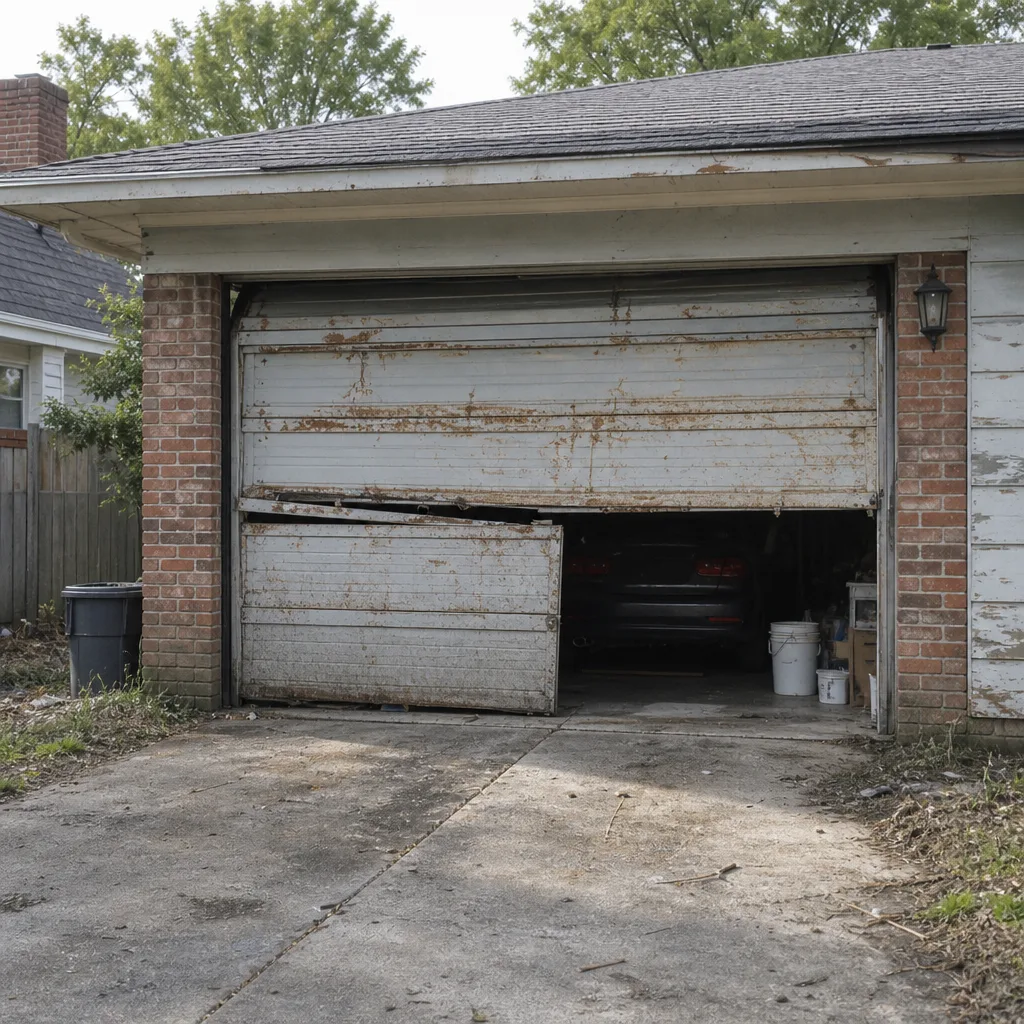 Before
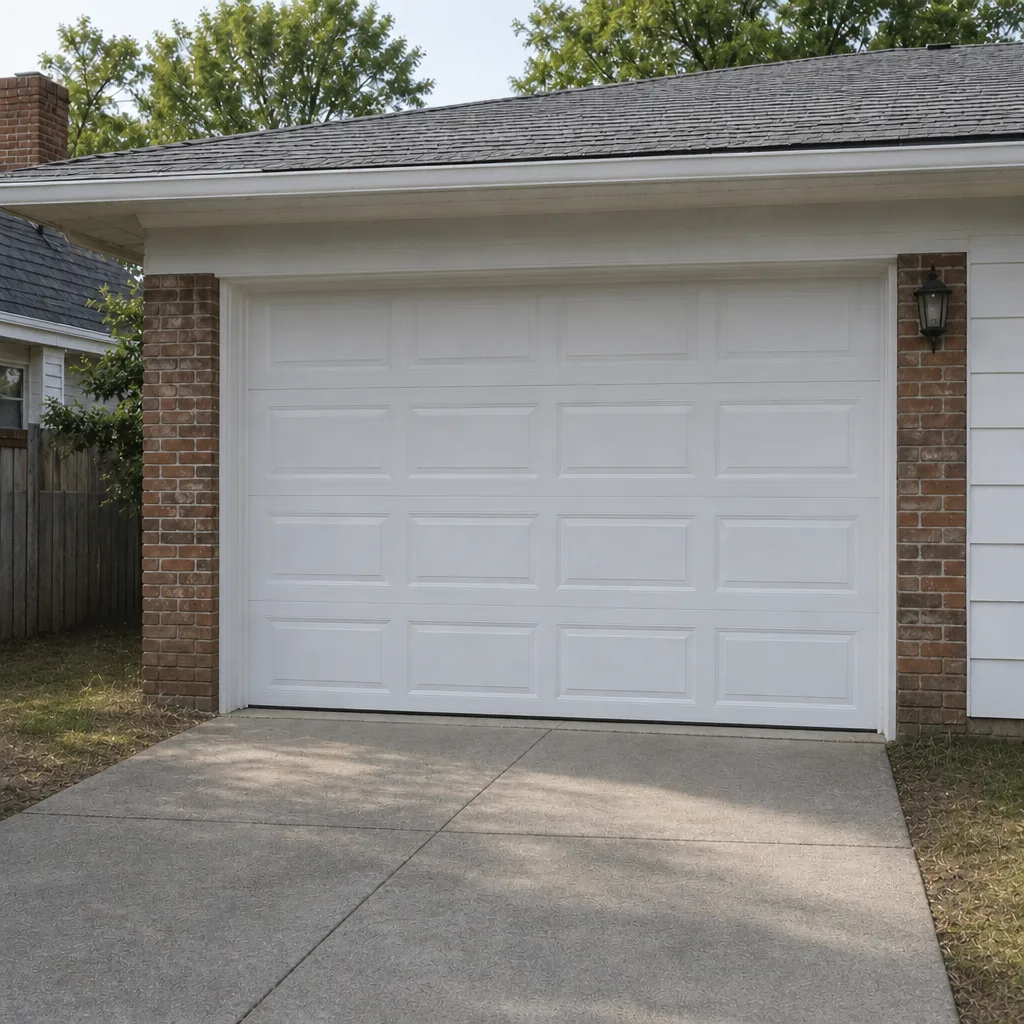 After
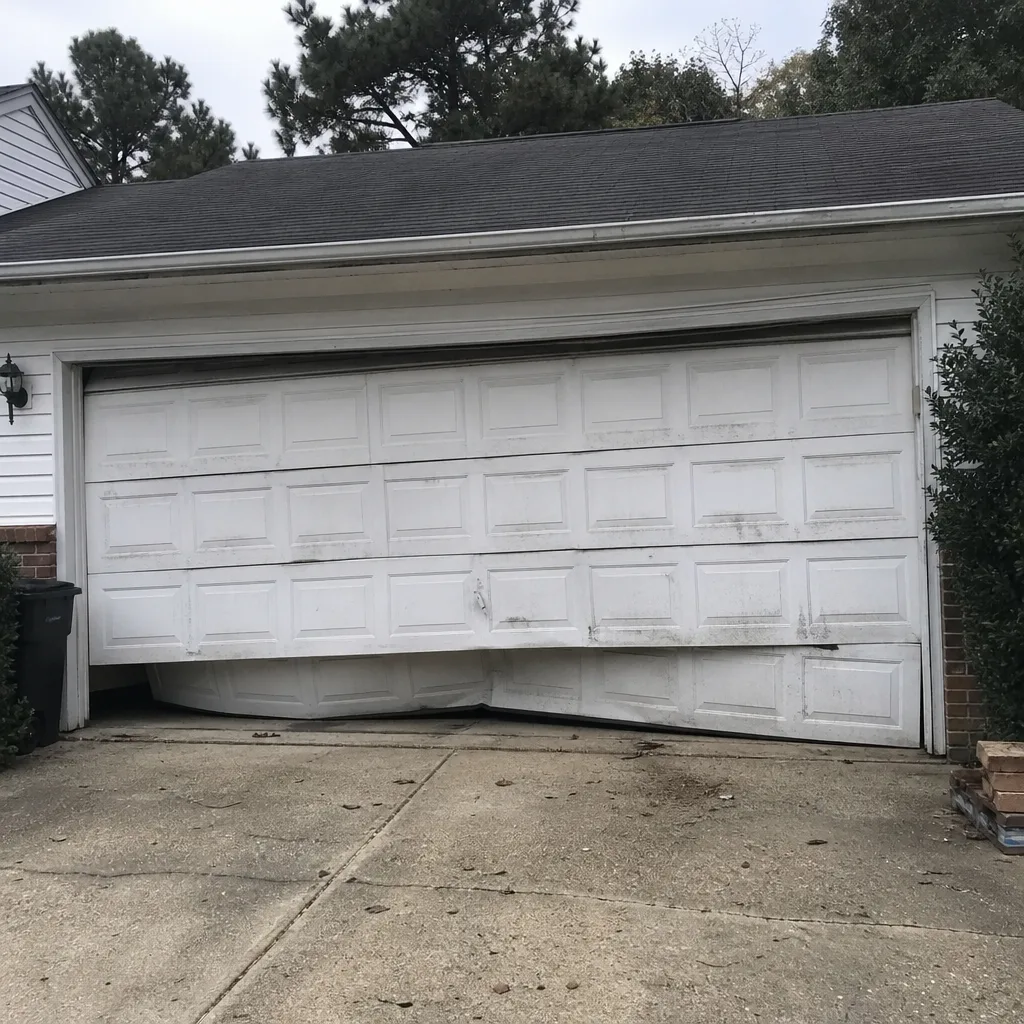 Before
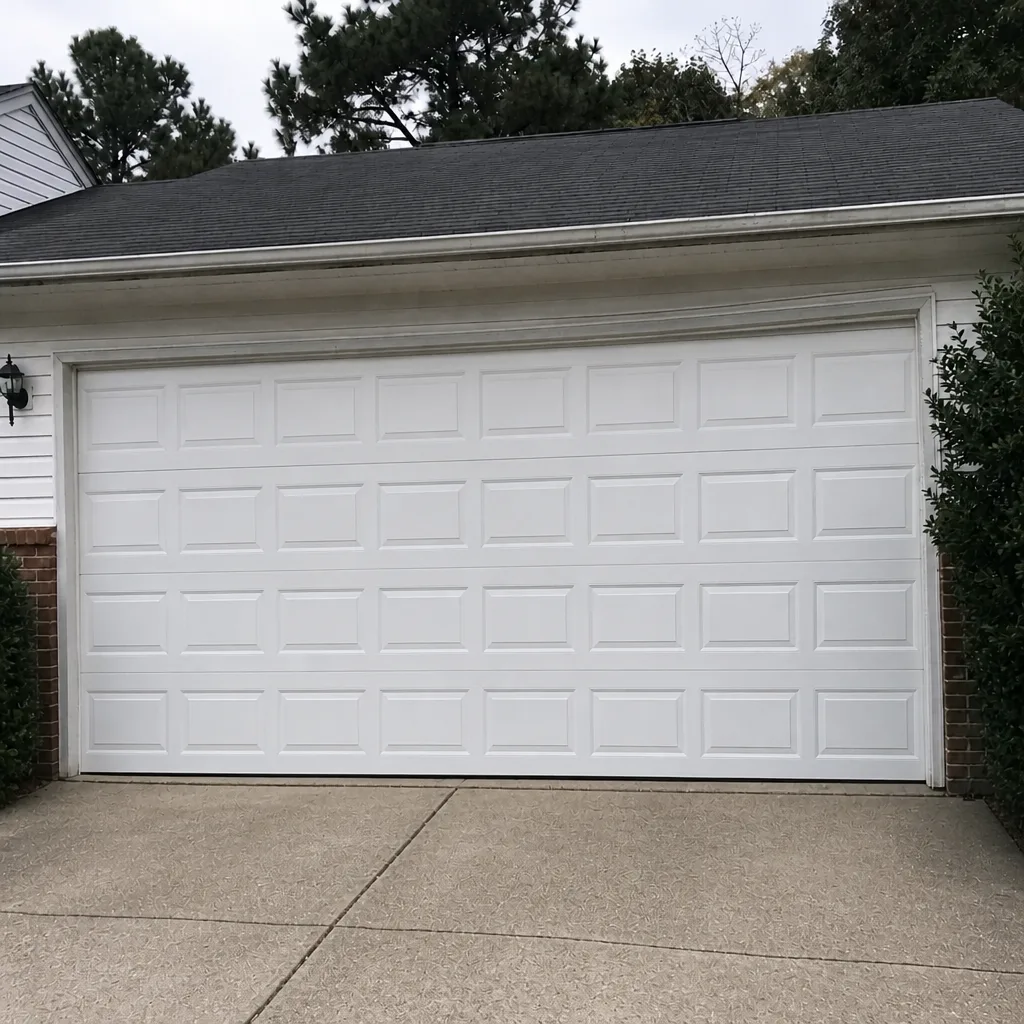 After
When to Call a Professional
Some garage door calls are more urgent than others. Call a professional if the door is off its track, a spring or cable has failed, the door won’t close all the way, the opener is making grinding or popping noises, or the safety sensors aren’t tripping reliably. If a car is trapped or the door is stuck open and the house is exposed, an emergency visit makes sense, and Chesapeake Garage Door Repair Co offers emergency service for those situations. For lighter issues, a scheduled visit is fine, and we’d rather plan a proper repair than rush one. If you’re comparing quotes, get two written estimates and check that they cover the same work. Free estimates in Chesapeake are available from our team, and we can put a firm number in writing before anyone starts. Call (866) 476-9023 to get scheduled.
Frequently Asked Questions
A full garage door replacement in Chesapeake in 2026 typically costs $1,200 to $3,500 installed, with insulated steel on the lower end and wood or composite on the higher end, plus windows and decorative inserts. The written estimate sets the final price, and you get that number after a measure-and-quote visit, not over the phone. Call (866) 476-9023 for a free measure and a firm quote.
The two quotes are usually not the same job once you read the line items. Material grade, brand familiarity, parts markup, disposal, and whether the safety check and balance test are included can all swing the total by hundreds of dollars. Line the two quotes up side by side and ask each company to put a number on anything vague. If a company won’t give you a firm number, that’s a signal.
Yes. Our team offers emergency garage door service for Chesapeake homes, including spring failures, doors off track, and doors that won’t close. Call (866) 476-9023 and we’ll book the soonest available slot. Spring and cable failures are genuine hazards, so don’t try to force the door closed or open on your own.
Most springs are rated in cycles, and a standard-cycle spring is typically good for several years of typical daily use, while a high-cycle spring lasts longer. Chesapeake’s humidity swings and temperature changes wear the metal a little faster than a mild climate, but the cycle count matters more than the calendar. A spring past its rating can still look fine right up until it snaps, so ask for the cycle rating when you get a quote.
Often not. If one section is damaged and the rest of the door is balanced, running true, and the panels aren’t separating, a single panel replacement typically costs $200 to $600 versus $1,200 and up for a full replacement. The full door only makes sense when the balance is off, several panels are damaged, or the hardware is at end of life. Get a real diagnosis before you decide. Call (866) 476-9023 for a free estimate on either path.
Most likely. Our technicians are factory-familiar with LiftMaster, Chamberlain, Genie, Clopay, Amarr, Wayne Dalton, Craftsman, and Raynor equipment, which covers the vast majority of residential doors and openers in Chesapeake homes. Brand familiarity matters because each system has its own safety sensor, travel limit, and hardware logic. Tell us your brand when you call and we’ll confirm before we schedule.
The Bottom Line
Garage door pricing in Chesapeake is not arbitrary; it’s detailed. The cheapest quote isn’t automatically the best one, and the most expensive isn’t either. What matters is whether the quote covers the same work, names the same parts, includes disposal and a balance check, and states the warranty terms up front. Spring repairs typically land between $180 and $340 for a single spring, smaller components under $250, openers $350 to $800 installed, and full door replacements $1,200 to $3,500. Compare quotes line by line. And when you’re ready for a firm number, call (866) 476-9023 for a free estimate from Chesapeake Garage Door Repair Co, where the written price is the price you pay.
Written by the team at Chesapeake Garage Door Repair Co.