Last updated November 21, 2026
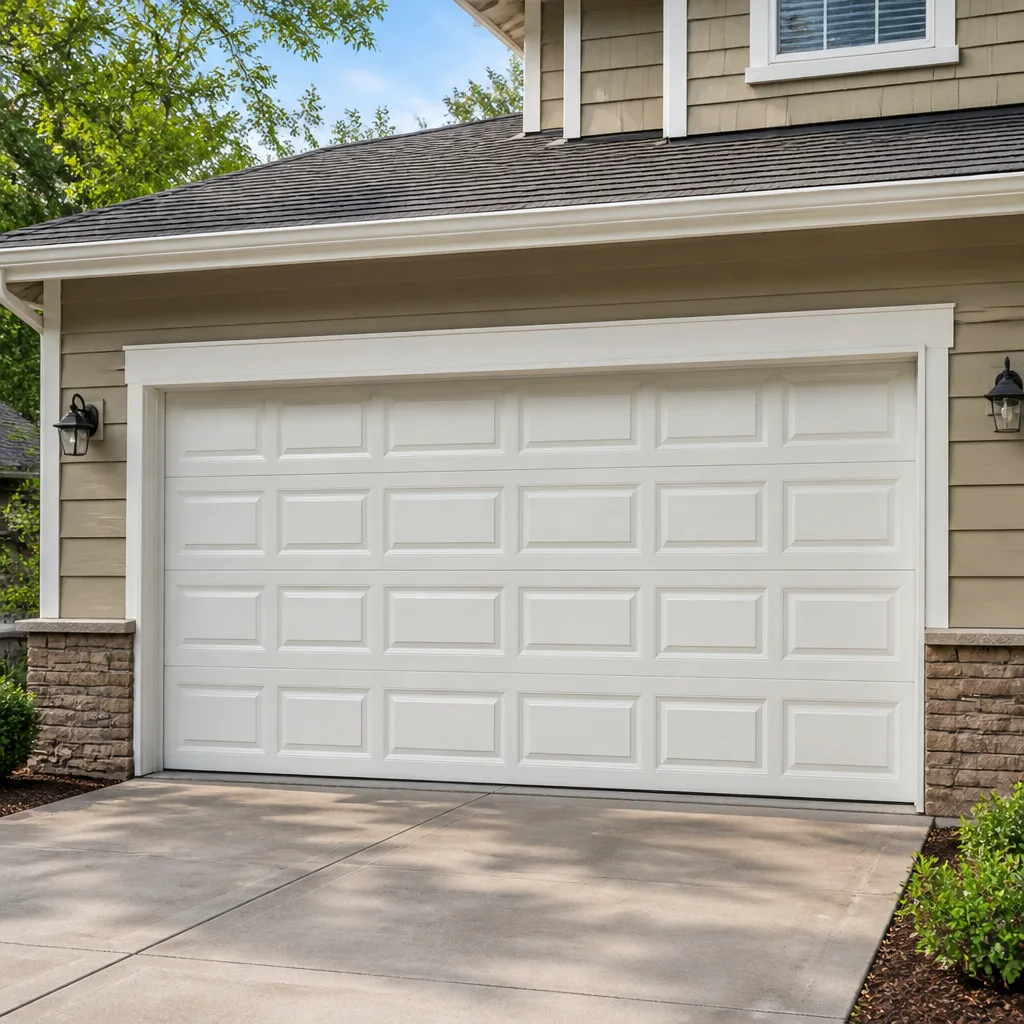 Raised-panel steel
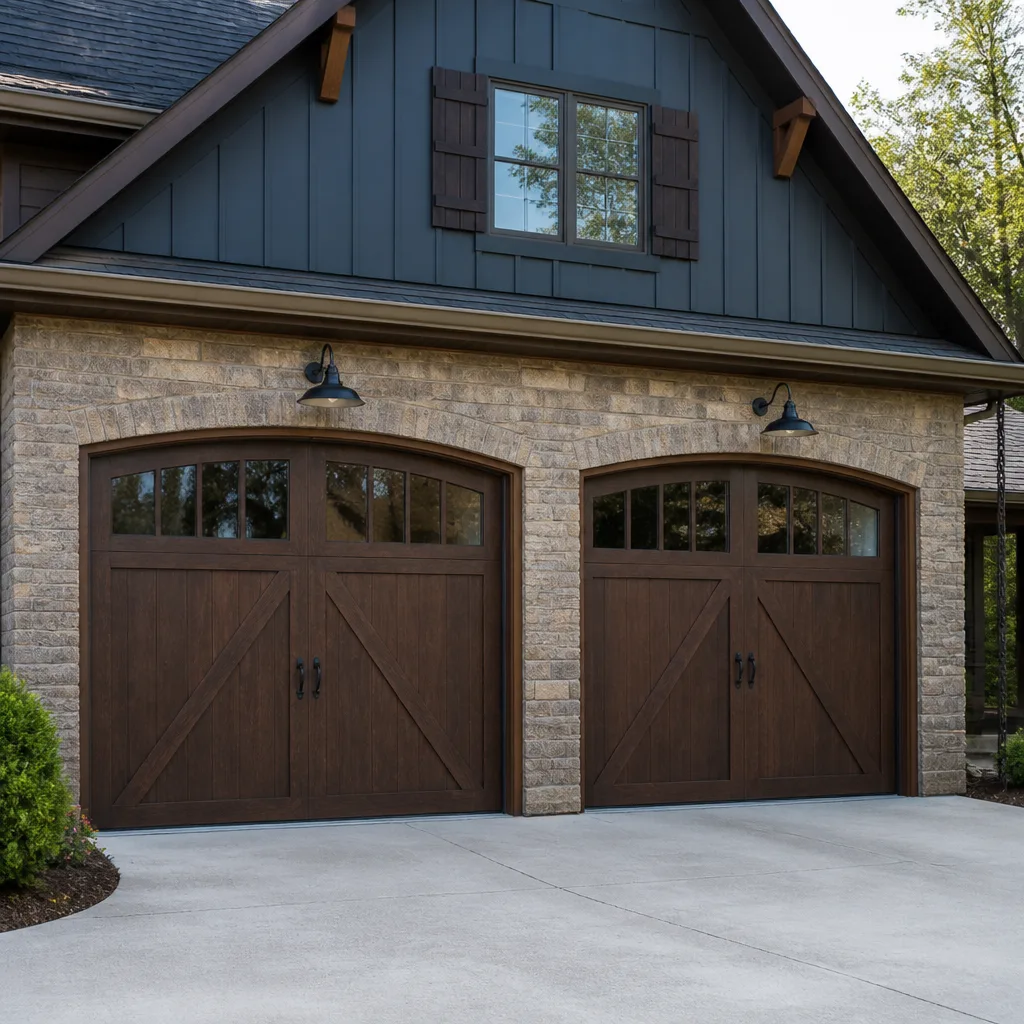 Carriage house
 Modern flush
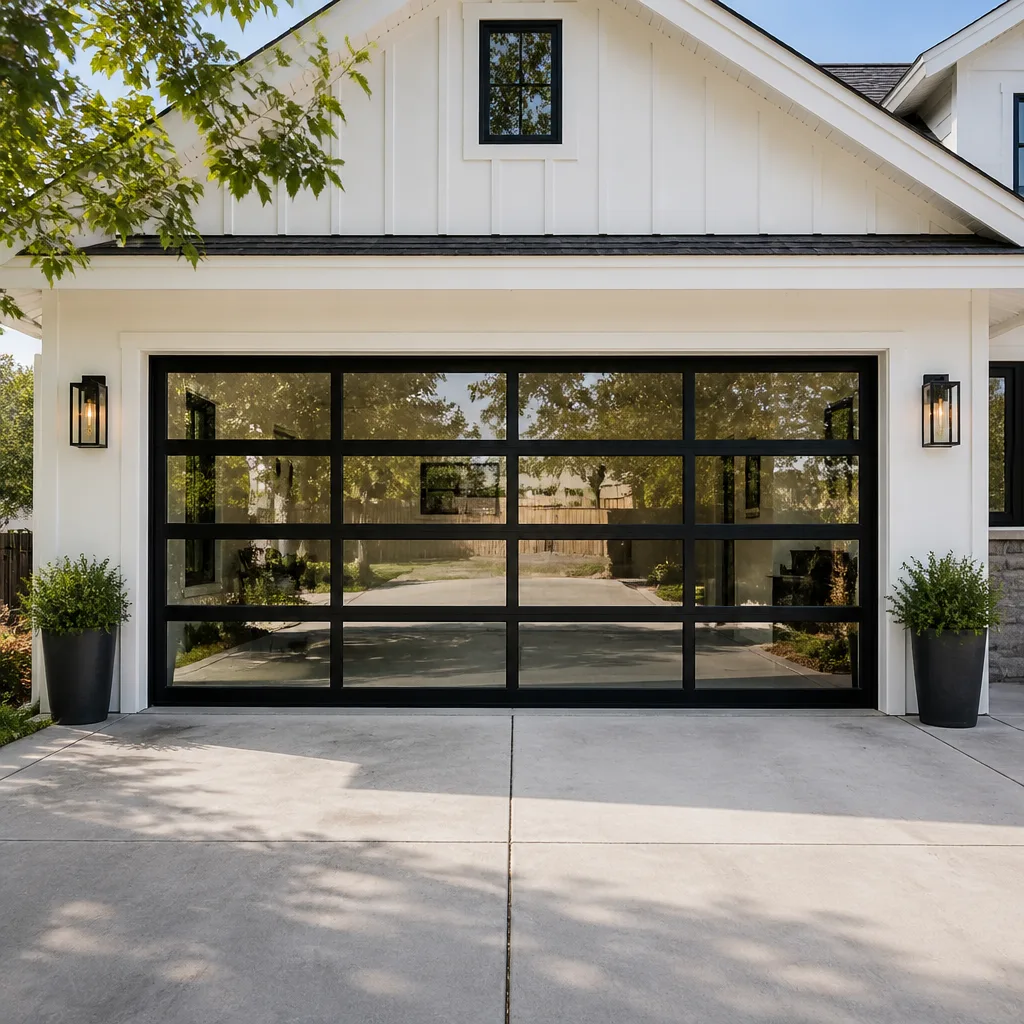 Full-view glass
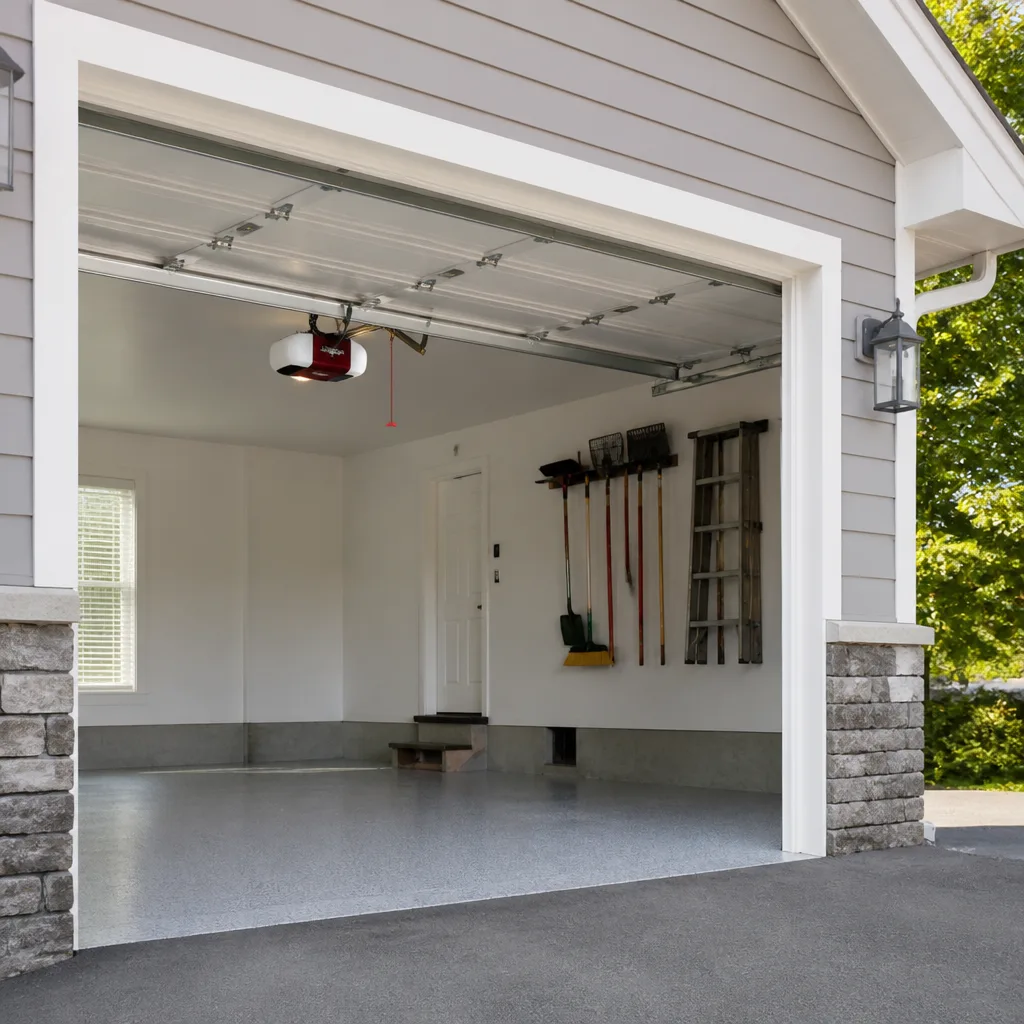 LiftMaster openers
 Chamberlain openers
Full 25-point door and opener safety check with every visit - springs, cables, rollers, tracks, and your LiftMaster or Chamberlain opener included
You get a price before we start. It does not change when the pro arrives.
Get your free estimateGarage Door Permits, Codes & Inspections in Chesapeake, VA: What You Need to Know
A new garage door installation in Chesapeake is usually permit-exempt. That’s the part most homeowners hear, and most of the time it’s true. But add a new opener with a different power setup, widen the opening, or cut into the structural header above the door, and you’ve crossed into permit territory without anyone necessarily warning you. Plenty of contractors never bring it up. We’ve walked into plenty of Chesapeake homes with recently installed doors and openers who never received a permit, only to have a home inspector flag it during a sale. This guide maps exactly when a permit is required in Chesapeake, when it isn’t, and what’s at stake.
Quick Answer
A like-for-like garage door replacement is typically exempt from permitting in Chesapeake. You’ll need a permit if the work changes the rough opening size, alters the structural header or framing, adds or replaces an opener that requires electrical work beyond a simple plug-in, or converts an attached garage into an enclosed space. When in doubt, call the City of Chesapeake’s Department of Development & Permits before work begins – a quick phone call beats a compliance headache at resale.
Styles & brands we work with
- Raised-panel steel
- Carriage house
- Modern flush
- Full-view glass
- LiftMaster openers
- Chamberlain openers
Table of Contents
- When a Garage Door Project Requires a Permit in Chesapeake
- How the Virginia USBC Applies to Garage Doors
- What Inspectors Look For During a Garage Door Inspection
- Unpermitted Work and Your Homeowner’s Insurance
- Virginia Real Estate Disclosure Rules for Unpermitted Work
- How to Verify Permit History on a Home You’re Buying
- Step-by-Step: Pulling a Garage Door Permit in Chesapeake
- Common Mistakes to Avoid
When a Garage Door Project Requires a Permit in Chesapeake
The trigger isn’t the door itself. It’s what happens around the door. Chesapeake’s building code treats a garage door replacement as routine maintenance when the new door matches the old one’s size and load characteristics. Change the opening geometry, the structural framing behind it, or the electrical service feeding the opener, and you’ve entered a permitted scope of work.
These are the situations where we tell Chesapeake homeowners to plan for a permit:
- Enlarging or narrowing the rough opening. Widening a single-car opening for a double door means cutting the header. That’s structural, and it needs an engineer’s stamp plus a permit.
- Structural header or jack stud modifications. Any cutting, sistering, or replacement of the header above the opening triggers a permit and typically a structural inspection.
- New opener with dedicated circuit. If your existing opener plugged into an outlet and the new one needs a hardwired circuit, that’s electrical work. Most cities require a permit for new circuits, and Chesapeake is no exception.
- Replacing a manually operated door with an automatic opener on an older home. Beyond the circuit question, the safety reversal and photo-eye requirements bring the assembly under a newer code cycle than the house was built to.
- Converting an attached garage into living space. Adding a doorway from garage to house, insulating the garage envelope, or sealing off the garage door opening all require permits and multiple inspections.
- Replacing a door with a higher-wind-rated model in a windborne debris region. Ask the city’s building department whether your address falls in a windborne debris area that would require the door to be rated and installed to a specific standard.
Where the door brand matters: doors from Clopay and Amarr, in particular, come with manufacturer load data that inspectors may ask for. Keep the manufacturer’s spec sheet with your permit documents. If your home has a discontinued Wayne Dalton or Raynor model, the new door’s load equivalency needs to match the old one on paper, not just by eye.
How the Virginia USBC Applies to Garage Doors
Virginia runs on a statewide code: the Virginia Uniform Statewide Building Code, or USBC. It’s built from the International Residential Code with Virginia-specific amendments, and every locality in the Commonwealth adopts it – Chesapeake included. The USBC is what makes permits, inspections, and compliance uniform from Chesapeake to Fairfax. It’s also what prevents the confusion that exists in other states where every county runs on its own code cycle.
The USBC uses a “rehab” framework. Repairs and alterations fall under specific provisions that define when a permit is and isn’t required. In plain terms:
- Ordinary repairs – replacing a broken spring, swapping a worn hinge, replacing rollers – don’t trigger a permit. These are maintenance.
- Alterations – changing the door size, moving the track, cutting the header – do trigger a permit because they affect the structural envelope.
- New construction – building a garage where none existed – follows the full new-construction permit process with footing, framing, and final inspections.
Chesapeake adopts the USBC with its own local amendments and administrative procedures. What that means practically: the code content is state-level, but the permit application process, fee schedule, inspection scheduling, and enforcement all run through the City of Chesapeake’s Department of Development & Permits. If you want to know whether your specific project triggers a permit, that’s the office to call. We don’t file permits on a homeowner’s behalf, but we do walk Chesapeake customers through what to expect on their application.
One area where the code matters more than most people realize: egress. If a garage door is the only exit from a room in some accessory structures, the door and opener must meet specific operational requirements. In Chesapeake, inspectors look at this mostly on detached garages and converted spaces.
What Inspectors Look For During a Garage Door Inspection
When a permit is filed and the door or opening work is inspected, the inspector isn’t checking your aesthetics. They’re checking life safety and structural compliance. These are the items that most often come up in Chesapeake:
- Header and framing. The inspector verifies that any header modifications were done per the approved plans and that framing is sized and supported correctly.
- Attachment of the door and track to the structure. Fasteners must go into solid framing, not drywall or sheathing. In homes with masonry openings, they check the anchors.
- Safety reversal for automatic openers. The door must reverse on contact with a test object, and the photo-eye system must stop the door if the beam is broken. This is the single most common failure on older installs.
- Manufacturer labeling. The door’s certification label must be visible and must match the model on your paperwork, which is where factory documentation for brands like Clopay and Amarr becomes useful.
- Electrical connections. If a new circuit was run for the opener, the electrical rough-in and final must be inspected separately, typically before the door is fully installed.
Inspections happen in sequence. The electrical rough-in comes first if a new circuit is involved. Then the structural inspection. Then the final inspection after the door is hung and the opener is tested. Missing the sequence means a re-inspection fee and a delay. We’ve seen Chesapeake homeowners lose a week just because the rough-in and framing inspections got scheduled in the wrong order.
Unpermitted Work and Your Homeowner’s Insurance
This is where the cost of skipping a permit stops being hypothetical. If a structural change was made to your garage opening without a permit and the door later fails – or worse, someone is injured – the insurance adjuster will ask for permit documentation. If it doesn’t exist, the claim can be reduced, delayed, or denied depending on how the policy language reads.
Standard homeowner’s policies generally exclude losses caused by work done without required permits, especially when the work touches a load-bearing element. The logic is straightforward: the insurer priced your policy assuming your home is built to code. An unpermitted structural alteration changes that risk profile, and most carriers treat that as a material change they weren’t told about.
- Door falls and damages a car. If the door was improperly attached and no permit was pulled for a header modification, coverage for the vehicle damage may be questioned.
- Injury to a guest. If a person is injured by a door that failed a safety reversal test and the opener install was unpermitted, liability coverage can become complicated.
- Wind or storm damage to a non-compliant door. If a door was replaced with a lower-rated model than your region requires, the carrier may challenge the claim.
We’re not insurance advisors, and we always tell Chesapeake homeowners to read their own policy and call their agent with specific questions. What we can say from the trade side: every adjuster we’ve dealt with asks for permits on anything that touched framing or electrical. Having the paperwork makes a bad day much less bad.
Virginia Real Estate Disclosure Rules for Unpermitted Work
Virginia requires sellers to disclose known material defects and the condition of major systems on the Residential Property Disclosure Statement. Unpermitted work that affects a major system – including the garage structure and door – is generally something a seller should disclose. It’s not always pinned to a specific form line, but the disclosure obligation is real.
What that looks like in practice for a Chesapeake seller who had an unpermitted door swap and opener install:
- Disclose the work. State clearly what was done, when, and that no permit was pulled.
- Expect a buyer’s inspection. Most Virginia buyers will have an inspector look at the garage, and a decent inspector will note missing permits or recent structural work.
- Expect negotiation. Some buyers will walk. More will ask for a credit or demand the work be permitted retroactively, which means a call to the city and a visit from an inspector.
- Understand retroactive permitting. Chesapeake can permit completed work retroactively in many cases, but it involves opening walls or providing engineering documentation, and it’s rarely cheap.
The simplest path is to permit the work upfront. When a Chesapeake door replacement is genuinely permit-exempt, you save the fee and the hassle. When it isn’t, you avoid a disclosure problem that can cost far more at closing than the permit would have cost at install.
How to Verify Permit History on a Home You’re Buying
Buying a home in Chesapeake with a recently installed garage door, opener, or remodeled garage? Pull the permit history before you close. This is one of the cheapest and most valuable checks a buyer can make, and it takes less than an hour.
- Start with the City of Chesapeake Department of Development & Permits. They maintain the permit records for your address and can confirm what’s been filed, when, and whether the work was finalized.
- Ask your real estate agent to request the seller’s disclosure and any contractor invoices. Recent door installation invoices should name the door model, the installer, and whether a permit was pulled.
- Cross-check the door’s certification label against the model named on any invoice. A mismatch is a red flag.
- Request the county’s final inspection record if a permit exists. A permit that was never finalized is worse than no permit, because it can hold up your closing.
- Have an inspector look at the header and the opener. Ask specifically whether the header shows signs of recent modification without documented engineering.
- Call the city directly if anything doesn’t add up. Chesapeake’s permit staff can tell you what records exist for your address and whether a final inspection was ever passed.
For buyers in established Chesapeake neighborhoods where homes have been remodeled multiple times, this check should be routine. Cheap insurance, and it saves you from inheriting someone else’s compliance problem.
Step-by-Step: Pulling a Garage Door Permit in Chesapeake
If you’ve confirmed your project needs a permit, here’s how the process typically goes in Chesapeake. A licensed contractor can often file on your behalf, but a homeowner can also pull permits for their own primary residence.
- Call the City of Chesapeake Department of Development & Permits to confirm the scope triggers a permit and get the current application requirements and fees.
- Gather documentation. You’ll need the door manufacturer’s spec sheet, a site plan or sketch of the opening and header, and if structural work is involved, engineering from a licensed structural engineer.
- Submit the application with the required documents and pay any fees.
- Schedule inspections in the right order. Electrical rough-in first (if a new circuit is involved), then framing and structural, then final after the door and opener are installed and tested.
- Keep the final inspection record with your home’s documentation. It’s what you’ll need at resale.
For a straightforward door swap with no structural or electrical change, none of this applies and you’re done without any permit at all. That’s the majority of Chesapeake installations. But if your job is in the lesser set, doing it right is what makes the door a permanent asset rather than a deferred problem.
Common Mistakes to Avoid
- Assuming all door swaps are permit-exempt. Most are, but changing the opening size is not. If you’re enlarging the door or moving the track, assume a permit is required until the city tells you otherwise.
- Skipping the permit on a new opener circuit. A plug-in opener swap is fine; a hardwired install with a new circuit isn’t. Ask the electrician whether a permit will be pulled before work starts.
- Leaving structural changes undocumented. Cutting the header without engineering is the kind of thing that turns into a surprise at resale. Any header work needs a permit and a plan.
- Pulling a permit and never finishing the inspection. An unfinalized permit shows up on title searches and can stall a closing. Make sure the final inspection actually happens.
- Trusting the door label on a discontinued model. If your new door is a Wayne Dalton model that’s been replaced in the manufacturer’s catalog, the inspector may not recognize the label. Keep the spec sheet and the manufacturer documentation with the permit.
- Assuming a handyman pulled the permit. General handymen often don’t carry the licensing to pull structural or electrical permits. Ask for the permit number before the work begins.
- Not disclosing unpermitted work at resale. Virginia’s disclosure requirements are real. Unpermitted structural work that later becomes a buyer’s problem is a seller’s problem too.
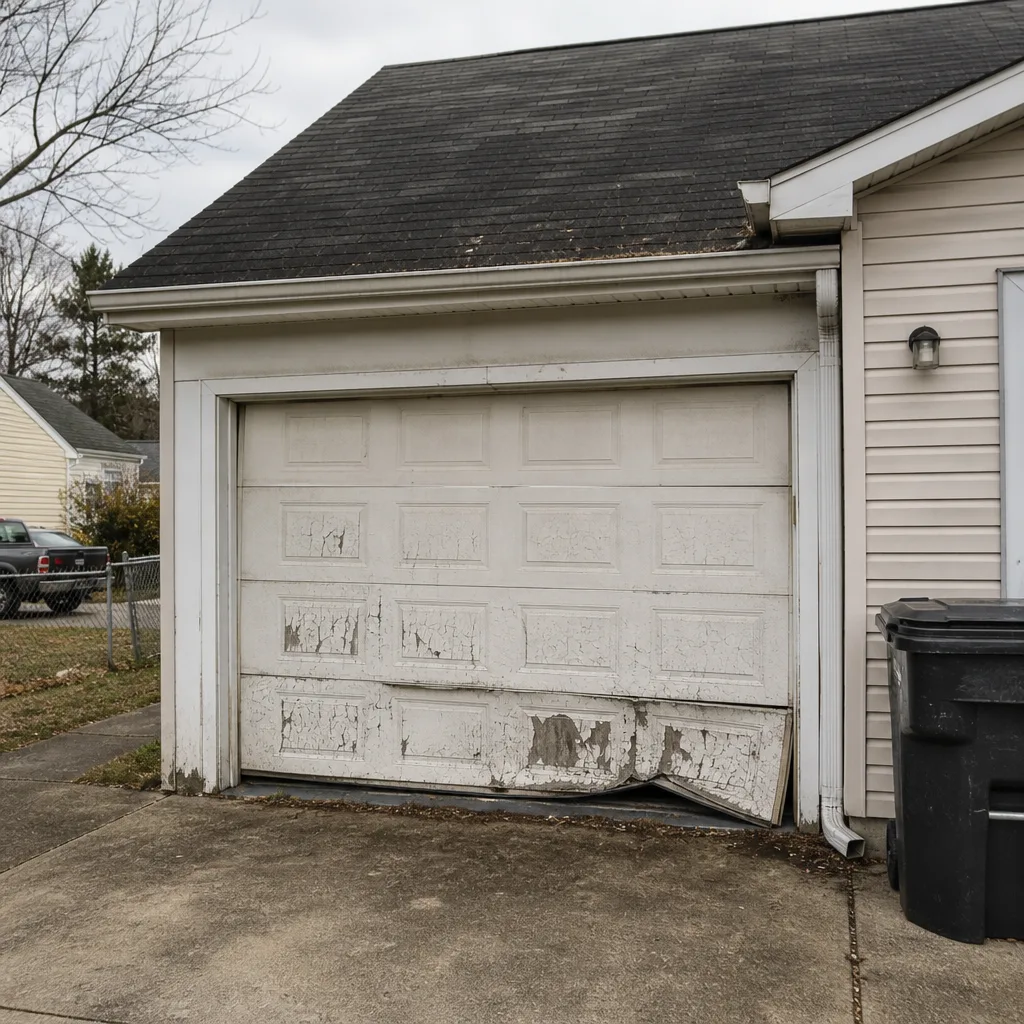
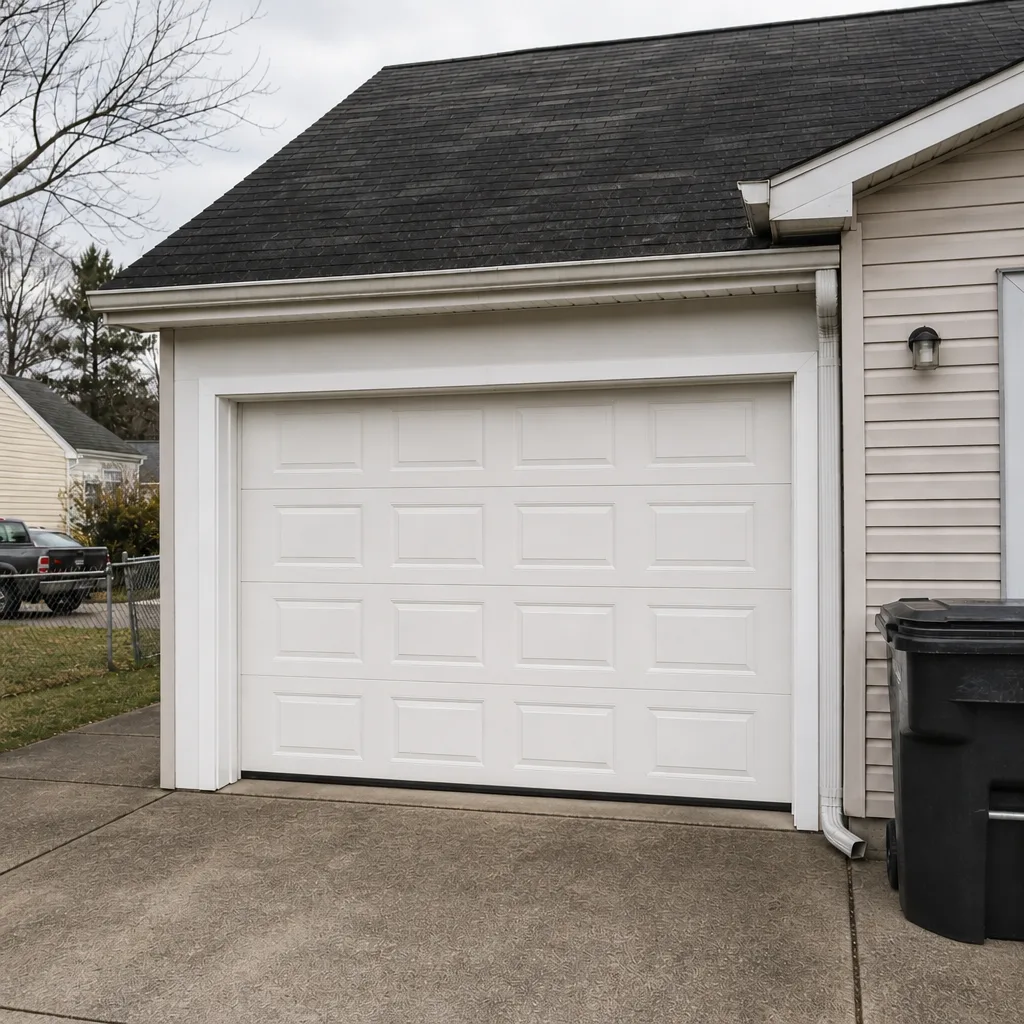
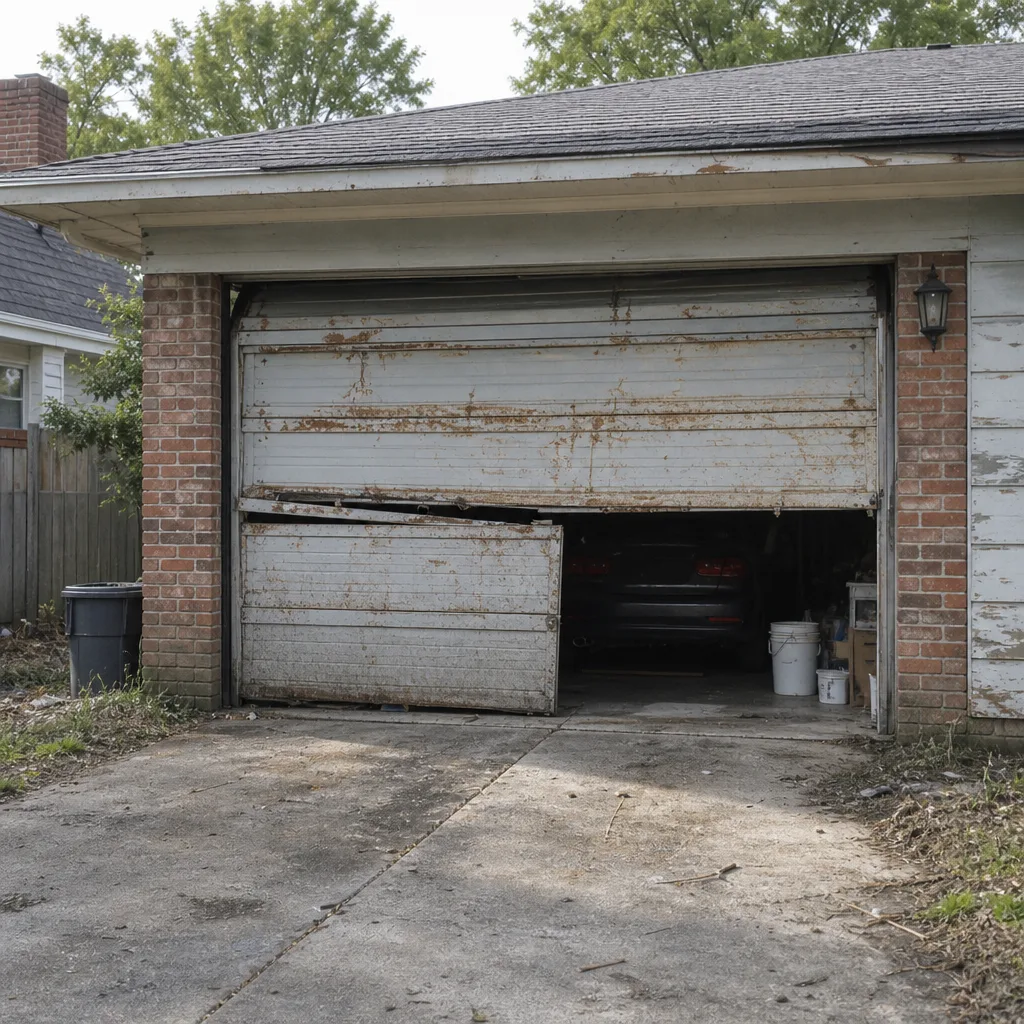
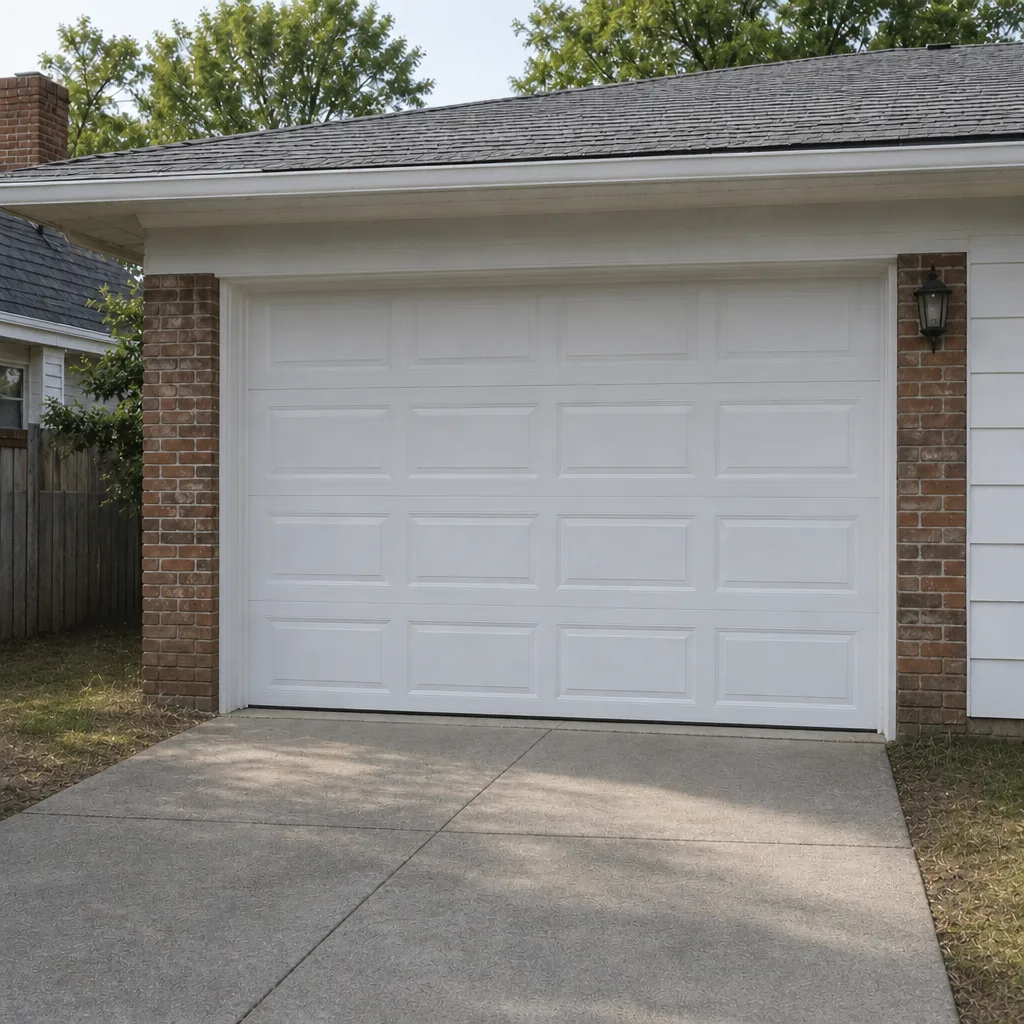
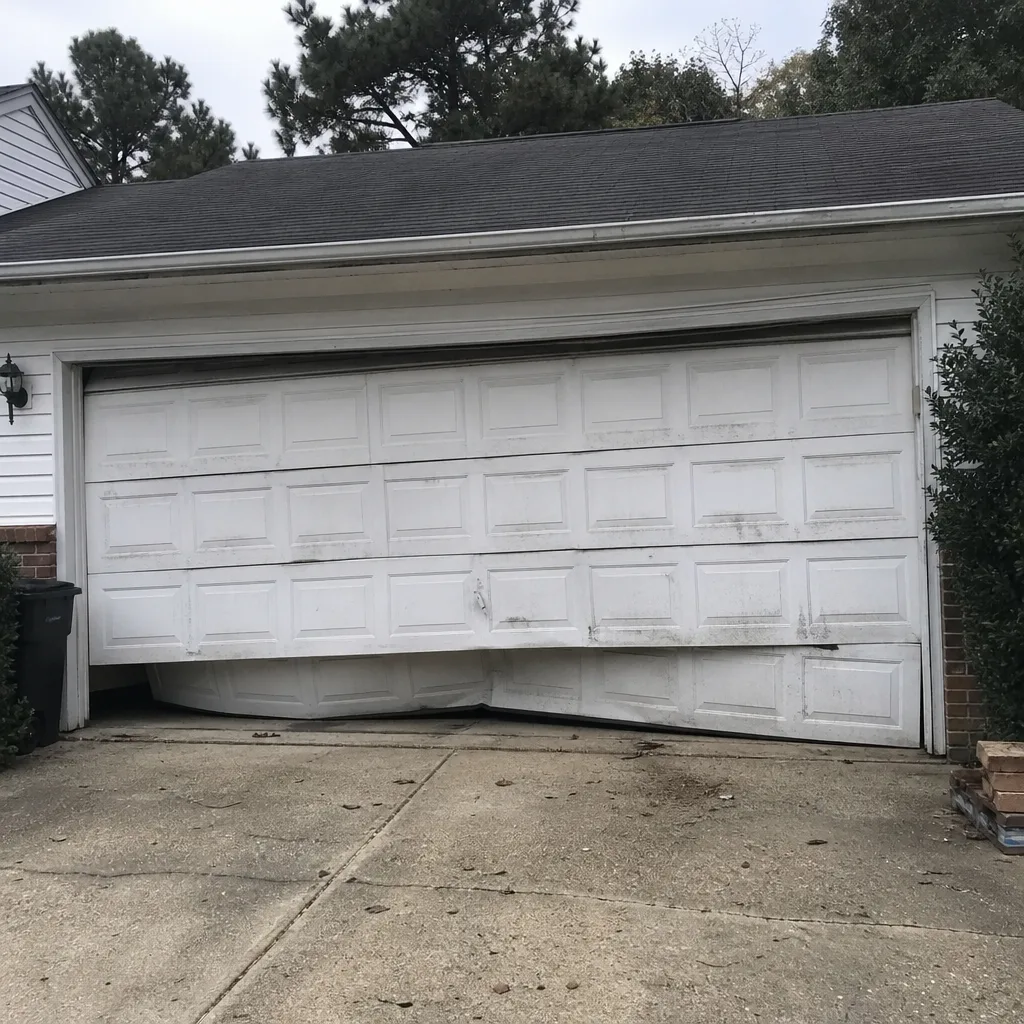
See the difference
 Before
 After
 Before
 After
 Before
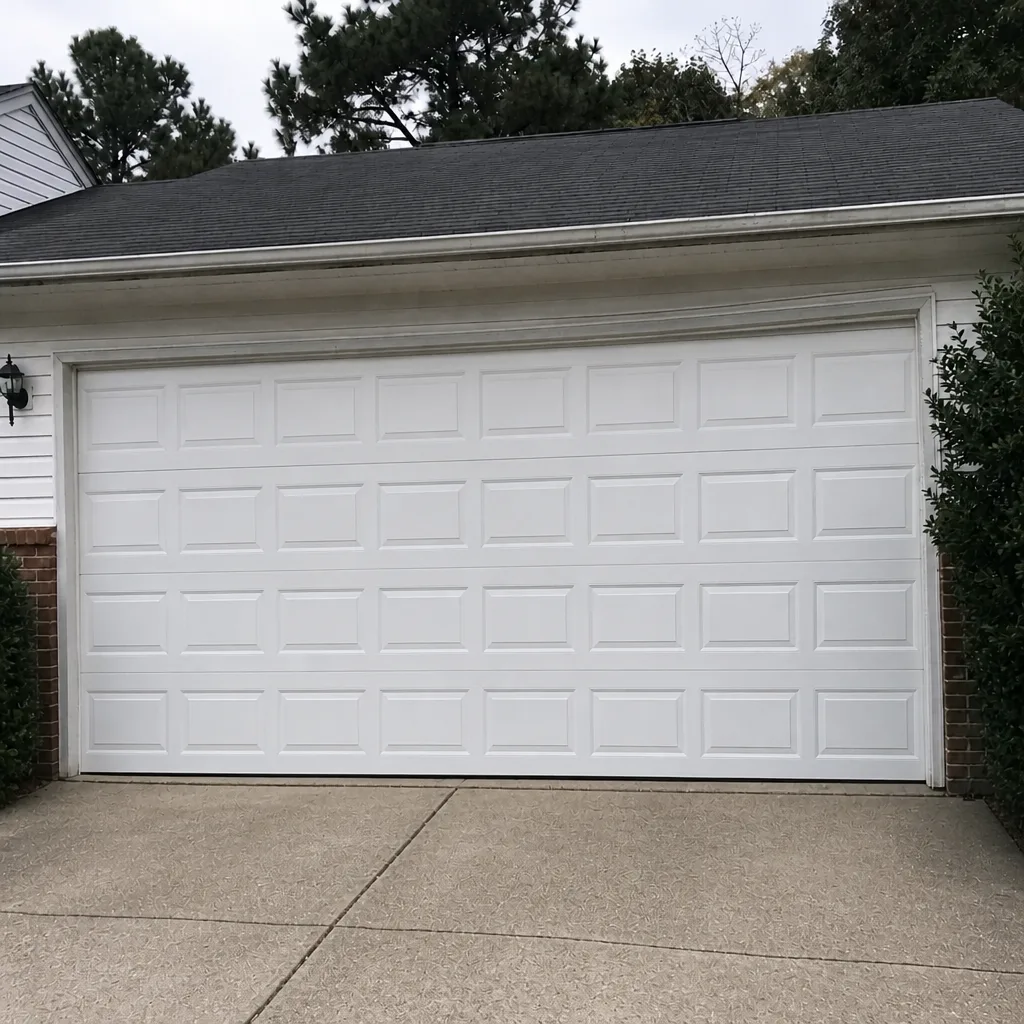 After
When to Call a Professional
Some garage door jobs are DIY-able. Others aren’t – and the ones that touch spring tension, structural framing, or opener electrical work are the ones where a professional saves you time, money, and a permit headache. If your door is off its track, the spring has snapped, or the opener has failed, don’t fight it alone. Our team handles garage door repair across Chesapeake and can tell you upfront whether your job is likely to require a permit, based on what we see in the field. We also install new doors and openers for homeowners who are doing a planned upgrade. Our technicians have up to 15 years of experience and are factory-familiar with the door brands you’re most likely to have in a Chesapeake home, including Amarr, Wayne Dalton, Craftsman, and Raynor. Chesapeake Garage Door Repair Co offers free estimates in Chesapeake – call (866) 476-9023.
Frequently Asked Questions
Usually not. A like-for-like replacement of a garage door – same size, same opening, no structural changes – is typically treated as maintenance and is exempt from permitting in Chesapeake. You need a permit only when the work changes the opening size, modifies the structural header, or involves new electrical work for an opener. If you’re unsure, call the City of Chesapeake’s Department of Development & Permits before work starts.
A permit-exempt swap replaces a door with one that matches the existing opening and doesn’t touch structural elements. A permitted alteration changes the opening geometry, modifies or replaces the header, or moves the door into a different structural configuration. Anything that alters the load path or the electrical service triggers a permit. Call (866) 476-9023 for an exact quote on your project – estimates are free.
It depends on the electrical work. If the new opener plugs into an existing outlet, no permit is typically needed. If it requires a new hardwired circuit, that electrical work almost always needs a permit and an inspection. Ask your electrician or installer before the work is scheduled.
The consequences show up later: challenges to an insurance claim if the door fails or causes injury, complications during a home sale in Virginia’s disclosure process, and potential remediation costs if the city requires the work to be retroactively permitted. In our experience, the permit cost is small compared to the resale and insurance problems that skipping it creates.
Call the City of Chesapeake Department of Development & Permits and ask for the permit history on the address. Confirm whether a final inspection was passed, and cross-check any door installation invoice against the certification label on the door itself. This is a cheap, fast check that catches a lot of problems before closing.
Yes: structural framing at the header, proper attachment of the door and track, safety reversal and photo-eye function on automatic openers, and manufacturer labeling that matches the permit documents. Electrical connections are inspected separately if a new circuit was run. If your door or opener is older than the code cycle currently in force, expect the inspector to look at it under current requirements.
The Bottom Line
Most garage door replacements in Chesapeake don’t need a permit, and the cost of getting one when you don’t need it is real. But the exceptions – changing the opening size, cutting the structural header, hardwiring a new opener circuit, converting a garage into living space – are the ones that affect your insurance, your resale, and your safety. The Virginia USBC provides consistent rules statewide; Chesapeake enforces them through its own Department of Development & Permits. If you’re unsure which side of the line your project lands on, call the city before you sign a contract. And if you need a repair, a new opener, or a full new door installed, call us at (866) 476-9023 for a free estimate. Our Chesapeake team works with the door brands you actually have, from Amarr to Wayne Dalton, and we’ll tell you straight whether your project is likely to need a permit.
We handle the whole range of garage door work across Chesapeake – garage door opener repair, spring replacement, panel repair, and garage door installation. Our technicians have up to 15 years of experience and are factory-familiar with LiftMaster, Chamberlain, Genie, Clopay, Amarr, Wayne Dalton, Craftsman, and Raynor systems, so they know what your specific hardware needs. If you’re comparing options for your Chesapeake home, a free estimate is the fastest way to know what you’re looking at.
Written by the team at Chesapeake Garage Door Repair Co.