Last updated November 21, 2026
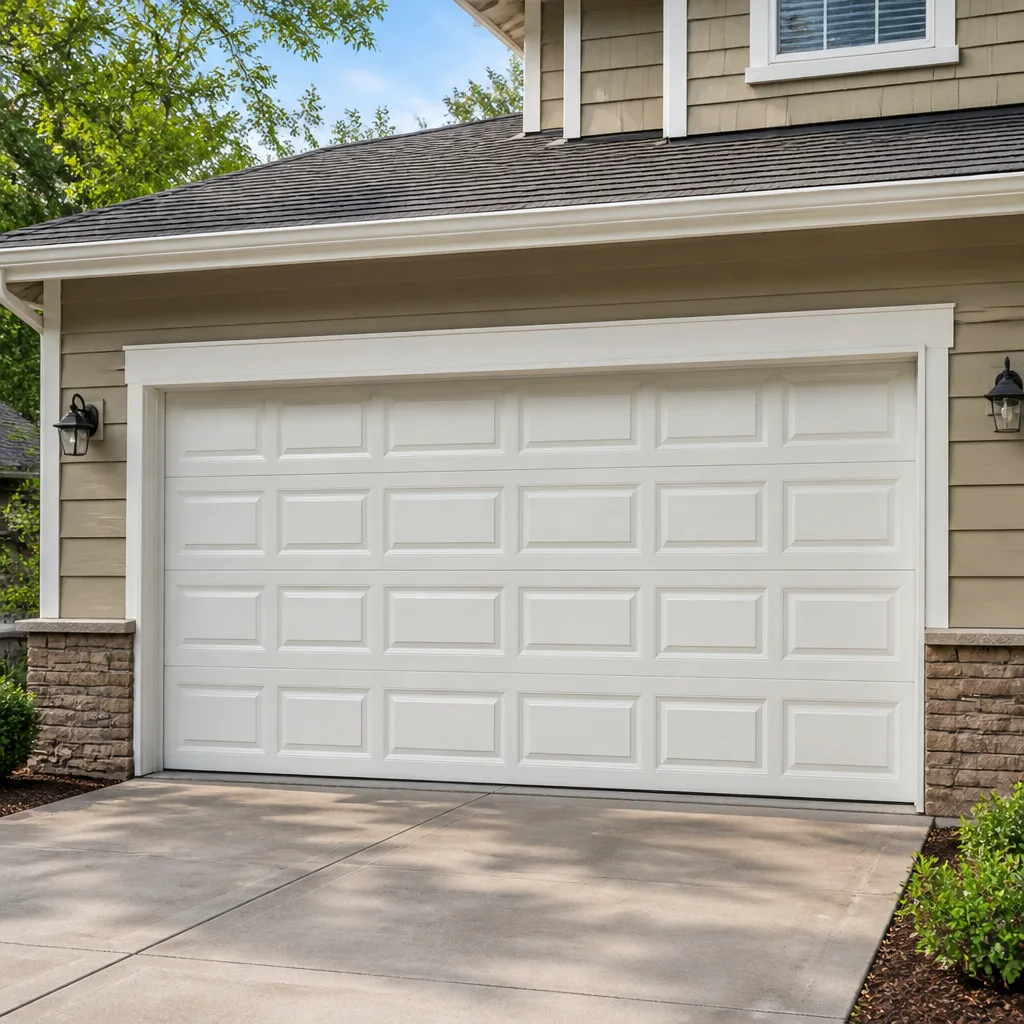 Raised-panel steel
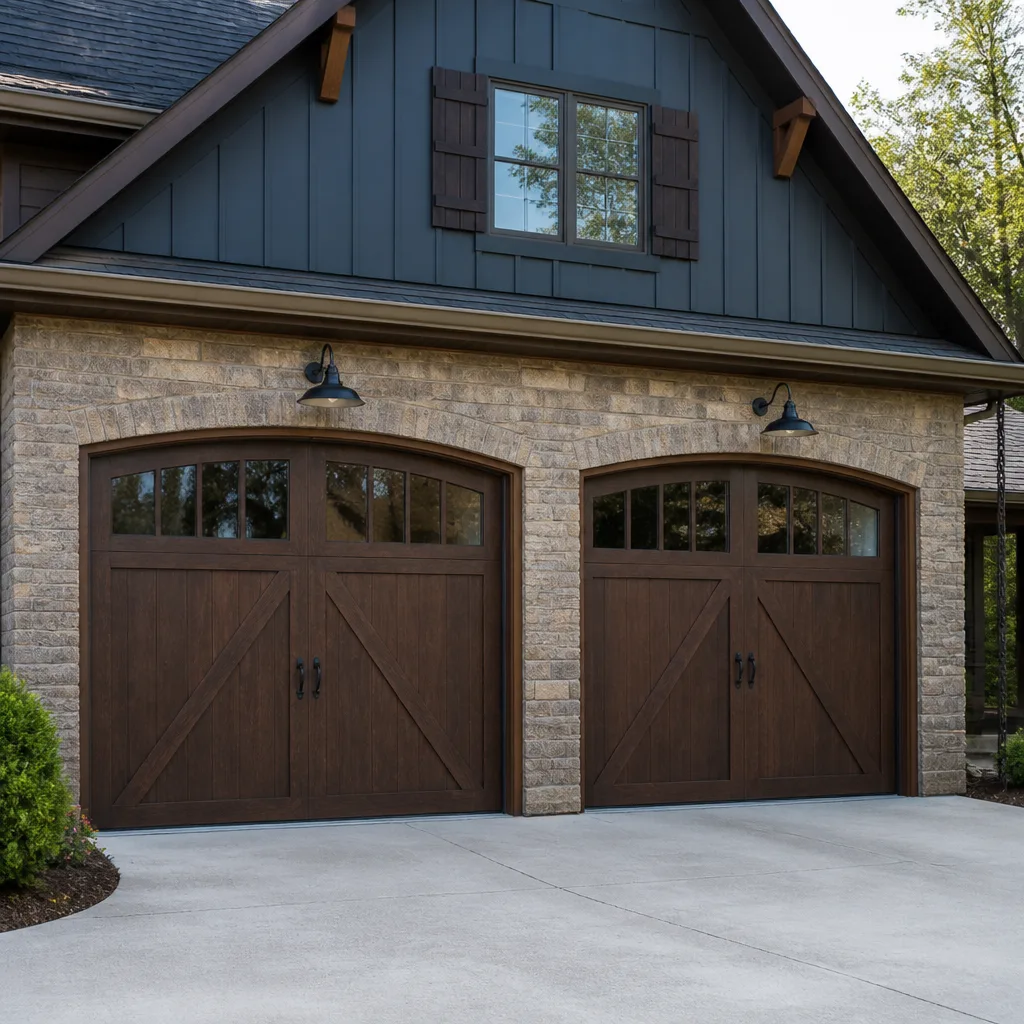 Carriage house
 Modern flush
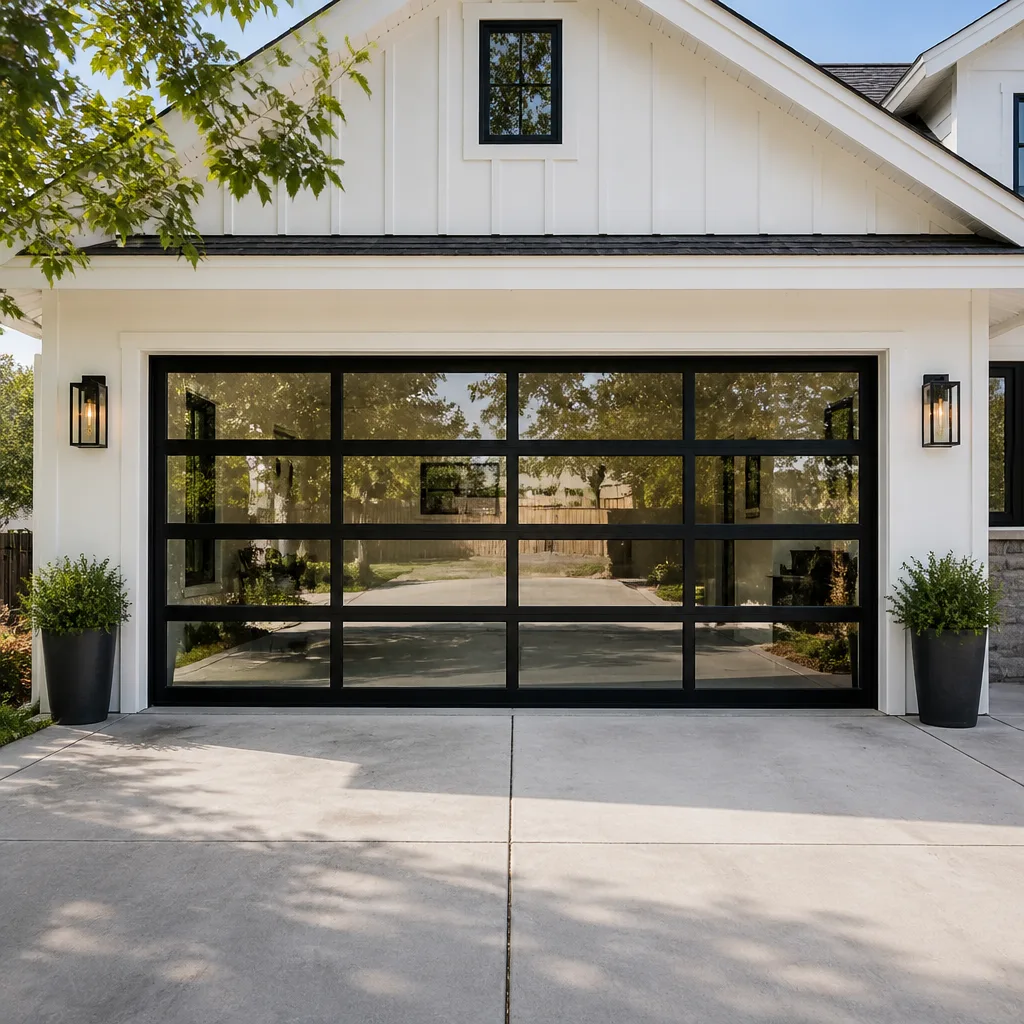 Full-view glass
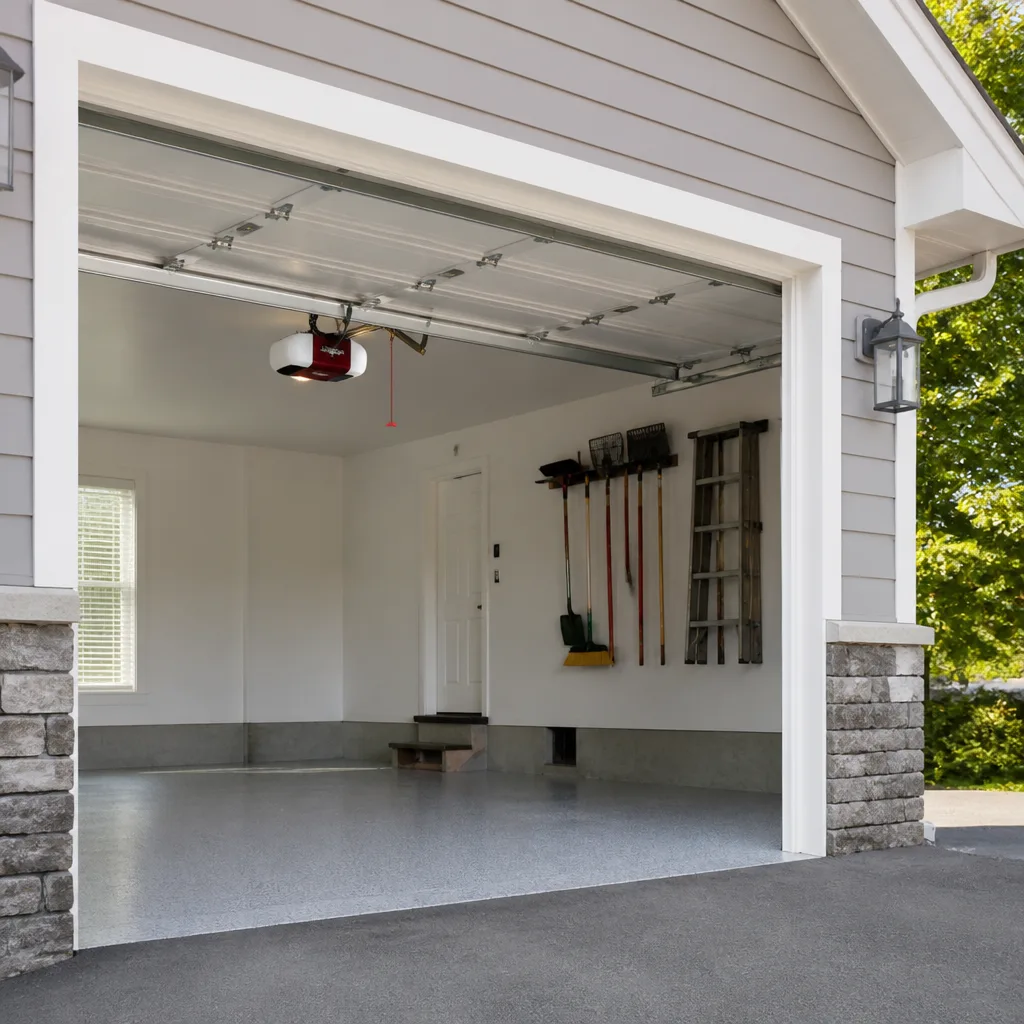 LiftMaster openers
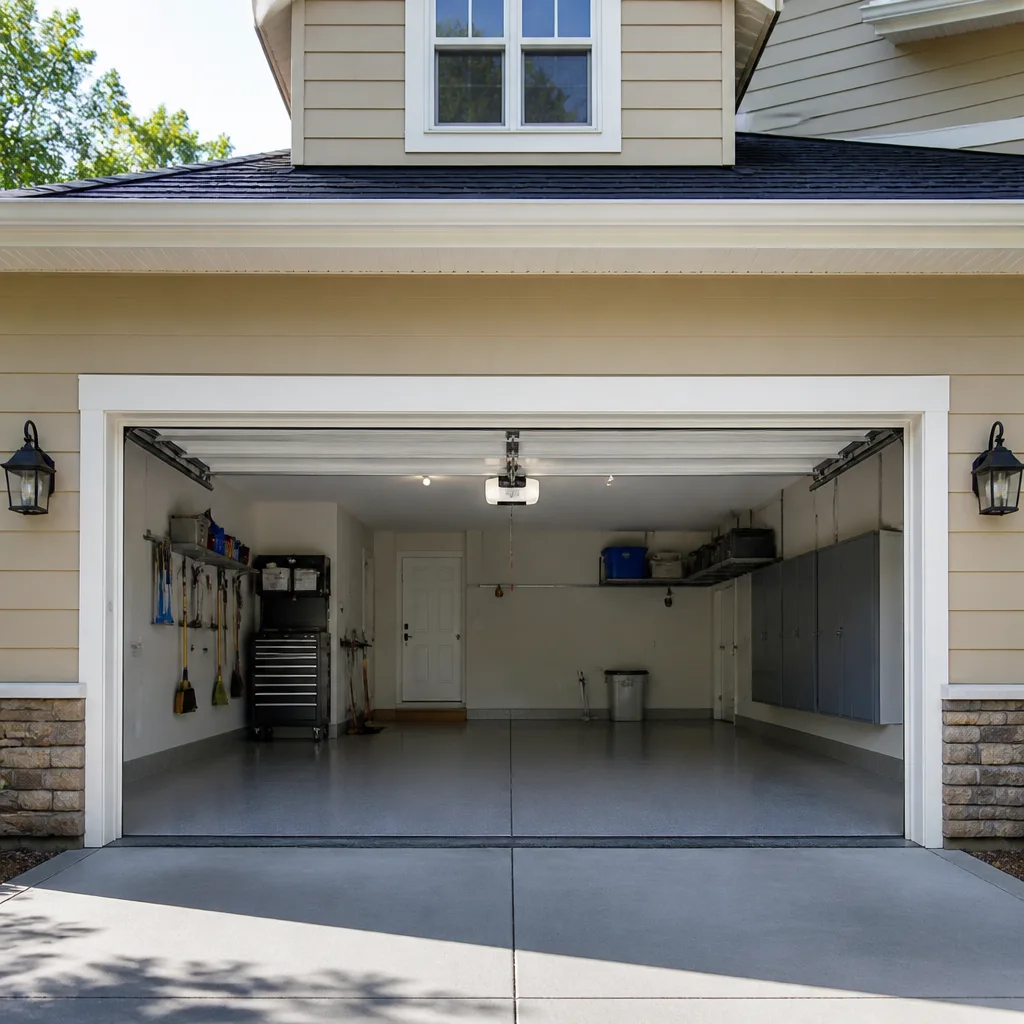 Chamberlain openers
Full 25-point door and opener safety check with every visit - springs, cables, rollers, tracks, and your LiftMaster or Chamberlain opener included
You get a price before we start. It does not change when the pro arrives.
Get your free estimateGarage Door Emergency Preparedness Guide for Chesapeake Homes
Most homeowners treat a garage door like a refrigerator: it works until it doesn’t, and only then do they think about it. The trouble is that a garage door is the largest moving object in your home, and it’s also the one piece of equipment that has to hold up during the worst weather Chesapeake throws at it. Nor’easters, tropical systems, and the occasional hard freeze don’t schedule themselves around a service appointment. The homeowners who come through a storm with minimal damage usually aren’t the ones who called first. They’re the ones who did a few simple things before the storm arrived. This guide walks through the emergency profile that’s specific to Chesapeake homes, and prepares you to handle the most likely garage door failures before they turn into a panic at 11 PM.
Quick Answer
A garage door emergency in Chesapeake usually comes from one of four things: a broken spring, a door knocked off its track, a dead opener during a power outage, or storm damage from a nor’easter or tropical system. The smartest preparation is to learn how to release your opener manually, know where your springs are, note your door’s brand and model, and have a garage door company’s number saved before you need it. If your door is stuck right now, call (866) 476-9023 for emergency garage door service and free estimates.
Styles & brands we work with
- Raised-panel steel
- Carriage house
- Modern flush
- Full-view glass
- LiftMaster openers
- Chamberlain openers
Table of Contents
- Pre-Storm Protocol for Chesapeake Homeowners
- How to Operate Your Garage Door Manually During a Power Outage
- What to Do When a Spring Breaks at Night
- Wind Load Ratings and What They Mean for Chesapeake’s Wind Zone
- Winter Freeze Prep: What a Hard Freeze Does to Garage Door Hardware
- Emergency Contact Preparation: What to Have Ready Before You Call
- Why Your Door’s Brand Matters in an Emergency
Pre-Storm Protocol for Chesapeake Homeowners
When a named storm or nor’easter is heading toward Chesapeake, the 24 hours before it makes landfall matter more than the response afterward. Every garage door company in Chesapeake gets slammed with calls the moment the wind starts. The homeowners who do best are the ones who prepared in advance, not the ones who called fastest.
Here’s a simple pre-storm checklist that works for nearly every residential garage door.
- Test the auto-reverse safety feature. Place a roll of paper towels or a 2×4 flat on the ground under the door and close it. If the door doesn’t reverse when it hits the obstruction, the safety system needs attention before the storm. Don’t rely on a door that won’t reverse safely in high wind.
- Disconnect the opener and operate the door by hand once. This confirms the door is balanced and that the manual release actually works. If the door is heavy or binds, that’s telling you something needs service before you rely on it in an outage.
- Lubricate the hinges, rollers, and tracks. A garage door that operates smoothly has less chance of binding when wind puts pressure on it. Skip anything that will attract dirt; a light application on the moving points is enough.
- Trim vegetation and clear the door’s path. Limbs, loose gutters, and stored items near the door can become projectiles during a storm. A garage door that’s already dented or stressed from impact is more likely to fail under wind pressure.
- Check the weather seal at the bottom. A worn seal lets wind-driven rain under the door. In Chesapeake, where tropical systems can dump inches of rain in a short window, that’s a real source of water damage inside the garage.
- Photograph the door and note the brand and model. If damage happens, having this ready makes the insurance conversation and the repair quote much faster.
None of this replaces professional service, but a few minutes of preparation can prevent the kind of damage that turns into a full replacement.
How to Operate Your Garage Door Manually During a Power Outage
Almost every garage door opener has a manual release, and almost nobody has practiced using it. The release cord is the emergency tool that lets you open your garage door by hand when the power is out, and knowing how to use it before an outage is one of the highest-value pieces of garage door knowledge a homeowner can have.
Here’s what you need to know about the disconnect cord procedure.
- Locate the release cord. It usually hangs from the trolley or carriage near the center of the door, on the rail that runs from the opener motor to the door itself. On most openers made by LiftMaster, Chamberlain, or Genie, it’s a short rope with a T-handle.
- Pull the cord straight down and toward the door. You should feel and hear the trolley disengage from the door’s carriage. The door is now disconnected from the opener and can move freely by hand.
- Lift the door by the bottom panel with both hands, using your legs. This is a two-hand operation. A properly balanced door should lift relatively easily; a heavy door is a warning sign that the springs are tired or the door is out of balance.
- Prop or secure the door if you need to leave it partially open. Don’t leave the door in an unstable position, especially during high wind.
- To reconnect, close the door fully, then pull the cord again or run the opener until the trolley re-engages with a short pulse. The exact re-engagement process varies by brand, so check your opener’s manual – the instruction for a Chamberlain is not always the same as for a Genie.
A safety note here: this procedure disconnects the opener from the door. It does not make the spring system safe to touch. The springs above your door hold hundreds of pounds of tension, and touching them, especially a torsion spring over the door, can cause serious injury. Always leave spring and cable work to a trained technician.
What to Do When a Spring Breaks at Night
A spring snapping usually announces itself with a bang that sounds like a gunshot in the garage. If this happens at night, the first instinct is to try to open the door so you can get the car out. Resist that instinct. A door with a broken spring is extremely heavy, and most people can’t safely lift it by hand. More importantly, trying to force it can bend the panels, snap a cable, or pull the door off its track.
Here’s what to do in order when a spring breaks at night:
- Stop using the door. Don’t press the opener remote. Don’t try to open the door by hand. A door that’s half-open on broken springs can come down hard.
- Secure the door. If the door is fully closed, leave it closed and locked. If it’s partially open, don’t try to lower it yourself unless you can do so safely with another adult; call for help. If the door is off its track, stay clear.
- Look for cable slack. If a cable is visibly slack or hanging, that means the door’s lifting system has lost tension. Keep everyone away from it, and don’t touch the cable.
- Note what you see and hear. Which spring broke – torsion (the horizontal spring over the door) or extension (the springs that run alongside the track)? What did it sound like? Was the door moving at the time? This information speeds up diagnosis when you call.
- Call for service. Spring repair is a job most general handymen won’t touch, and for good reason. It’s a high-tension repair that requires the right tools and training. We do this work on Chesapeake doors, and we can quote you a price before the technician arrives.
Don’t make the damage worse by trying to lift the door, unwind a spring, or cut a cable. Leave it alone until a technician arrives.
Wind Load Ratings and What They Mean for Chesapeake’s Wind Zone
A garage door is a big, flat, rigid surface attached to your house. Under high wind, it becomes a sail. Wind load rating is the engineering term for how much wind pressure a door is designed to withstand, and it matters a great deal for homes in Chesapeake’s storm-exposed region.
Two ratings come up in door selection: the door’s design pressure rating (which tells you how the door performs under a given wind pressure) and its reinforcement requirements. A door with a high wind load rating is reinforced with heavier struts, deeper panels, or additional bracing so it doesn’t bow, buckle, or blow out of the opening under pressure.
Here’s the practical picture for Chesapeake homeowners:
- A standard, lighter residential door may be fine on a sheltered garage but can flex under a strong nor’easter, and once a door flexes enough to leave its track, it’s a repair or replacement.
- A reinforced, wind-rated door is engineered for the area’s wind exposure, with thicker gauge steel, additional struts, and higher-rated hardware. It’s the safer choice for garages that face open exposure.
- The door’s brand and model matter. Manufacturers including Clopay and Amarr offer wind-rated options across their lines; the reinforcement package is usually specified by the model and installation. Knowing what you have is the starting point.
- Old doors often don’t have a wind rating at all. If your door predates modern rating standards and faces the prevailing wind, it’s worth asking a technician whether it needs reinforcement or replacement.
Wind ratings are a technical spec, so if you’re unsure what your door is rated for, ask a technician to assess it. That’s a small step that can prevent a much bigger problem when the next storm arrives.
Winter Freeze Prep: What a Hard Freeze Does to Garage Door Hardware
Chesapeake winters are mild most years, but the occasional hard freeze still finds plenty of door hardware that wasn’t ready for it. Water gets into places it shouldn’t – the bottom seal, the tracks, the hinges – and when it freezes, it expands. That’s when you get a door that grinds, sticks, or won’t close fully.
A few winter prep steps go a long way:
- Check the bottom seal. A cracked or stiff seal lets water in and holds it against the threshold. Replace it if it’s brittle.
- Clear the channel of the tracks. Debris that freezes into the tracks binds the rollers.
- Lubricate moving points before the first freeze, not after. A door that closes smoothly before the cold arrives handles the freeze better.
- Watch the opener. Cold temperatures can make an older opener’s motor work harder; if the door feels slow or the opener strains, it’s a signal to have someone look at it before the motor burns out. A call about garage door opener repair before the cold snap beats an emergency call in the middle of one.
Emergency Contact Preparation: What to Have Ready Before You Call
The single best thing you can do to shorten an emergency is to have the right information ready before you call. When you call a garage door company in Chesapeake during an emergency, the person on the other end needs a few key facts to diagnose the problem, quote the work, and make sure the technician shows up with the right parts on the first trip.
Here’s what to have ready:
- The door’s brand and model. Whether it’s a Raynor, a LiftMaster, a Chamberlain, or another brand, knowing what you have helps the technician match springs, hardware, and opener components.
- Whether the opener is working. If the opener lights up and the motor runs but the door doesn’t move, that’s a different problem than a door that won’t respond at all.
- What exactly happened. Describe what you saw or heard: a bang, a snap, a grinding, a door that came off its track, or a door that reversed immediately on closing.
- Whether the door is fully closed or stuck open. This tells the technician whether you have a security risk or a weather exposure problem, and helps them prioritize.
- The garage door’s age, or the home’s approximate age if the door was original. Age gives a clue to the door’s overall condition.
- Whether the spring is torsion or extension. Torsion springs mount above the door and run side to side; extension springs run alongside the tracks. Knowing which you have helps with parts prep.
Have this information ready, plus the make and model of the opener if you can find it, and you’ll make the first trip count.
Why Your Door’s Brand Matters in an Emergency
Not every garage door company is familiar with your specific hardware. A technician who only knows one or two brands can spend an emergency visit trying to work out how your system is put together, when they should be solving the problem. That’s a real cost in time and money, especially in the middle of a storm.
Chesapeake Garage Door Repair Co is factory-familiar with 8 of the most common residential garage door brands, including Raynor, LiftMaster, Chamberlain, and Genie. That familiarity matters because the details between brands drive both diagnosis and parts. A Genie opener’s manual release and a Chamberlain’s are similar enough to get confused about, but not the same. A Raynor door’s torsion system is set up slightly differently than another brand’s. Knowing those distinctions means the technician can bring the right springs, brackets, and opener components the first time.
It also means the technician can tell you when a repair is the right call versus when a failing door is better replaced. We do the whole job – garage door repair, opener service, spring replacement, and garage door installation – without handing you off to a subcontractor. That’s a different experience than calling a general handyman who takes one look at a high-tension spring and declines the job. Our technicians have up to 15 years of experience, and spring work is one of the things we do well.
If your door is in a state you’d rather not be in, Chesapeake Garage Door Repair Co can take a look. We’re not a franchise with rotating technician pools; the people who answer your call are accountable for the work.
Common Mistakes to Avoid
- Trying to open a door with a broken spring by hand. It’s dangerously heavy, and forcing it can bend the panels or snap a cable. Leave it closed until a technician arrives.
- Cutting or removing a spring cable yourself. Cables are under extreme tension. This is not a do-it-yourself job, and trying it can cause serious injury.
- Ignoring a door that won’t auto-reverse. The safety reversal system exists for a reason. Getting it fixed before a storm matters more than the small repair cost.
- Calling a general handyman for spring work. Most general handymen decline high-tension spring repair, and the ones who don’t may not have the right tools. Use a company that does spring work routinely.
- Not knowing your door’s brand during an emergency call. A quick look at the label or paperwork before the emergency saves time and helps the technician come prepared.
- Waiting until the storm is on the radar to call. Every garage door company in Chesapeake is busy when a named storm is approaching. Do your prep early.
- Assuming a door that’s still working is safe. A door can be one worn spring away from a failure. Have it checked if it’s older or you don’t know its history.
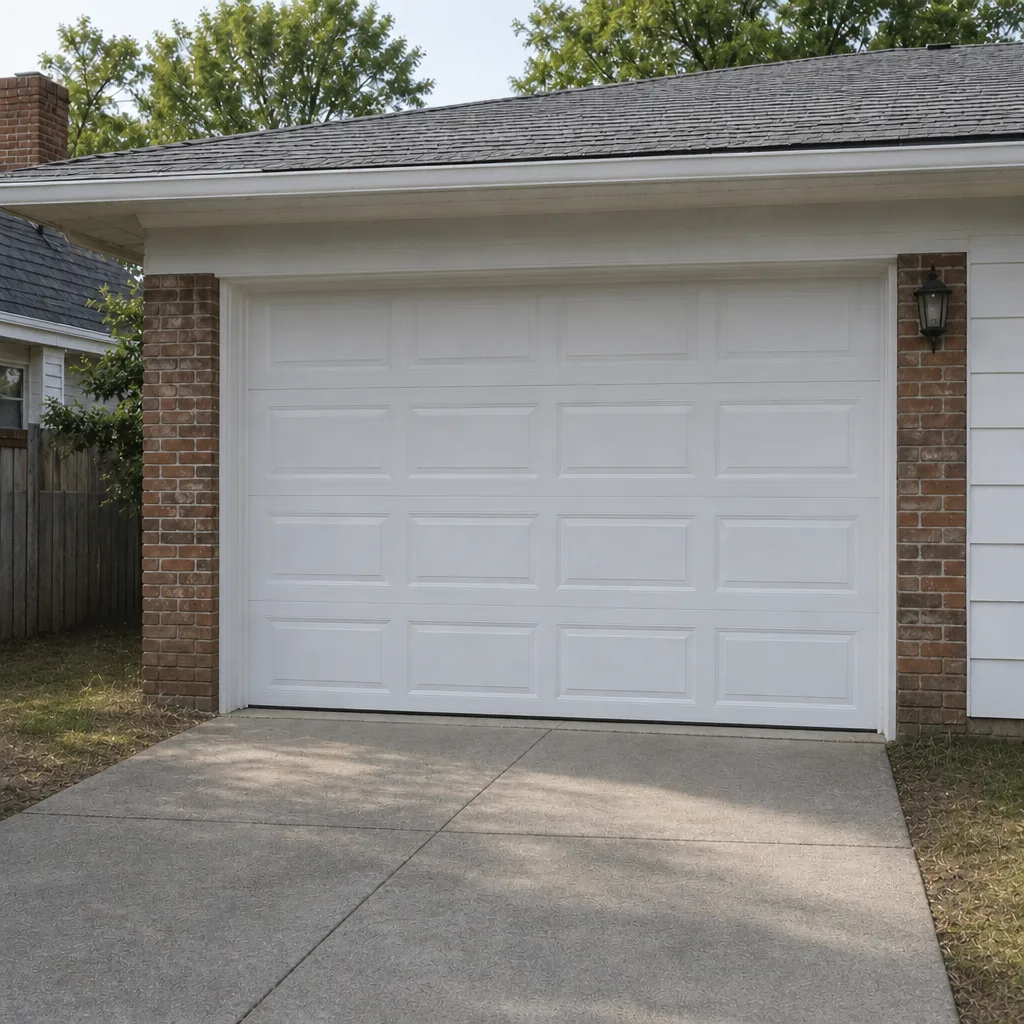
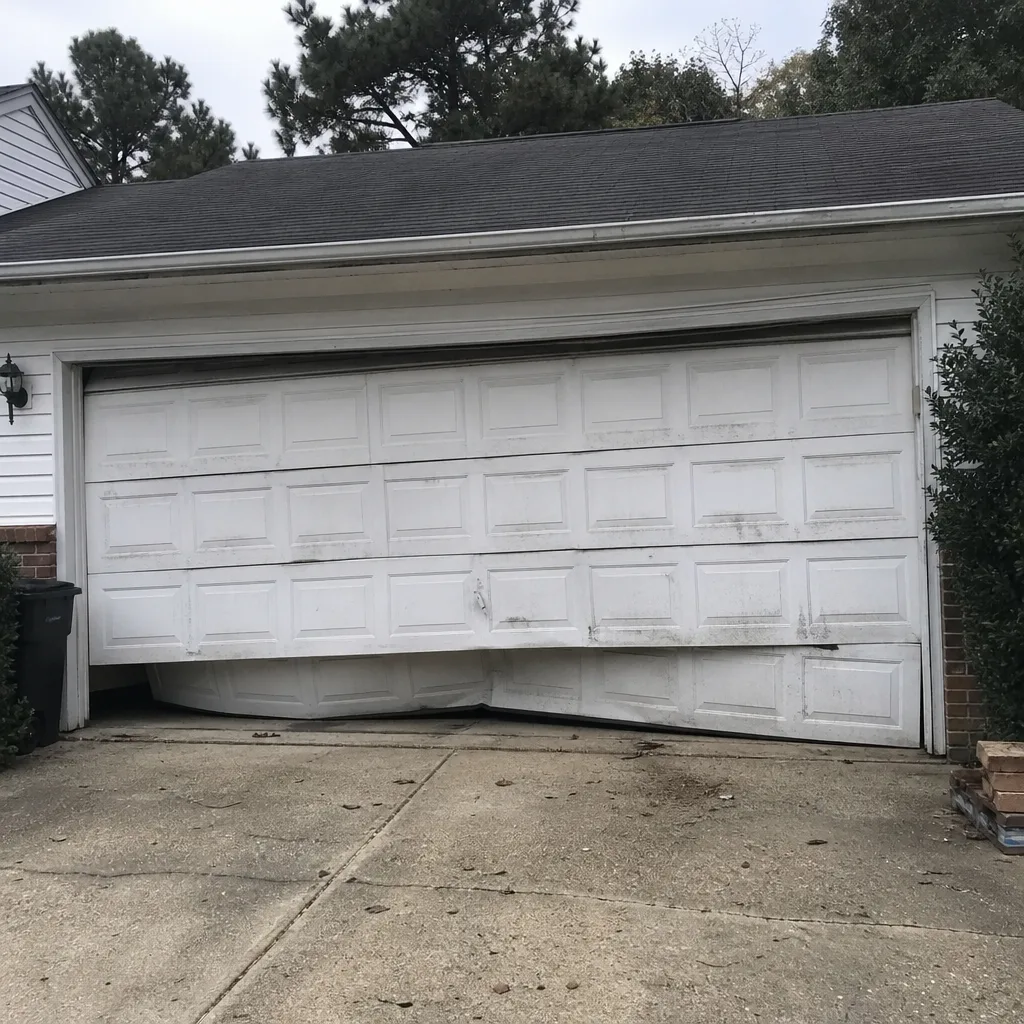
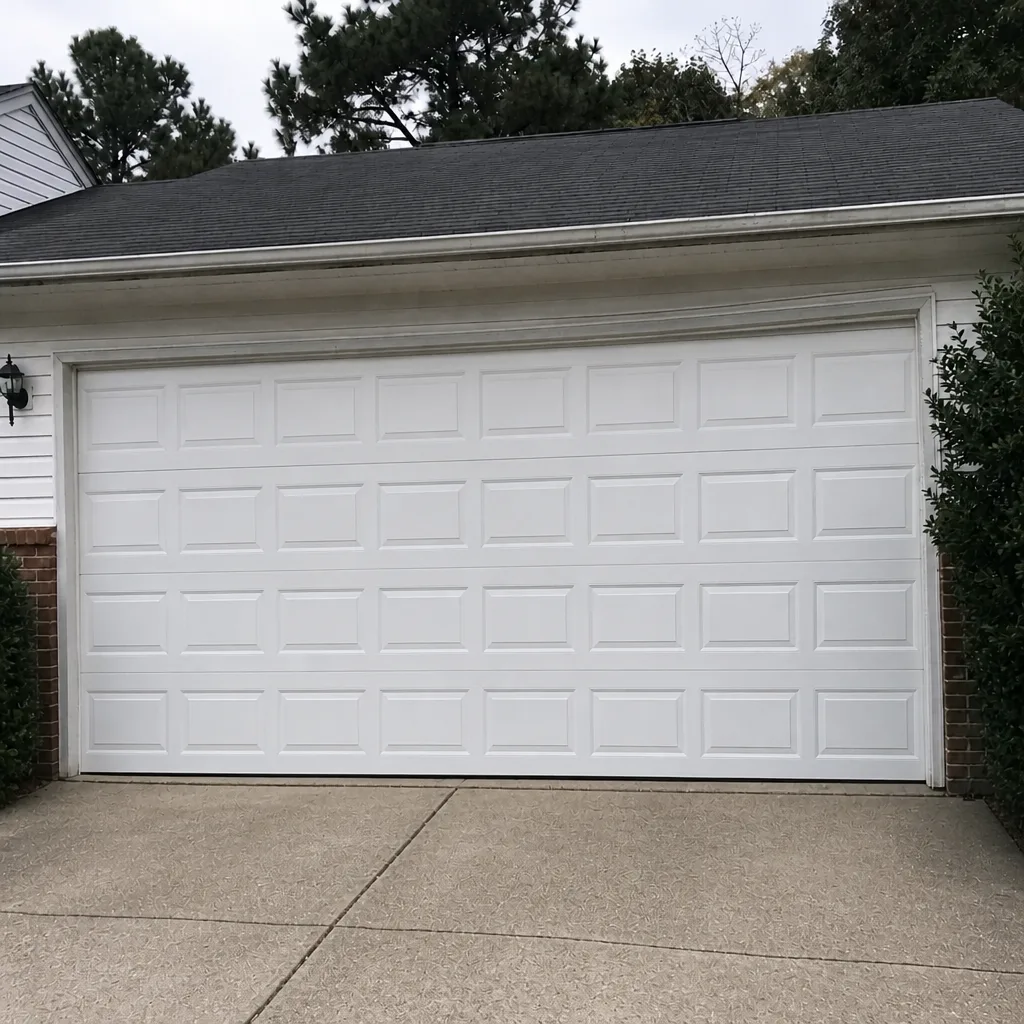
See the difference
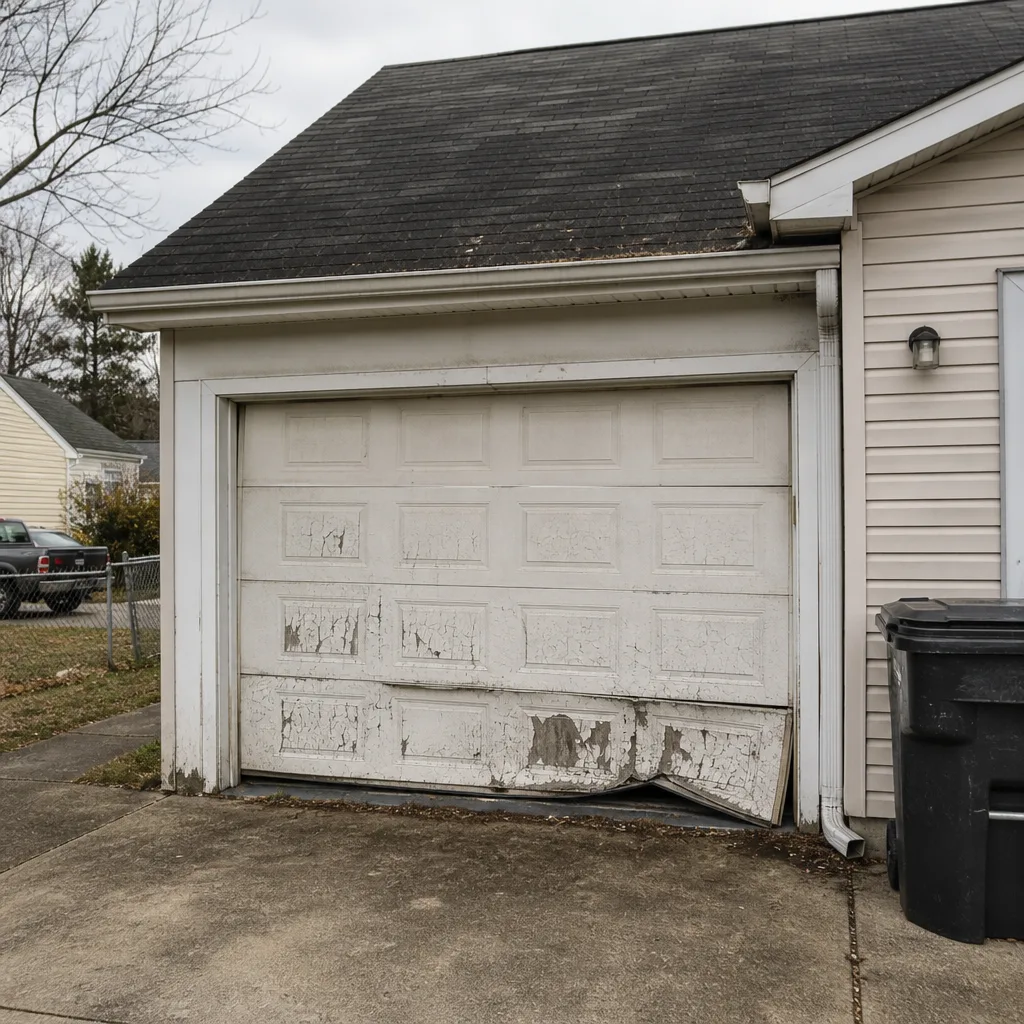 Before
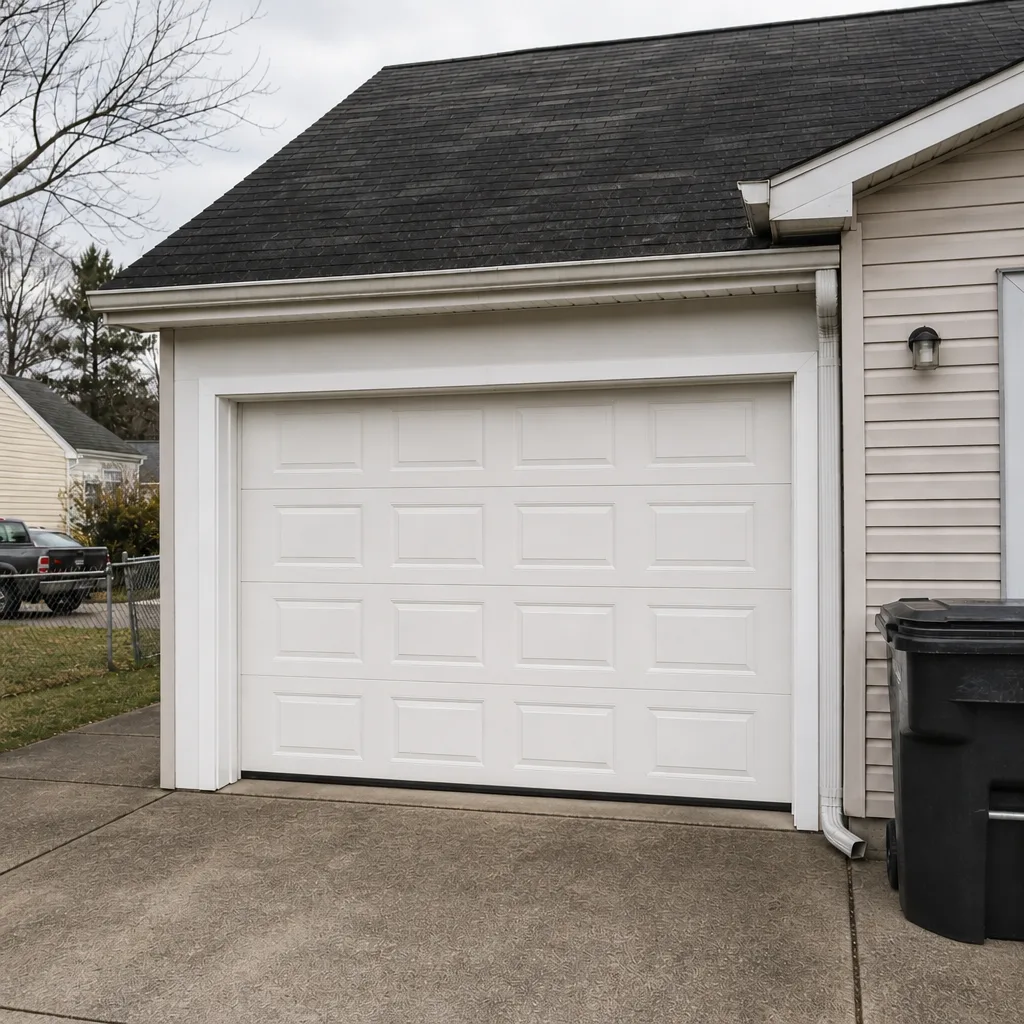 After
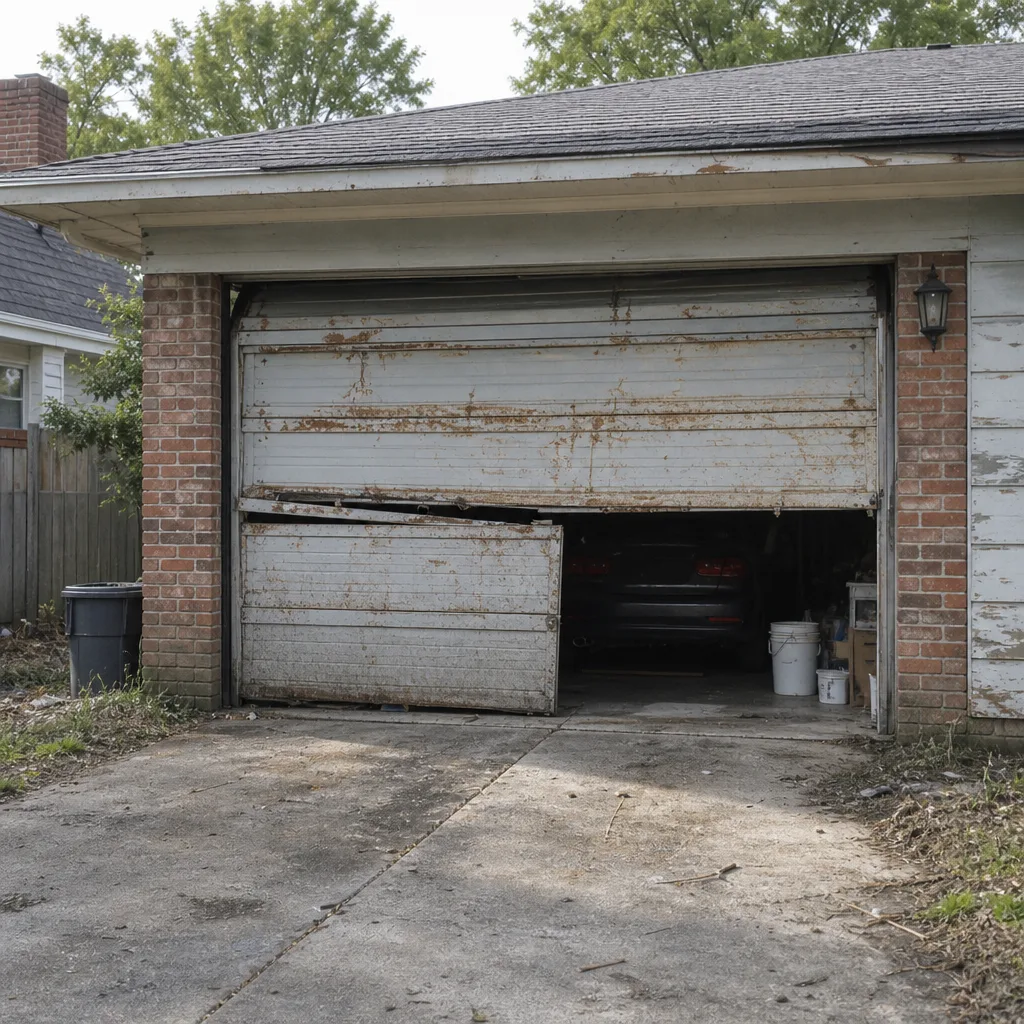 Before
 After
 Before
 After
When to Call a Professional
Some garage door issues are clearly a call for a technician: a broken spring, a door off its track, a cable that’s snapped or slack, or an opener that runs but doesn’t move the door. Others are more subtle – a door that’s gotten harder to lift, one that reverses on its own, or an opener that sounds strained. Call a professional whenever the issue involves springs, cables, or the door’s balance, and get it looked at rather than waiting for it to fail at the worst possible moment. Chesapeake Garage Door Repair Co offers free estimates in Chesapeake – call (866) 476-9023 to talk it through and get a written quote before any work starts.
Frequently Asked Questions
Yes, once you’ve released the opener’s manual release cord. The cord hangs from the trolley near the center of the door, and pulling it disengages the opener so the door can move by hand. Then lift the door with both hands, using your legs. If the door feels too heavy to lift comfortably, that’s a sign the springs need service, and you should call a technician rather than forcing it.
Stop using the door and don’t try to open it by hand. A door with a broken spring is dangerously heavy, and forcing it can bend the panels or snap a cable. Leave the door closed and secure, keep anyone from touching the spring or cable, note what you saw and heard, and call a garage door company for emergency service. Call (866) 476-9023 and we’ll get a technician moving.
Check the door’s label or the paperwork from the manufacturer or installer. Wind-rated doors typically have reinforcement – additional struts, heavier panels, or rated hardware – that’s visible on inspection. If you can’t find a rating or you’re not sure, a technician can assess your door and tell you whether it needs reinforcement or replacement.
A door comes off its track when wind pressure flexes it beyond what the tracks and rollers can hold, or when a hinge, roller, or cable fails. Doors that aren’t reinforced for wind are more prone to this, and so are doors with worn hardware. If the door is off the track, don’t try to force it back – call for service. Trying to realign a door by hand can make the damage worse.
We work on 8 of the most common residential brands, including LiftMaster, Chamberlain, Genie, Clopay, Amarr, Wayne Dalton, Craftsman, and Raynor. That means we’re familiar with the quirks of your specific hardware, not garage doors in general. If you’re not sure of the brand, we can usually identify it during the first visit.
Price depends on the job – a spring repair, a door off its track, or an opener failure all cost differently, and the quote depends on your door’s brand and condition. We give you a price before any work starts, and the written estimate is the final number. Call (866) 476-9023 for a free estimate.
The Bottom Line
Garage door emergencies in Chesapeake follow a fairly predictable pattern: storms, freezes, and hardware that fails when stressed. The homeowners who come out of these events with minimal damage are the ones who prepared. Learn how to use your manual release. Know your door’s brand and model. Check the auto-reverse before a storm. Treat broken springs and cables as off-limits. Keep a garage door company’s number handy before you need it. Those few steps do more than any reactive call ever will. If your door needs service or you want a free estimate, call Chesapeake Garage Door Repair Co at (866) 476-9023.
Written by the team at Chesapeake Garage Door Repair Co.