Last updated November 21, 2026
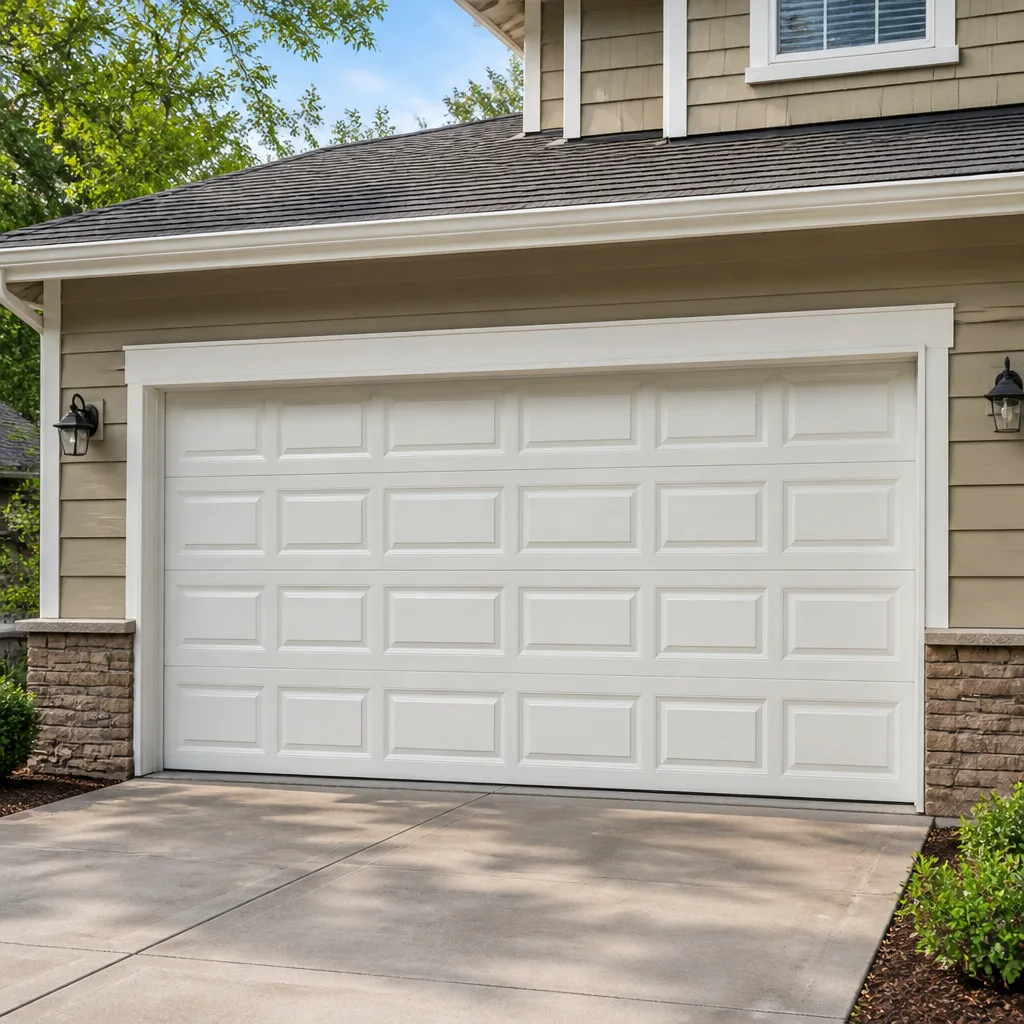 Raised-panel steel
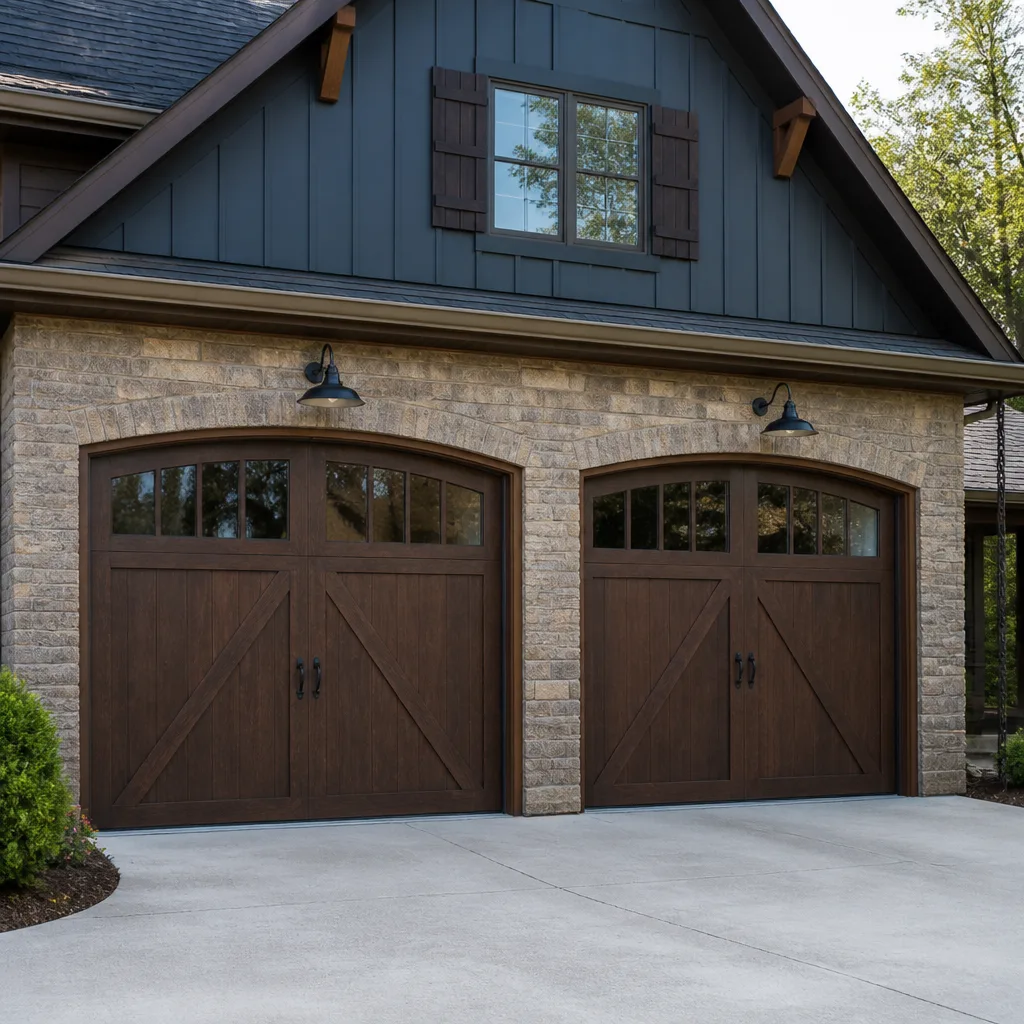 Carriage house
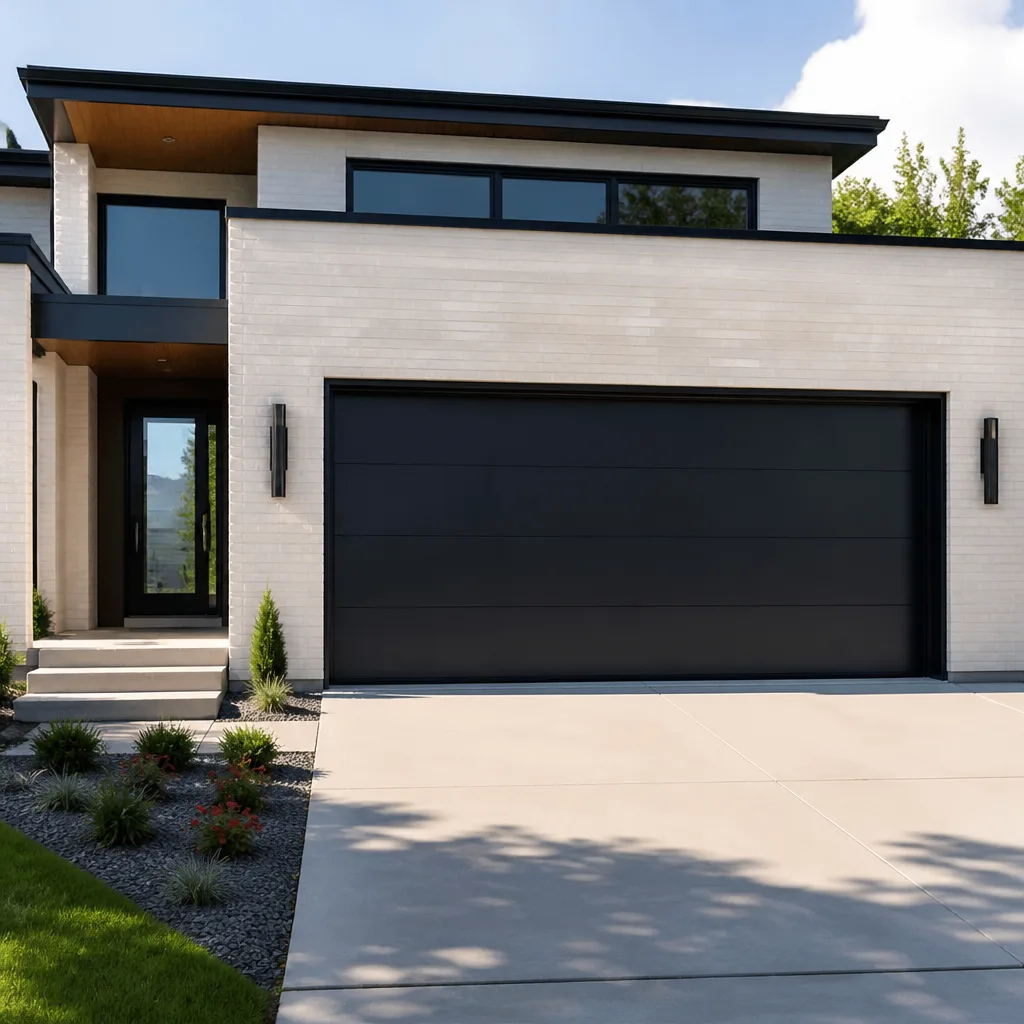 Modern flush
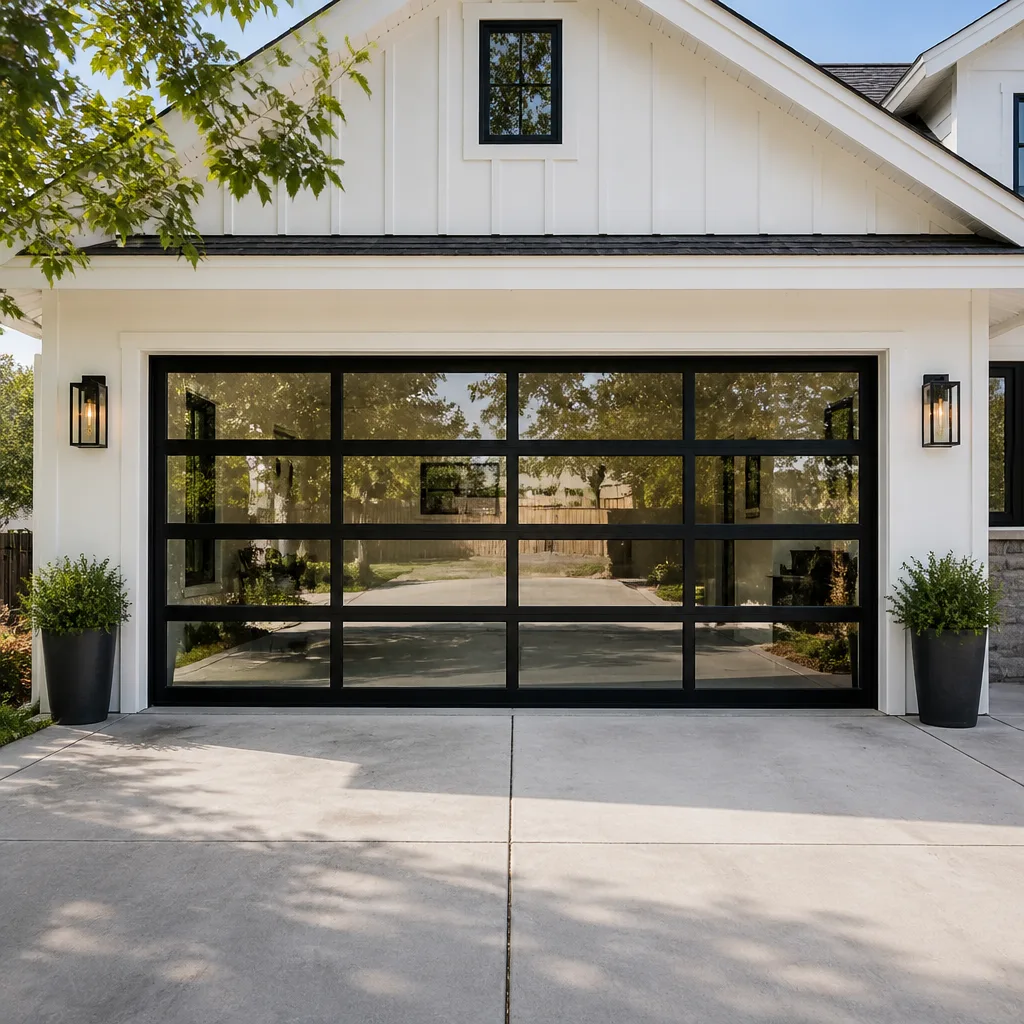 Full-view glass
 LiftMaster openers
 Chamberlain openers
Full 25-point door and opener safety check with every visit - springs, cables, rollers, tracks, and your LiftMaster or Chamberlain opener included
You get a price before we start. It does not change when the pro arrives.
Get your free estimateGarage Door Repair Troubleshooting in Chesapeake: Common Problems and How to Fix Them
Most garage door problems fall into five mechanical categories, and almost every symptom you’ll notice points to exactly one of them. That matters more than it sounds like it does, because knowing the category tells you immediately whether you’re looking at a five-minute adjustment or a high-tension job that can break a wrist if you get it wrong. A torsion spring under load stores serious energy. A snapped cable can whip across a garage. And a door that “just needs a little push” can be a door that’s about to come off its tracks. This guide walks through the common failure modes we see across Chesapeake, maps each symptom to its likely cause, and draws a clear line between the fixes you can safely do yourself and the ones you shouldn’t touch.
Quick Answer
Garage door problems usually trace back to one of five components: the springs, the cables and rollers, the tracks, the opener unit, or the safety sensors. Homeowners can safely handle track alignment, sensor cleaning, and remote or battery issues. Anything involving torsion springs, extension springs, or cables under tension is a job for a trained technician because those parts store enough energy to cause serious injury. In Chesapeake, coastal humidity also speeds up rust on springs and bottom brackets, so annual lubricant checks go a long way.
Styles & brands we work with
- Raised-panel steel
- Carriage house
- Modern flush
- Full-view glass
- LiftMaster openers
- Chamberlain openers
Table of Contents
- Symptom-to-Cause Matrix: What Your Door Is Telling You
- The Touch It / Don’t Touch It Line
- Opener or Door? How to Tell in 60 Seconds
- How Chesapeake Humidity Affects Springs and Brackets
- Fix-It-Yourself: Safe Repairs Step by Step
- The High-Tension Jobs You Should Never DIY
- What to Document Before You Call a Technician
- What Garage Door Repair Costs in Chesapeake
Chesapeake Garage Door Repair Co handles the whole job, from a snapped spring to a full new-door install, and we work on your brand. If you need help now, call Chesapeake Garage Door Repair Co at (866) 476-9023.
Symptom-to-Cause Matrix: What Your Door Is Telling You
Before you touch anything, listen. The sound your door makes, and where it stalls, tells you which part has failed. Here’s how we map the most common symptoms to the component that’s actually causing the problem.
- A loud bang from above the door, then the door won’t lift: torsion spring broke. This is one of the most common emergency calls we take in Chesapeake. Do not try to lift the door – call for spring repair.
- Door lifts a few inches and stops, motor humming: the opener is trying to move a door with a broken spring or a bound track. Stop cycling the opener so you don’t burn out the motor.
- Door goes up crooked, one side higher than the other: a stretched or snapped cable, or a broken spring on one side of a two-spring setup.
- Grinding, scraping, or squealing as the door moves: dry or worn rollers and hinges, or debris in the track. Often the cheapest fix on this list.
- Door reverses immediately after touching the floor: sensor misalignment, sensor obstruction, or a limit switch on the opener that needs adjusting.
- Door stops halfway and lights blink on the opener: safety sensor issue or a travel-limit problem – see the opener-versus-door section below.
- Door won’t close and the wall button does nothing: opener logic board, wall control wiring, or a locked-out remote.
- Rust streaks on the bottom bracket and a gritty sound: humidity-driven corrosion on the bottom bracket and rollers – common in Chesapeake’s summer months.
Match the symptom first, then decide whether it’s something you can handle or something to hand off. That single step saves most homeowners either a wasted service call or a very bad afternoon on a ladder. If you want a trained eye on it, garage door repair is available with a free estimate.
The Touch It / Don’t Touch It Line
The single most useful thing we can tell a homeowner is this: garage door work splits cleanly into two categories. One is genuinely safe to do yourself. The other will hurt you if you get it wrong, and no YouTube video changes that.
Safe to do yourself
- Wiping down the photo-eye sensors and checking they’re aimed at each other.
- Clearing debris, leaves, or a dropped tool out of the track channel.
- Replacing batteries in the remote or the wall keypad.
- Loosening a track bracket and nudging a slightly bent vertical track back to plumb (with the door fully closed and the opener disconnected).
- Lubricating hinges, rollers, and the torsion bar bearing plate with a garage-door-rated lubricant – not WD-40, which attracts dust.
- Re-pairing a remote to the opener following the brand’s manual – this is where knowing your specific unit helps.
Not safe to do yourself
- Torsion springs. A wound torsion spring holds enough energy to break a wrist or worse. There’s no safe way to wind one without the right winding bars and training.
- Extension springs. Same category – and if the safety cable isn’t run through the spring, a failure can send it across the garage.
- Cables under tension. Snapped cables can whip. Even a “loose” cable is usually still loaded.
- Bottom brackets. These hold the cable in tension. They’re more dangerous than they look.
- Replacing the opener motor unit if you’re not comfortable with the electrical connections and the mounting hardware.
- Cutting or modifying the torsion bar, shaft, or bearing plates.
If your symptom lands in the second column, stop. Call (866) 476-9023 and we’ll set up a free estimate – the price is quoted and agreed before any work starts.
Opener or Door? How to Tell in 60 Seconds
Half of the “my opener is broken” calls we get in Chesapeake are actually door problems, and diagnosing it takes less than a minute. Here’s the test.
- Pull the red emergency release handle. This disconnects the door from the opener carriage. The door should move freely by hand now.
- Lift the door about halfway by hand. A healthy door balances there with light pressure – you should be able to hold it with two fingers.
- If the door is very heavy, won’t stay up, or slams down: the problem is the door – usually springs or cables. The opener is fine; it’s just been fighting a broken door.
- If the door moves easily but the opener won’t run it: the problem is the opener – motor, logic board, safety sensors, or remote. Now you’re in opener territory.
That’s the whole test. If it’s the door, stop cycling the opener – you’ll strip the gear or burn out the motor trying to force it. If it’s the opener, garage door opener repair on a LiftMaster, Chamberlain, Genie, or Craftsman unit is something we handle routinely, and knowing the specific quirks of each brand saves diagnostic time. Either way, re-engage the release only after the door is fully closed and balanced.
How Chesapeake Humidity Affects Springs and Brackets
Chesapeake sits in a humid summer climate, and that changes the maintenance calendar compared with drier parts of Virginia. Rust doesn’t just look bad – it changes how a spring performs and shortens its life. Three areas take the worst of it:
- Torsion and extension springs. Surface rust eats into the coils, adds friction, and forces the spring to work harder. A spring that would last years on a dry-climate door can fatigue faster here if it’s never lubricated.
- Bottom brackets and bearing plates. These sit low and hold moisture. Gritty operation and rust streaks on the bracket are your early warning.
- Hinges and roller stems. A dry hinge in a humid garage rusts from the inside out. The grinding sound you hear in July is usually this, not something worse.
The fix is simple and cheap: a light coat of garage-door-specific lubricant on springs, hinges, rollers, and bearing plates twice a year – once in early spring and once before the humid stretch sets in. Avoid spraying the tracks; they’re meant to be dry. If you’re already seeing rust-through on a spring, don’t lubricate it and hope – have it inspected before it fails. Spring replacement done properly is garage door spring repair, and it’s a same-day job in most cases.
Fix-It-Yourself: Safe Repairs Step by Step
Here are the repairs we’re comfortable telling a Chesapeake homeowner to tackle. Each one uses basic tools, and none of them involve a loaded spring or cable.
Aligning a misaligned safety sensor
- Locate the two photo-eye sensors on either side of the door, about six inches off the ground.
- Check that the LED on each is solid – not blinking. A blinking LED means the pair isn’t communicating.
- Wipe both lenses with a soft cloth. Spider webs, dust, and pollen are frequent culprits in Chesapeake’s humid months.
- Loosen the wing nut or bracket screw, aim the sensor so it faces the opposite unit squarely, and tighten.
- Test by pressing the wall button – the door should close without reversing.
Straightening a slightly bent vertical track
- Close the door fully and pull the emergency release so the opener can’t move it.
- Find the bend. Vertical track bends are usually near the bottom or where the door was bumped.
- Loosen – don’t remove – the lag bolts holding the track bracket.
- Use a rubber mallet to tap the track back toward plumb, checking with a level.
- Retighten the bolts and test the door by hand before reconnecting the opener.
Quieting a noisy door
- Close the door and disconnect the opener.
- Spray a garage-door-rated lubricant on each hinge pivot, roller stem, and the torsion bar bearing plates.
- Wipe excess off so it doesn’t collect grit.
- Run the door up and down a couple of times and reapply to anything still squeaking.
If any of these steps makes the problem worse, or if what you find under the mallet is a bent section of horizontal track or a bent panel, that’s the point where a pro should look at it. The whole job – repair, opener, springs, or new door – is something we cover without handing you off to a subcontractor. See garage door installation if the door itself is past repair.
The High-Tension Jobs You Should Never DIY
Torsion springs, extension springs, cables, and bottom brackets are the parts of your garage door that can genuinely injure you. We say that plainly because we’d rather you hear it from us than find out the hard way. A wound torsion spring stores roughly 100 foot-pounds of torque – about the same energy as a decent right hook, concentrated in a steel coil under your ceiling.
What that means in practice:
- Never try to wind or unwind a torsion spring without proper winding bars and training. There’s no safe shortcut.
- Never cut a cable, even one that looks slack. It may still be under load.
- Never remove a bottom bracket to “check” it. That bracket holds the cable in tension.
- Never stand under a door with a broken spring. The door itself can drop.
- Never trust a spring’s appearance – springs fail from fatigue, not just visible damage.
Spring replacement is one of the most technically demanding jobs in this trade, which is why a lot of general handymen decline it. We don’t. Our technicians have up to 15 years of experience, and high-tension spring repair done safely is a core part of what we do in Chesapeake. If your spring has snapped, call (866) 476-9023 – emergency service is available, and we’ll book you as fast as we can.
What to Document Before You Call a Technician
The 90 seconds you spend gathering information before dialing saves diagnostic time and can save you money on the estimate. Here’s what actually helps:
- The brand and model of your opener. LiftMaster, Chamberlain, Genie, Craftsman, and Raynor each have different service manuals and common failure points. If you know the model number, even better – it’s usually on a sticker under the light cover or on the back of the unit.
- The brand of the door, if visible. Clopay, Amarr, Wayne Dalton, and others make doors with different panel and hardware designs. A brand sticker or embossed mark on the panel helps.
- What the door does. One sentence: “Won’t lift past six inches,” “Lifts crooked,” “Reverses as it hits the floor.” Be specific – “it’s broken” doesn’t tell us much.
- What the opener does. Does it hum? Do the lights blink? Does it run but not move the door? Any of these points directly at a cause.
- When it started. “After a power outage,” “after a loud bang,” “after I backed into it” – each of those is a different diagnosis.
- A photo of the label and the door. Text or email it if you can. It lets us arrive with the right parts and confirm the estimate more accurately.
Documenting this stuff doesn’t just save time – it lets the technician give you a real number instead of a guess. We confirm the written price before any work starts, so you know the estimate on the invoice is what you’re paying.
What Garage Door Repair Costs in Chesapeake
Here are the typical ranges for the most common garage door repairs in Chesapeake. Actual prices depend on your door, the brand, and the scope of the job, but these give you a realistic ballpark before you call.
- Torsion spring replacement (one spring): typically $180 – $340.
- Matched spring pair replacement: typically $360 – $680 – most springs are replaced as a pair, so a pair runs about twice one spring.
- Extension spring replacement: typically $150 – $280 per side.
- Broken cable replacement: typically $130 – $260 per side.
- Roller replacement (set): typically $120 – $250.
- Safety sensor replacement: typically $100 – $220.
- Opener motor replacement: typically $320 – $600 depending on the unit.
- Bent track realignment: typically $100 – $220.
- Panel replacement: typically $200 – $500 per panel.
These are estimates for planning, not firm quotes – the written estimate we provide is the final price, and it’s agreed before any work starts. If you’re looking at a repair that’s approaching the price of a new door, we’ll tell you honestly. A new-door install is a measured, scheduled job, and we’d rather you hear that from us than spend twice on repairs to a door that’s had it.
Common Mistakes to Avoid
- Forcing a stuck door with the opener. If the door stalls on the way up, stop cycling the opener. The motor is trying to do the spring’s job and it will eventually burn out or strip the gear.
- Using WD-40 on springs and hinges. It’s a solvent, not a lubricant. It dries and leaves a gummy film that attracts dust – exactly the wrong outcome in Chesapeake’s humid summers. Use a garage-door-specific lubricant.
- Winding a spring “just a little” to see if it works. There is no safe small adjustment. Winding bars, gloves, and training are not optional. This is the single most dangerous DIY mistake we hear about.
- Removing a bottom bracket because “it looks loose.” The bottom bracket holds the cable under tension. Loosening it can release stored energy in an instant.
- Ignoring rust on springs and brackets. Coastal humidity here accelerates corrosion, and by the time a spring visibly pitted, it’s closer to failure than it looks. Lubricate on a schedule.
- Overlooking the safety sensors after a power outage. Sensors frequently need to re-aim after a storm or a bump. A five-minute wipe and realignment saves a service call.
- Assuming every stiff door needs a new opener. Nine times out of ten it’s a door problem – springs, cables, or track. Diagnose first, then talk about the opener.
See the difference
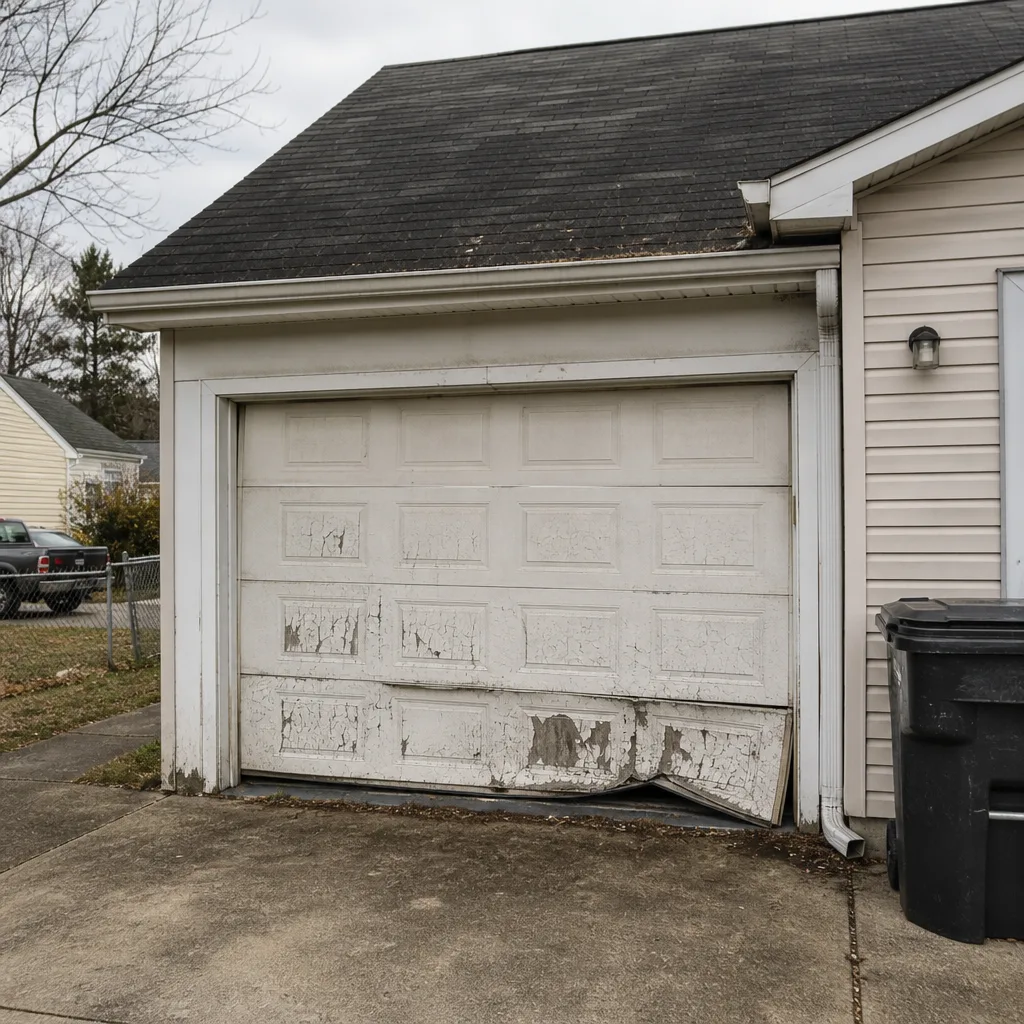 Before
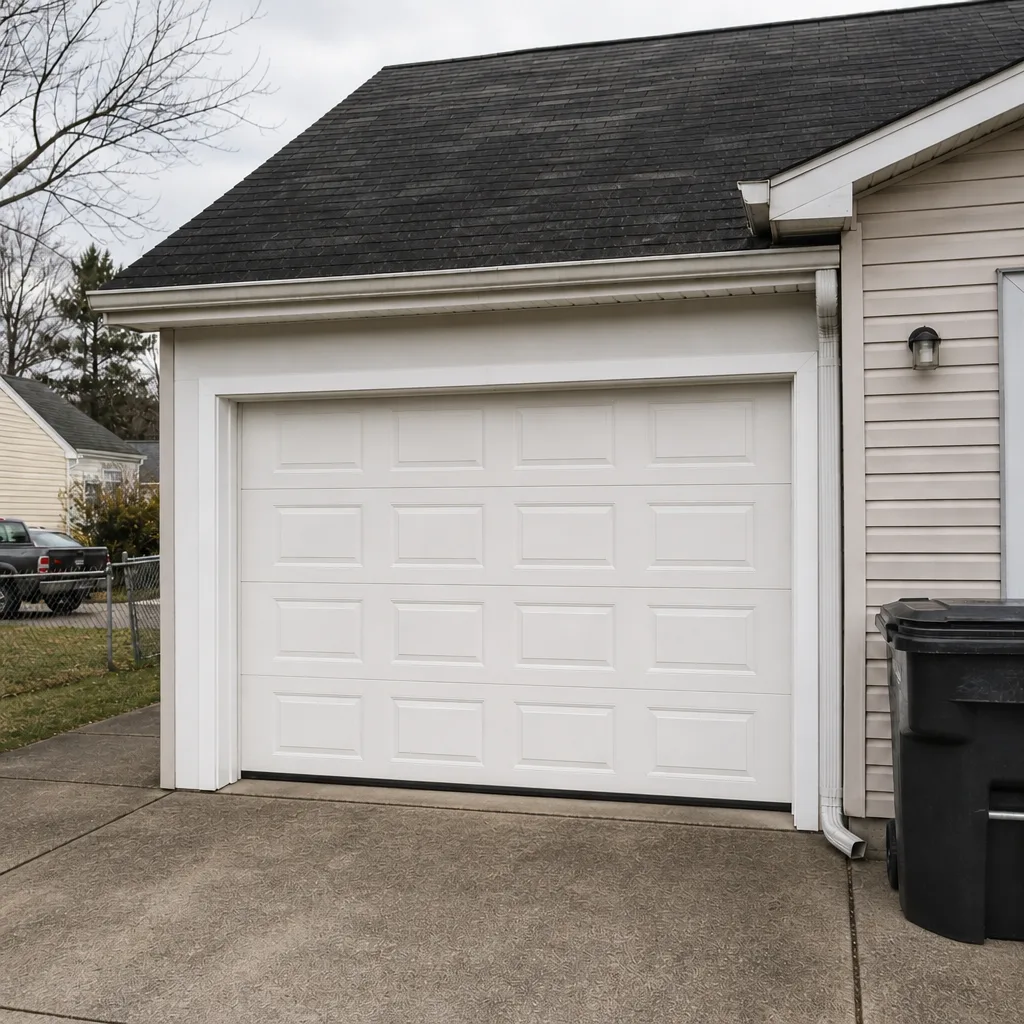 After
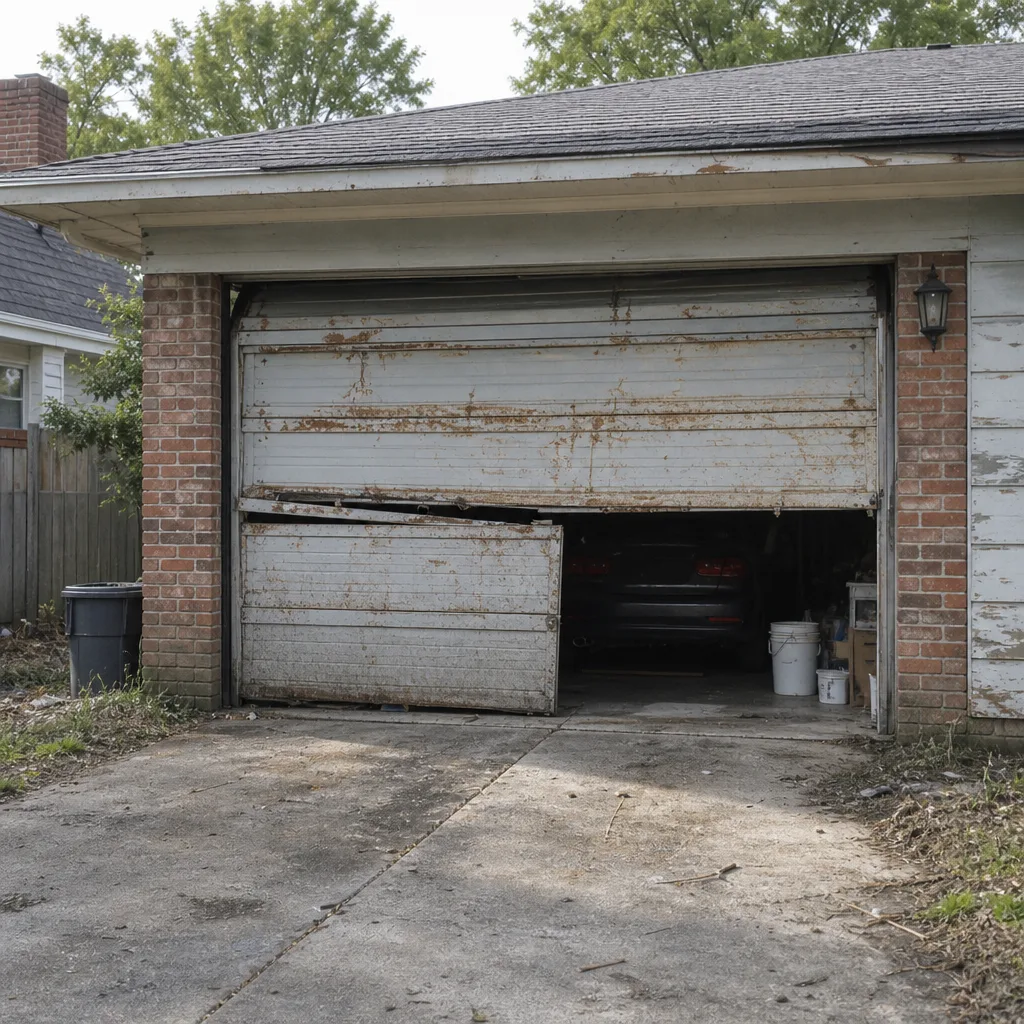 Before
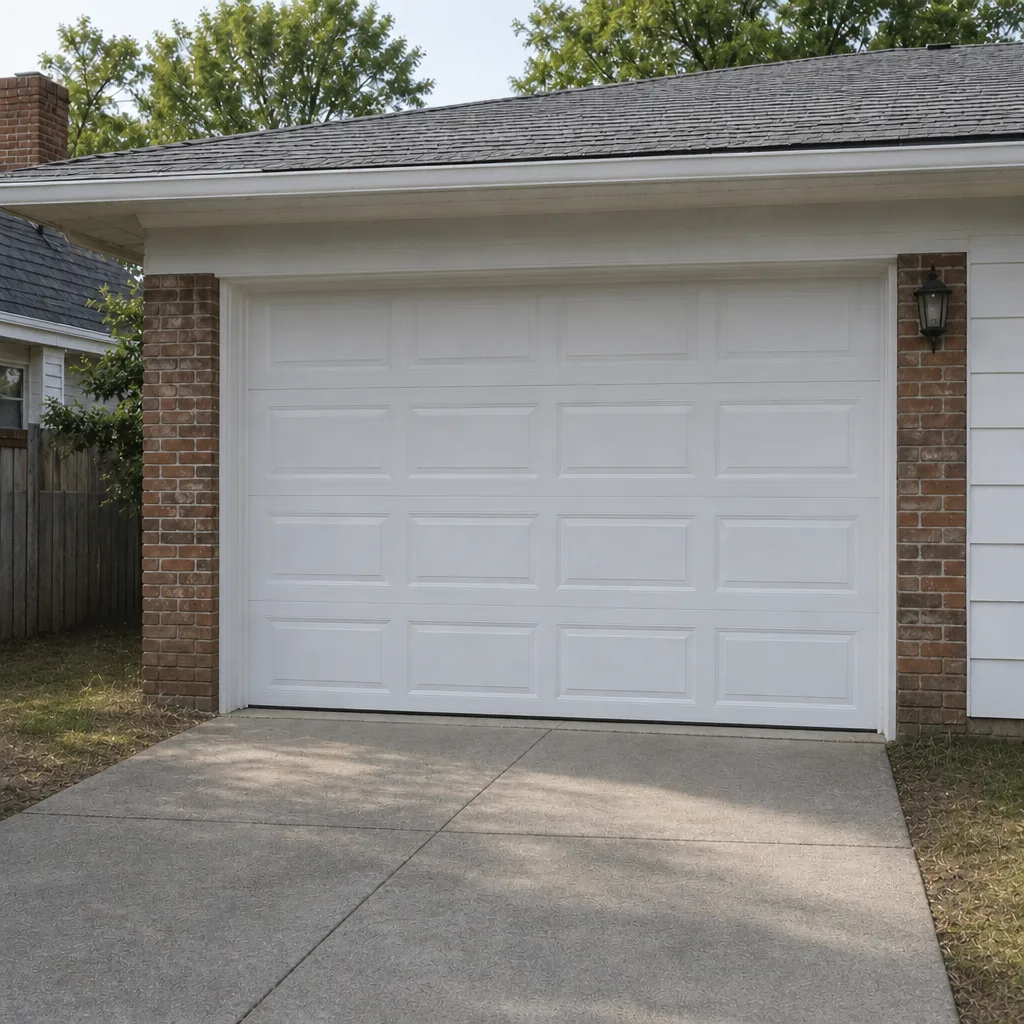 After
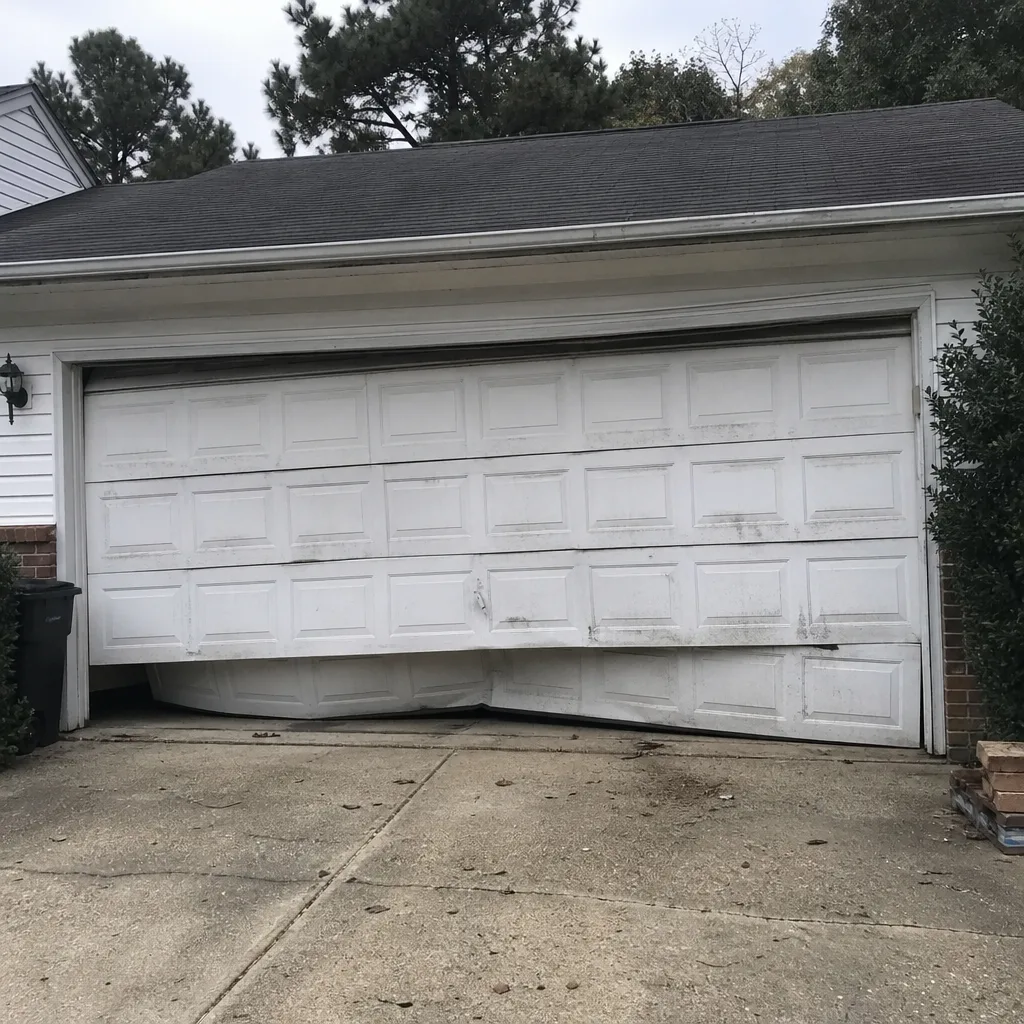 Before
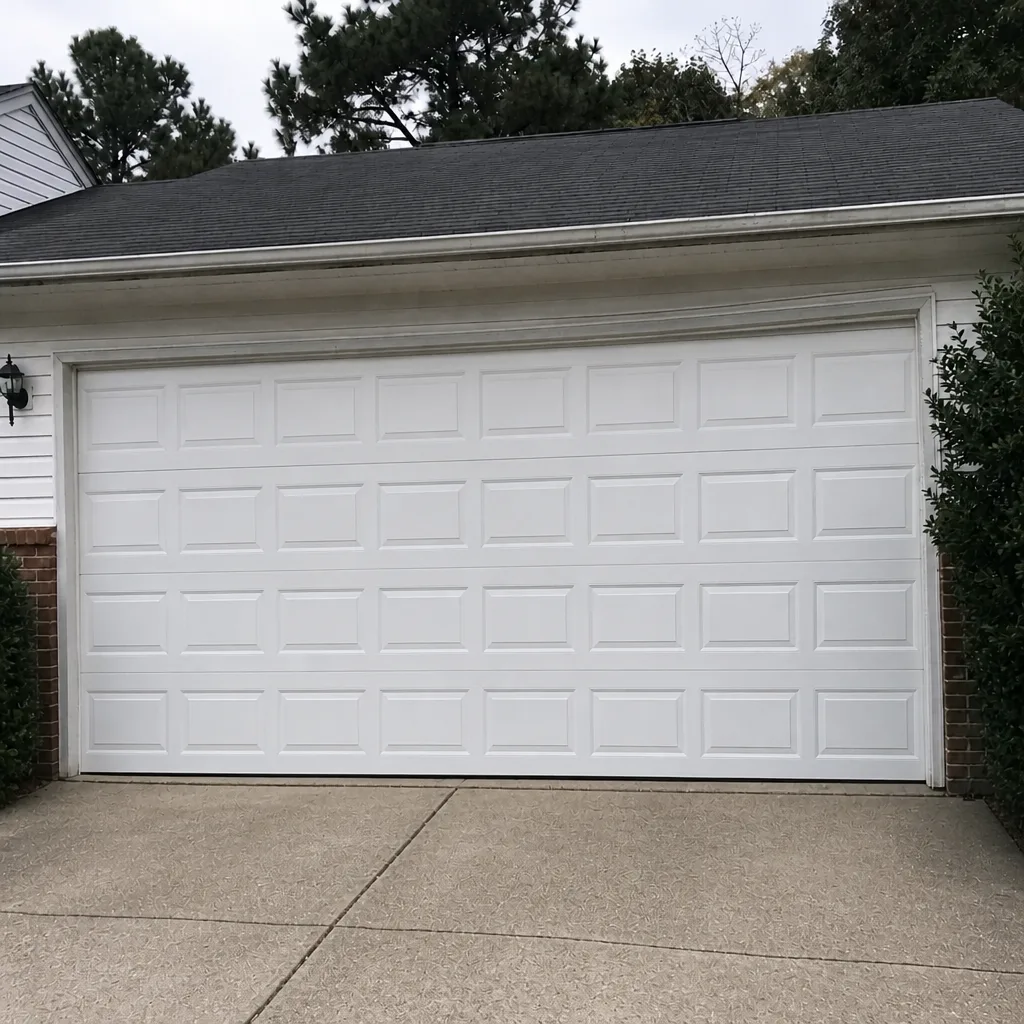 After
When to Call a Professional
Call a professional immediately if any of these are true: a spring has snapped, a cable is loose or hanging, the door has come off its tracks, the door won’t stay up when you lift it by hand, you see bent or broken bottom brackets, or you’ve had to force the door open to get a car out. Those situations involve stored energy, and the risk of injury is real. For less urgent issues – sensor trouble, a noisy door, a remote that won’t pair – a scheduled estimate is fine. Chesapeake Garage Door Repair Co offers free estimates in Chesapeake – call (866) 476-9023 for an exact quote, including emergency service if you need it. We work on your brand, whether that’s LiftMaster, Chamberlain, Clopay, or Raynor, and the whole job stays with one team.
Frequently Asked Questions
A broken torsion spring is the most common serious problem in Chesapeake. The loud bang and the sudden inability to lift the door together are the giveaway. Springs are the highest-tension part of the system and fail from fatigue regardless of appearance, so if yours has snapped, book a repair – call (866) 476-9023 for a free estimate.
No. Torsion and extension springs store enough energy to cause serious injury, and replacing one safely requires proper winding bars and training. There is no safe DIY shortcut. If your spring is broken or the door is very heavy to lift, call a professional – contact us at (866) 476-9023.
Pull the red emergency release and lift the door by hand. If it’s very heavy or won’t stay up, the problem is the door – usually springs or cables. If the door moves easily but the opener won’t run it, the opener is the problem. Call (866) 476-9023 if you’re not sure – the diagnosis is quick.
Photo-eye sensor misalignment or a limit switch that needs adjusting is the usual cause. Wipe the sensor lenses, check that both LEDs are solid, and re-aim the pair. If it still reverses, the travel limits on the opener probably need adjusting – that’s a quick fix we handle regularly.
Yes. Emergency garage door service is a core offering, not an upsell, so a spring that snaps or a door that won’t close at night is something we set up quickly. Call (866) 476-9023 and we’ll book you as fast as we can. Estimates are free.
No. The written estimate we provide is the price you pay, and it’s quoted and agreed before any work starts. If something unexpected shows up – a bent bottom bracket behind the broken spring, for example – we’ll explain it and re-quote before we continue, never after.
If you’ve had three or more separate repairs in a season, or the door is bent, sagging, or rusting through, replacement is often the better value. A new-door install is a measured, scheduled job – call (866) 476-9023 for a free estimate and we’ll tell you honestly which makes more sense.
The Bottom Line
Most garage door problems fall into five mechanical categories, and knowing which one you’re looking at tells you immediately whether it’s a DIY fix or a job for a technician. Track alignment, sensor cleaning, and lubrication are safe to handle yourself – and worth doing twice a year in Chesapeake’s humid climate. Springs, cables, and bottom brackets are not, and the energy stored in a wound spring is enough to cause real injury. If you’re ever unsure, or if the door is heavy, off-track, or making the sort of bang that ends a morning, stop and call. We handle repair, opener service, spring replacement, and installation without handing you off to anyone else. Call (866) 476-9023 for a free estimate – the price is quoted and agreed before any work starts.
Written by the team at Chesapeake Garage Door Repair Co.