Last updated November 21, 2026
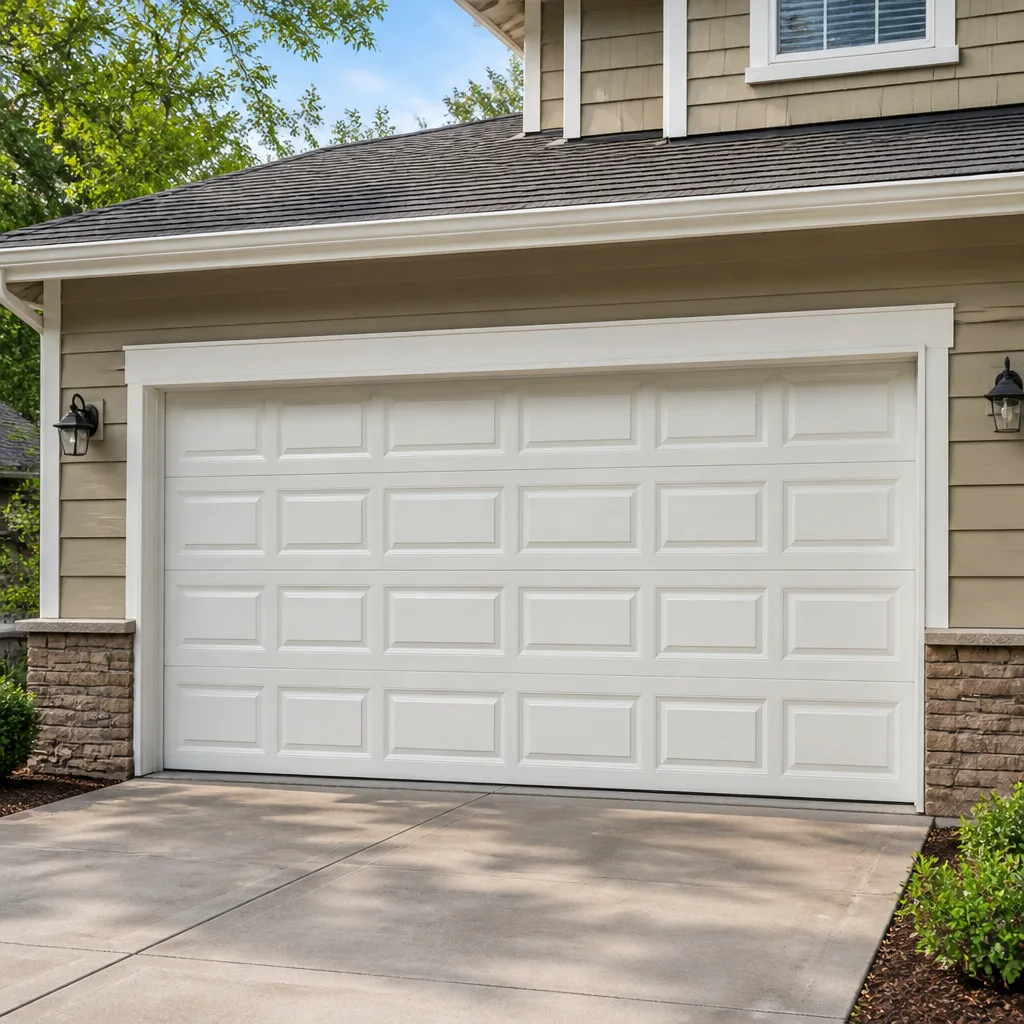 Raised-panel steel
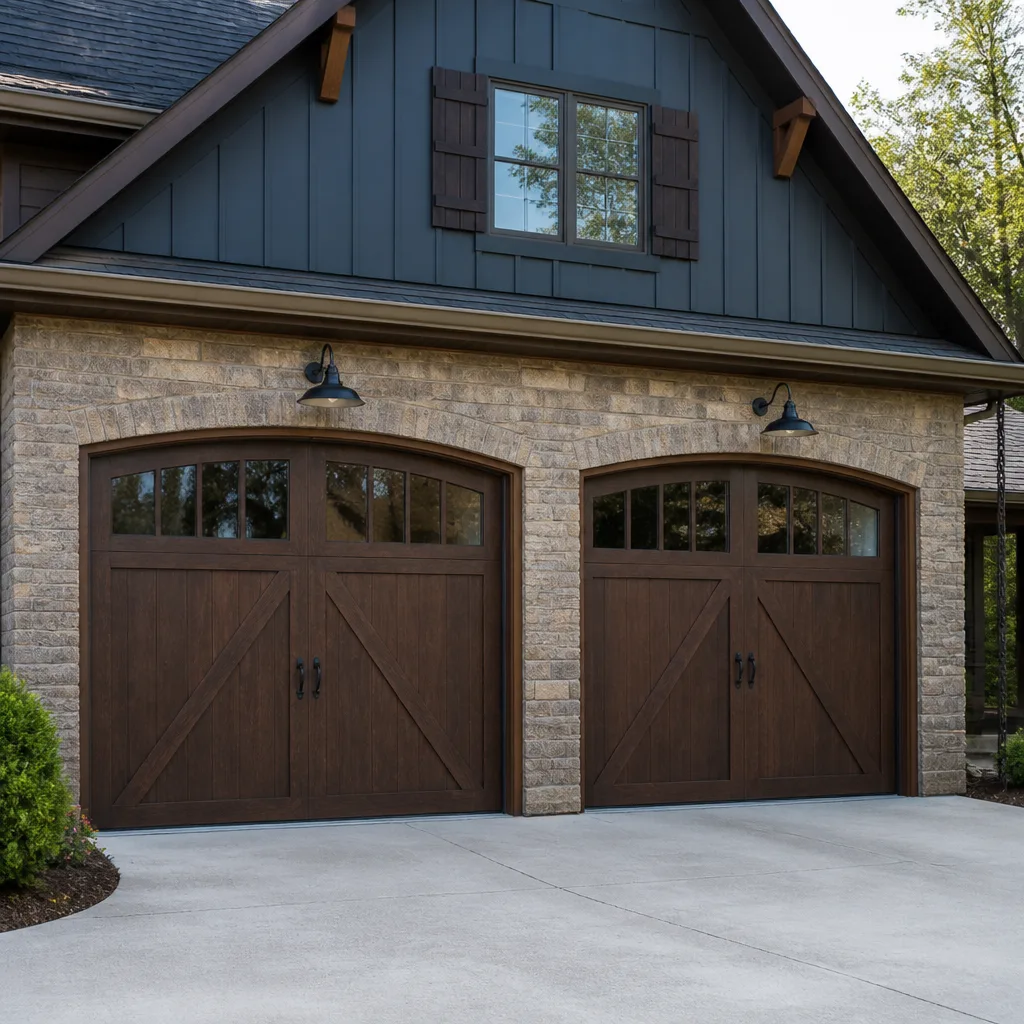 Carriage house
 Modern flush
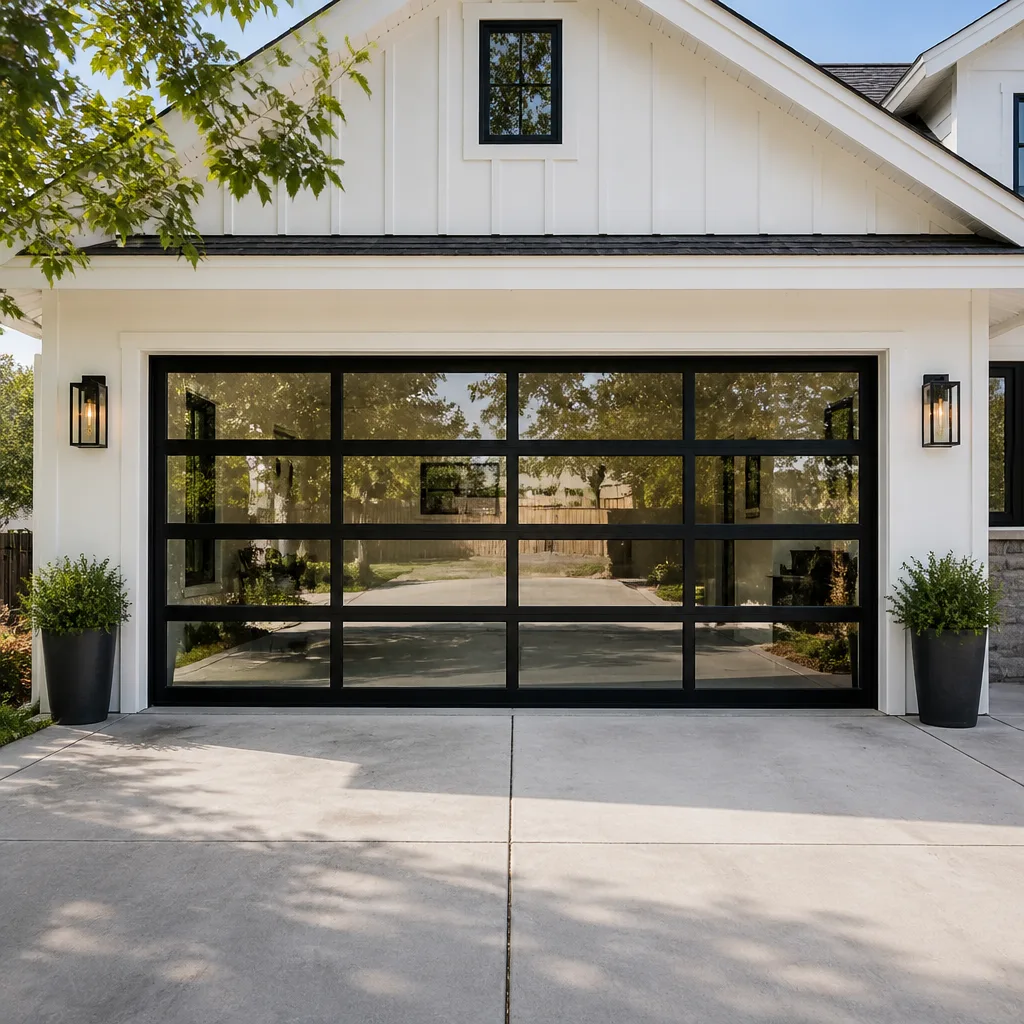 Full-view glass
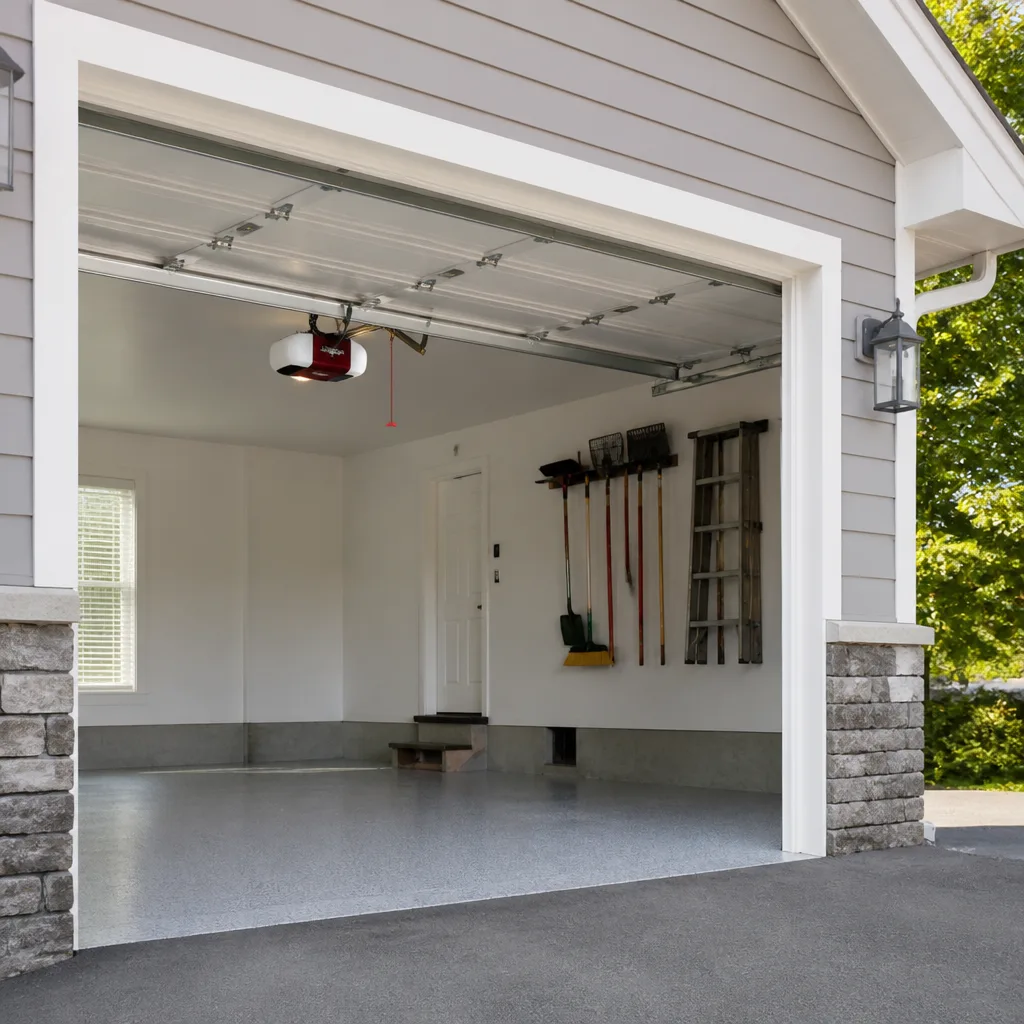 LiftMaster openers
 Chamberlain openers
Full 25-point door and opener safety check with every visit - springs, cables, rollers, tracks, and your LiftMaster or Chamberlain opener included
You get a price before we start. It does not change when the pro arrives.
Get your free estimateSeasonal Garage Door Care for Chesapeake: Year-Round Homeowner’s Guide
Most maintenance calendars treat the year as four equal seasons. Chesapeake doesn’t work that way. What we actually get is two long punishing stretches – a humid summer that pushes hardware hard and a winter of freeze-thaw swings – separated by two short transitional windows in fall and spring. Those windows are the only times your springs, weatherstripping, and opener are all running close to their design conditions. Do the work then and everything else gets easier. Miss them and you end up doing repairs under pressure, often on the morning you need the car out. This guide walks through seasonal garage door maintenance in Chesapeake on that real schedule, with the specific tasks, the signs to watch, and when to stop and call a professional.
Quick Answer
Garage door care in Chesapeake has two real maintenance windows: a fall prep in late September and early October before the humidity breaks and storm season winds down, and a spring inspection in April after the winter freeze-thaw cycle releases. Everything between is monitoring – watching for heat-driven spring tension changes in summer and seal damage in winter. Spread a handful of small checks across the year and you avoid most of the failures we see.
Styles & brands we work with
- Raised-panel steel
- Carriage house
- Modern flush
- Full-view glass
- LiftMaster openers
- Chamberlain openers
Table of Contents
- Why Chesapeake’s Climate Breaks the Standard Maintenance Calendar
- Fall Prep: What to Do Before Winter
- Winter Reality Check: The Freeze-Thaw Cycle
- Spring Inspection Priorities
- Summer Heat and Your Springs
- The One-Page Seasonal Task Calendar
- Tools, Safety, and What Not to Touch
- Common Mistakes to Avoid
Why Chesapeake’s Climate Breaks the Standard Maintenance Calendar
Chesapeake sits in a part of Virginia where the humidity is heavy most of the year and winter rarely delivers a hard, sustained freeze. On paper that sounds gentle. In practice it’s a rotating combination of expansion, contraction, and moisture that works on garage door components differently than a cold-climate guide would describe. Wood and steel door surfaces swell and shrink. Weatherstripping softens in the heat and stiffens in the cold. Springs, torsion or extension, live in a range of tension that shifts with temperature more than most homeowners realize.
The result is a building that’s always moving slightly. A door that’s perfectly adjusted in October may need attention by April, and a spring that feels fine in January can carry real tension once the garage warms up in June. That movement is normal. The problem is when it goes unnoticed for months and turns a small adjustment into a snapped spring or an opener that’s been fighting an unbalanced door and finally burns out.
Here’s the practical takeaway: you don’t need a dozen maintenance appointments. You need two focused inspections, one in each shoulder season, plus a couple of quick checks in between. Those two windows – the two or three weeks in October when the humidity drops and again in April as the ground warms – are when conditions are closest to what your hardware was designed for. That’s when adjustments hold, seals seat correctly, and problems are easiest to spot.
What Makes a Garage Door Work Differently Here
- Humidity cycles: Repeated damp-and-dry cycles swell and shrink the door frame and can loosen fasteners and hinges over time.
- Moderate winters with freeze-thaw: Chesapeake rarely gets a deep, long freeze, but the cycle of overnight cold and daytime warmth is its own stressor on bottom seals and low-tension springs.
- Summer sun on a south- or west-facing door: Direct heat on a dark-painted steel door can push surface temperatures high, and torsion spring tension shifts noticeably from a cool morning to a hot afternoon.
- Storm season runoff: Fall storms drive water against bottom seals and can wash grit into tracks, which is why the fall window matters.
Fall Prep: What to Do Before Winter
Late September and early October is the single most important window in this guide. You’re prepping for winter, but you’re also cleaning up after a humid summer and a storm season that pushed grit into tracks and moisture against seals. The goal is a door that closes tightly and travels smoothly before the first cold snaps. Do these checks on a dry afternoon when the door is in its normal state, not right after a rain.
- Wash out the tracks. Use a stiff brush or a rag, not a hose sprayed at full pressure. Grit and leaf matter that collected over summer causes rollers to drag, and dragging rollers wear fast from October onward.
- Inspect the bottom seal. Run your hand along the rubber or vinyl seal at the floor. Look for cracks, flattening, or a section that’s pulled loose. A seal that doesn’t sit flat lets cold air and water in and is one of the first things the freeze-thaw cycle damages.
- Check the weatherstripping on the sides and top. This is the frame-mounted strip around the opening. If it’s cracked or hanging loose, it will let drafts through and can bind the door as it closes.
- Test the safety sensors. Open the door and pass an object through the sensor beam near the floor. The door should reverse. If it doesn’t, stop and treat it as a repair – the sensors are a genuine safety device.
- Look at the springs. Note any visible gaps in a torsion spring or stretched, sagging extension springs. Don’t touch them – we cover why below – but a visible change is worth a call.
- Lubricate hinges, rollers, and the opener arm. A garage door specific lubricant on the pivot points and a light check of the opener’s chain or belt keeps things moving as temperatures drop.
- Test the auto-reverse and the balance. Disconnect the opener and lift the door halfway by hand. A balanced door stays put. If it slams down or is very heavy, the springs or cables are carrying the wrong tension and need a professional look.
If any of these checks turns up a spring or cable problem, that’s a job for a trained technician. We handle high-tension spring repair safely, and it’s one of the reasons a general handyman often declines the work. If you’d rather have the whole inspection done at once, our team covers it as part of garage door repair in the area.
Winter Reality Check: The Freeze-Thaw Cycle
Chesapeake winters don’t usually deliver the hard, weeks-long freezes that northern guides warn about. What we get instead is the freeze-thaw cycle: cold enough overnight to stiffen rubber and contract metal, warm enough by midday to reverse it. Over a winter, that back-and-forth is genuinely hard on two components in particular – the bottom weatherstripping and any spring that’s already near the low end of its tension range.
Here’s what actually happens. The bottom seal, which sat soft and flat through summer, goes stiff in the cold and stops conforming to the floor. A door that sealed tightly in October can start letting air and moisture under by January. Meanwhile, a torsion spring that was adjusted in warm weather may feel slightly slacker in the cold, and an extension spring can sag. Neither is dangerous on its own, but a door that’s out of balance because of temperature-driven tension change puts extra load on the opener every single cycle.
We’ve seen this pattern often enough to plan around it. Winter is a monitoring season, not a heavy maintenance season. Do these quick checks and leave the adjustment work for spring:
- Watch for a bottom seal that’s cracked or sitting off the floor after a cold snap.
- Listen to the opener. New grinding or straining in cold weather usually means the door is out of balance, not that the opener has failed.
- Clear any ice or debris that forms at the door’s threshold; a small ridge of ice under the seal can make the door stop short.
- Check that the safety sensors are still aligned. Cold can shift the mounting brackets slightly.
- Keep the tracks clear of grit and salt-free. If you track in road salt or sand, brush it out rather than letting it build up at the bottom of the track.
If the door stops reversing, the spring looks broken, or the opener starts making a new noise you can’t place, don’t wait for spring. A door that fails hard in the middle of a cold morning is a morning you can’t get the car out. Our technicians have up to 15 years of experience reading exactly those symptoms.
Spring Inspection Priorities
April is the second critical window. Winter is over, the ground has warmed, and the door has spent months expanding and contracting. This is the inspection that catches the damage before summer heat compounds it. Treat it as your annual full check, because it’s the point where everything you noticed over the winter gets either confirmed as fine or turned into a repair.
Start with a walk-around. Open the door fully and look at the springs, cables, rollers, and hinges. Then close it and look at the seals. In our experience, the humidity-driven movement over winter shows up in three predictable places: hinge screws that have loosened a quarter turn, rollers that have drifted out of their brackets, and a bottom seal that no longer makes flush contact. None of those are emergencies. All of them are easier to fix in April than to live with through July.
Your Spring Checklist
- Check the door’s balance. Disconnect the opener, lift the door to halfway, and let go. It should hold. If it drifts down or up, the spring tension needs adjustment.
- Inspect springs for damage. A torsion spring with a visible gap has broken. An extension spring that’s stretched or has a gap between coils is worn. Either way, stop using the door and call.
- Examine cables. Look for fraying, kinks, or slack. Cables are under high tension and are not a DIY item.
- Look at rollers and hinges. Wobbling rollers, dry hinges, or a hinge that’s pulled away from the panel are all worth addressing.
- Test the opener’s force and travel. The door should open smoothly and stop at the right height. If it’s laboring, the opener may be compensating for a door that’s out of balance.
- Recheck the seals. Replace any side or top weatherstripping that cracked over winter.
- Wipe down tracks and re-lubricate moving parts. A clean, lightly lubricated system runs cooler in summer.
If the balance test fails or you spot spring damage, that’s the moment to call. We handle spring replacements and full opener diagnostics, and our technicians are familiar with the hardware on Amarr and Wayne Dalton doors, among the other major residential brands we work on. You can read more about how we approach opener issues on our garage door opener repair page.
Summer Heat and Your Springs
Here’s the part most seasonal guides skip. Chesapeake summers aren’t just uncomfortable for people – they push garage door hardware toward the top of its operating range. A south- or west-facing door in direct afternoon sun can get hot enough on the surface that the metal expands slightly and the torsion spring’s tension changes from morning to afternoon. You may notice your door opens fine at 7 a.m. and feels heavier at 3 p.m. That’s not your imagination, and it’s not an emergency.
The question is what to monitor. We tell homeowners to watch for three things over the summer months. First, any change in how the door sounds – grinding, scraping, or a thump at the end of travel. Second, a door that stops reversing when you test it, or a sensor that seems to trigger on its own in bright sun. Third, a door that starts to feel noticeably heavier by hand than it did in spring. If it’s the door itself, the spring tension is likely the cause.
Summer Monitoring List
- Test the safety reverse feature once a month; bright sun on the sensor lens can cause false triggers.
- Keep the tracks clear of grit and check that rollers aren’t running dry.
- Listen for opener strain – it usually signals the door is out of balance, not the opener.
- Keep the tracks and hinges lightly lubricated; heat dries out lubricant faster than cool weather does.
- If your door faces direct afternoon sun, consider whether the surface heat is worth a lighter paint color at the next repaint. It’s a small change that reduces how hard the hardware works.
Don’t try to adjust torsion spring tension yourself in summer. The springs are hottest and most heavily loaded in July and August, and adjusting them is a high-tension job even under the best conditions. This is a trained-professional task. If your door is struggling in the heat, schedule an inspection rather than reaching for a wrench.
The One-Page Seasonal Task Calendar
Here’s the whole year on one page, built for Chesapeake’s actual climate rather than a generic four-season template. Save this as your reference and work from it rather than trying to remember everything above.
September – October: The Big Fall Window
- Wash out the tracks and clean rollers.
- Inspect and replace any damaged bottom or side seals.
- Test the safety sensors and auto-reverse.
- Lubricate hinges, rollers, and the opener arm.
- Run the balance test and note any spring or cable concerns.
- Get a professional inspection if anything looks off – this is the best window of the year for it.
November – February: Winter Monitoring
- Watch for cracked or stiff bottom seals after cold snaps.
- Listen for new opener noises; note but don’t adjust.
- Clear ice and grit from the threshold.
- Check sensor alignment periodically.
- Call if the door stops reversing or a spring visibly breaks.
March – April: The Big Spring Window
- Full walk-around and balance test.
- Inspect springs, cables, rollers, and hinges.
- Re-tighten loose hinge screws.
- Replace seals that cracked over winter.
- Test opener force and travel.
- Clean and lubricate the system for summer.
May – August: Summer Monitoring
- Monthly safety-reverse test.
- Listen for opener strain and note any change in door weight.
- Keep the system lubricated and tracks clear.
- Call for a professional inspection if the door starts to labor.
The two fall and spring windows are the workhorses. Everything else is a light touch. If you want to skip the guesswork entirely, our seasonal inspection service covers the full list at either window and gives you a written assessment of anything that needs attention.
Tools, Safety, and What Not to Touch
Before any of this, be clear about the line between what a homeowner can check and what needs a trained technician. Garage doors operate under high spring tension, and a torsion spring or a cable that lets go under load can cause serious injury. That’s not a scare tactic – it’s the reason a reasonable handyman often declines spring work, and it’s the reason we handle it as a specialist job.
Here’s the practical split:
- Safe for a homeowner: visually inspecting springs and cables, checking seals, testing the safety reverse, cleaning tracks, lubricating hinges and rollers, tightening loose brackets with a screwdriver.
- For a trained technician: adjusting or replacing torsion or extension springs, replacing cables, disconnecting and re-tensioning springs, replacing broken springs entirely, opener repairs that involve internal components.
For inspections you can safely do, you’ll want a flashlight, a stiff brush, a rag, garage door lubricant, and maybe a screwdriver for the occasional loose bracket. That’s the full kit. You don’t need special tools, and you shouldn’t buy spring winding bars – if a job needs them, it’s not a homeowner job. Our Chesapeake garage door team handles the specialist work, and we’re honest about which side of the line a given problem falls on.
Common Mistakes to Avoid
- Treating all four seasons as equal. A generic four-season maintenance calendar will have you doing heavy work in January and July, when the door is actually under the most temperature stress. Work the fall and spring windows instead.
- Adjusting torsion springs yourself. This is the single most common cause of garage door injuries. High-tension springs are not a DIY job, even when a video makes it look simple.
- Ignoring a bottom seal until spring. A seal that goes stiff and cracks over winter lets moisture in all season. Replacing it in fall is cheaper than living with a warped door frame.
- Assuming the opener is the problem. If the door opens slowly or with strain, the opener is usually compensating for an out-of-balance door. Replacing the opener without fixing the balance just wears out the new one.
- Skipping the balance test. It takes a minute, and it’s the fastest way to catch spring problems before they become spring breaks.
- Letting grit build up in tracks. Chesapeake storm season drives leaf litter and dirt into the tracks. A few minutes with a brush in October prevents months of roller wear.
- Waiting for total failure. A door that fails on a work morning is a morning you’re trapped. The whole point of seasonal care is preventing that – which is why we offer same-day garage door repair when a check turns up something urgent.
When to Call a Professional
Some seasonal checks are yours to run. Others are for a technician. Call a professional when you see a broken spring (a visible gap in a torsion spring, or stretched extension springs), frayed or kinked cables, a door that won’t stay balanced when you lift it by hand, or a door that won’t reverse on command. Call if the opener strains or grinds, if a door comes off its track, or if a bottom seal has failed in a way that lets water into the garage. And call before a problem gets worse rather than after – a door laboring on a warm-up cycle in July is cheaper to fix than a door that fails in September. Chesapeake Garage Door Repair Co offers free estimates in Chesapeake – call (866) 476-9023. We handle spring repair, opener diagnosis, weatherstripping, and full installations, and if your door needs replacing rather than repairing, our garage door installation service handles the full measure and install under one roof.
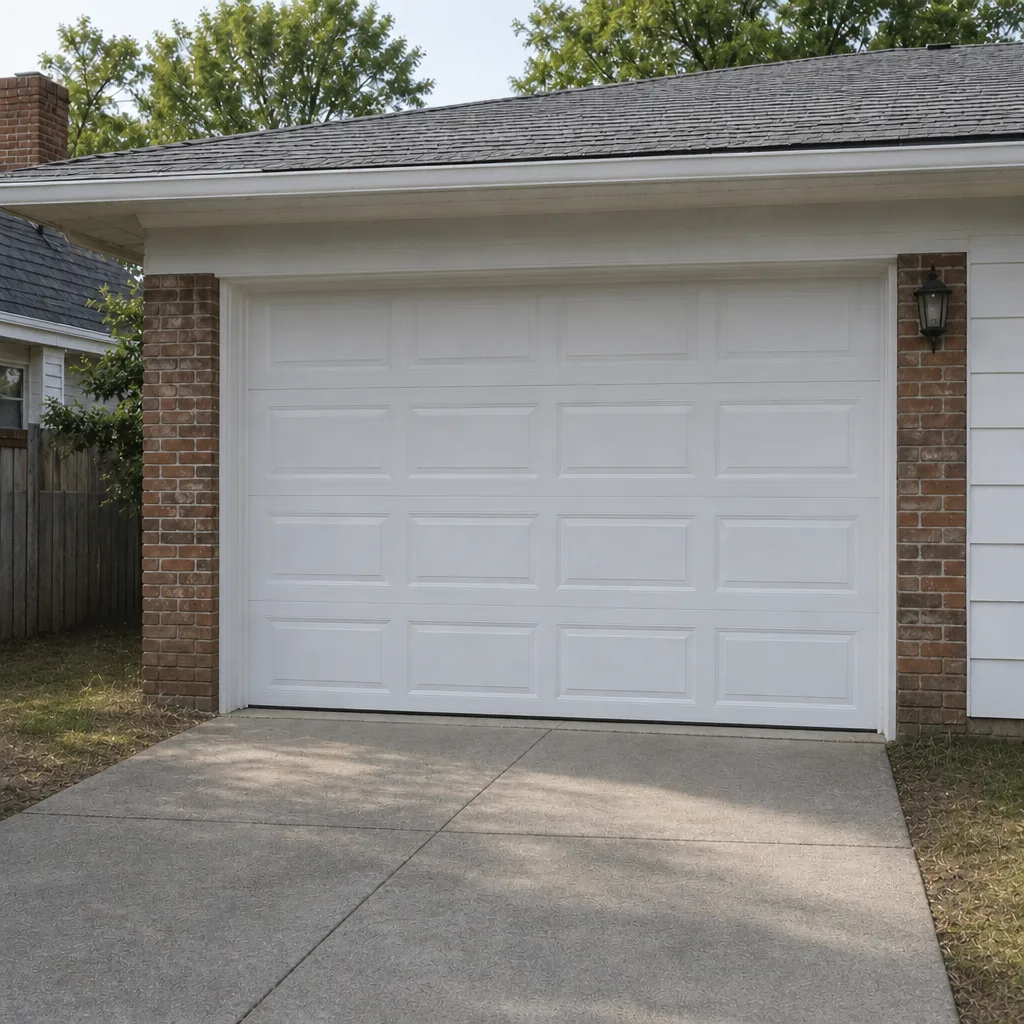
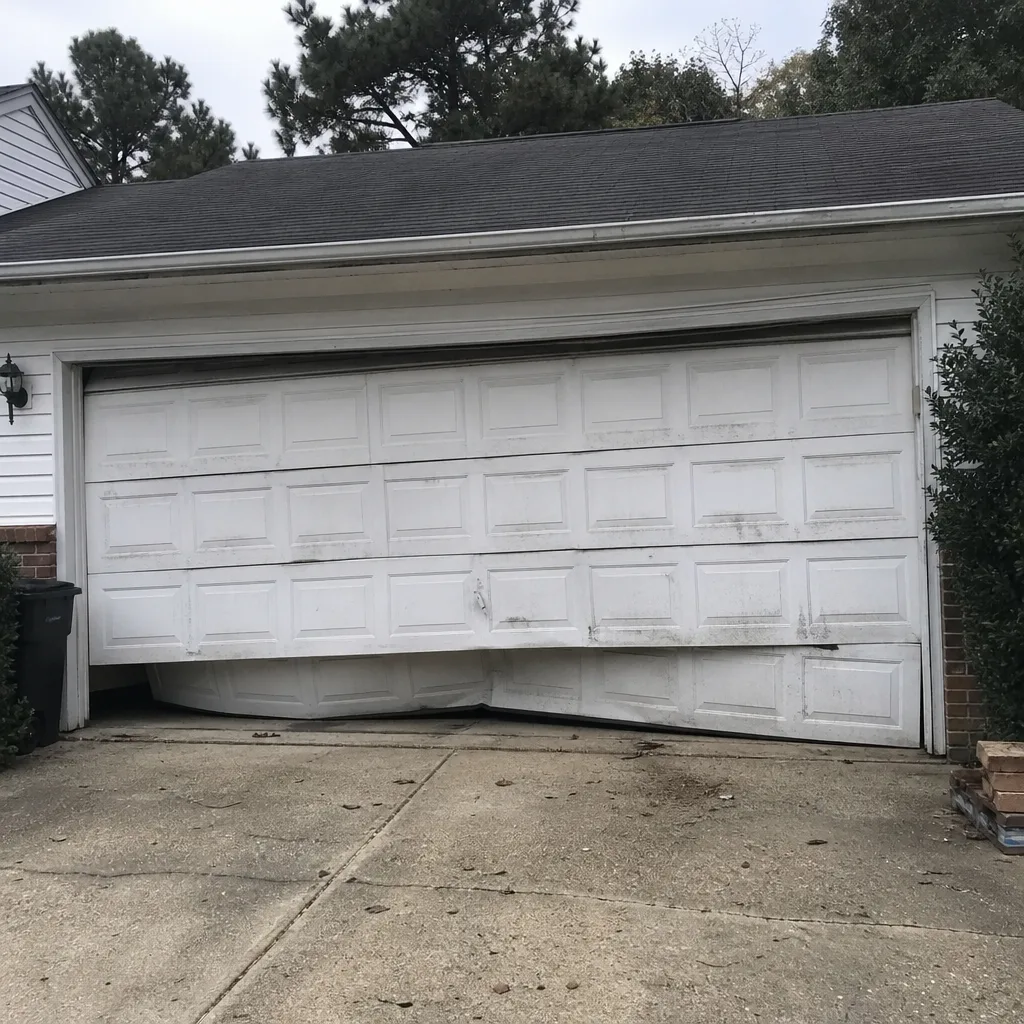
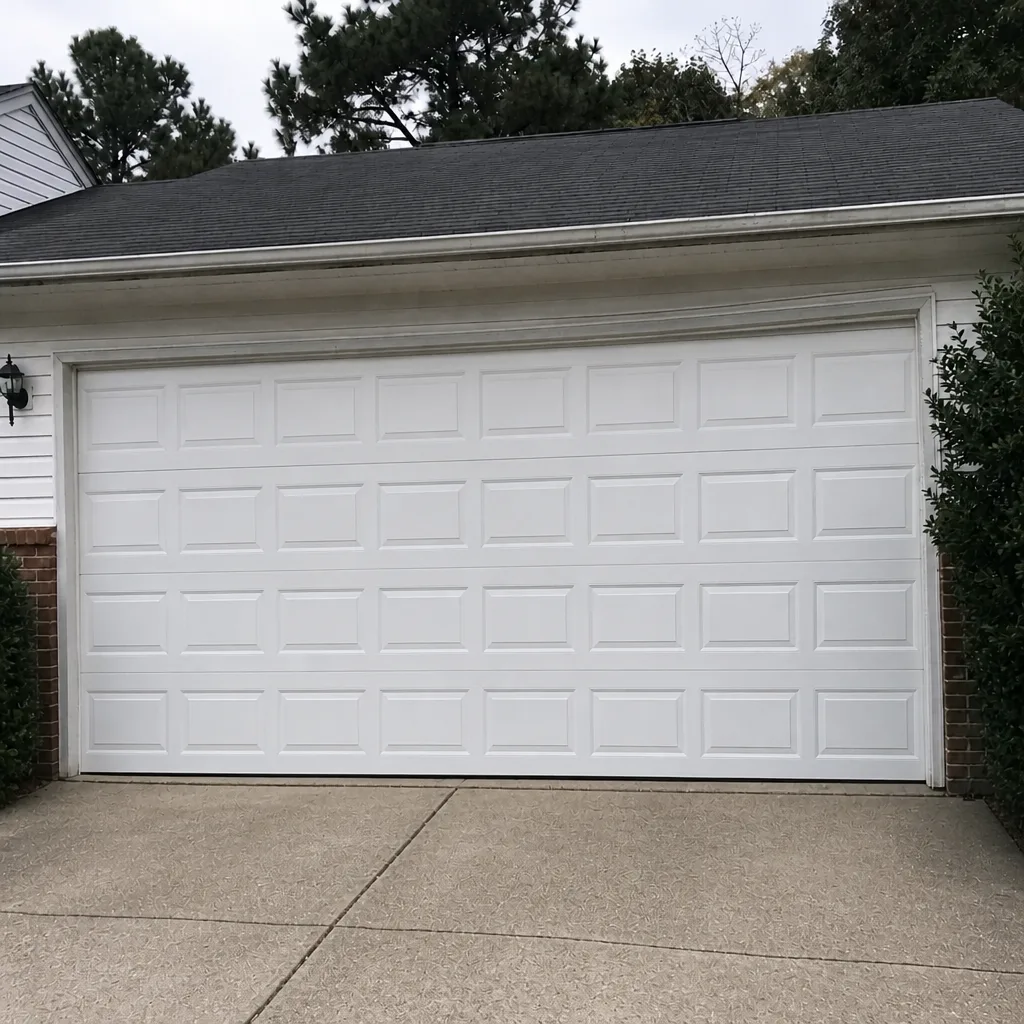
See the difference
 Before
 After
 Before
 After
 Before
 After
Frequently Asked Questions
Twice a year works best in Chesapeake, timed to the fall and spring windows. The late September to October window preps the door for winter and cleans up after storm season, and the April window catches damage from the winter freeze-thaw cycle. Between those two visits, monthly safety checks and regular monitoring cover the rest. If you’d rather not track it yourself, a professional inspection at each window is a simple way to keep it on schedule.
Routine checks and lubrication are inexpensive, and most of that work is something a homeowner can do. Professional inspections and minor adjustments are modest. The real cost savings come from catching problems in the shoulder seasons before they turn into spring or opener failures. We give a written estimate before any work starts, and the price we quote is the price you’ll see. Call (866) 476-9023 for an exact figure – estimates are free.
Mostly monitoring rather than maintenance. Chesapeake winters rarely give a hard freeze, so the main job is watching for cracks in the bottom seal, listening for new opener noises, and clearing ice or grit from the threshold. Don’t adjust spring tension in winter. If a spring visibly breaks or the door stops reversing, that’s a call.
You can still do the work in late October or early November, but you’re doing it under more stress – the door is already heading into cold, and any problem you spot is harder to schedule. The important thing is getting it done before winter sets in. If you’ve already lost the window, plan to do a full spring inspection in April and don’t skip it.
Yes. Torsion spring tension shifts with temperature, so a door can feel heavier in a hot afternoon than a cool morning. That’s normal. What’s not normal is a door that suddenly starts laboring or makes new noises – that usually means the spring or the opener needs attention. Don’t try to adjust the springs yourself in summer, when they’re at their hottest and most loaded.
The local professionals we connect you with are licensed and insured as their state requires, and our own technicians have up to 15 years of experience with the brands we service, including Amarr, Wayne Dalton, Craftsman, and Raynor doors. We can tell you on the phone exactly what’s covered. For a free estimate, call (866) 476-9023.
The Bottom Line
Chesapeake doesn’t have four equal seasons. That means a standard maintenance calendar is the wrong tool. Work the two real windows – late September before the humidity breaks, and April after the freeze-thaw cycle releases – and you’ll stay ahead of most failures. Fall is where you clean up after summer and prep for winter. Spring is where you confirm what winter did and prepare for the heat. In between, monitor the seals, listen for opener strain, and don’t touch the springs. The whole system is easier to keep running than it is to repair, and the small checks you do in the shoulder seasons do most of the work.
Contact
If a seasonal check turns up something, or you’d just rather have it done right, call Chesapeake Garage Door Repair Co at (866) 476-9023 for a free estimate. We work on your brand, we handle the whole job – repair, opener service, spring replacement, and installation – and we won’t hand you off to a subcontractor for the hard parts. Whether you need a spring replaced, an opener diagnosed, a door measured for replacement, or a full seasonal inspection, one call covers it.
Written by the team at Chesapeake Garage Door Repair Co.