Last updated November 21, 2026
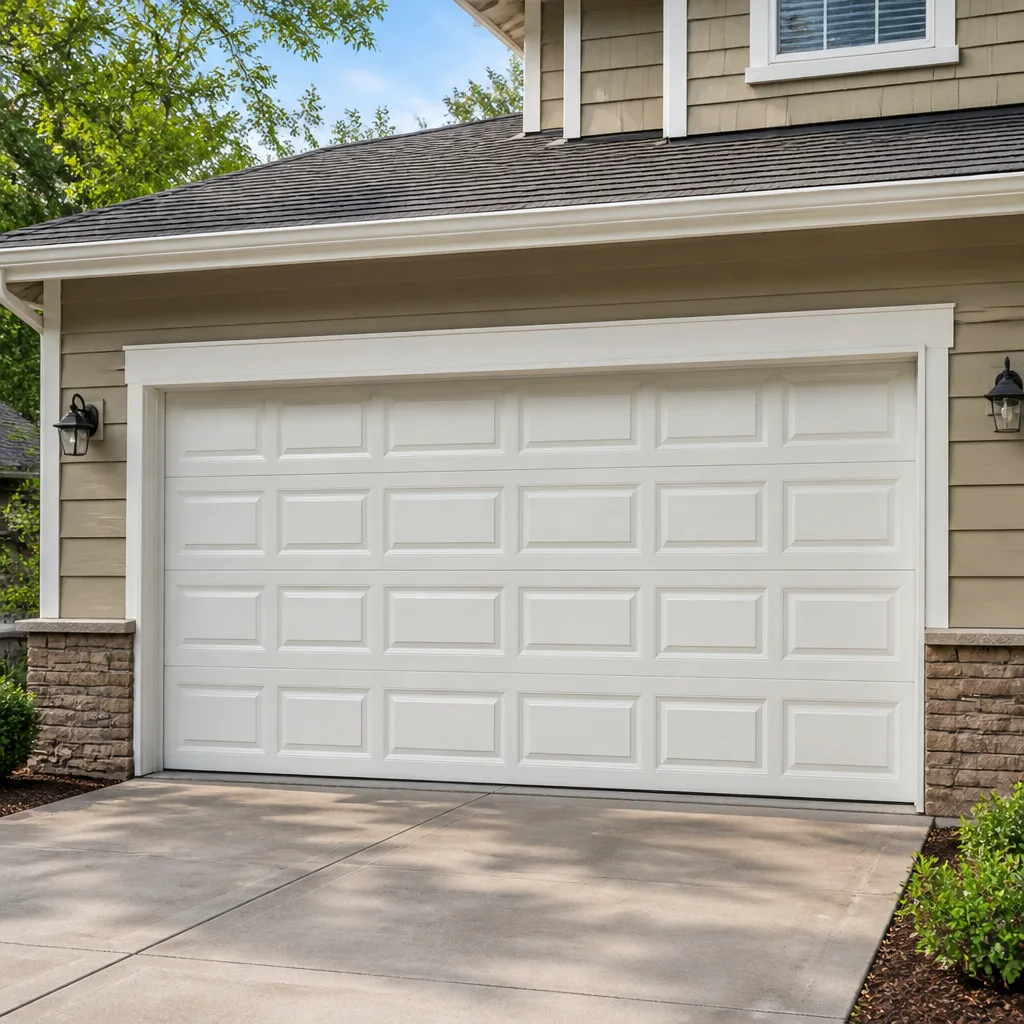 Raised-panel steel
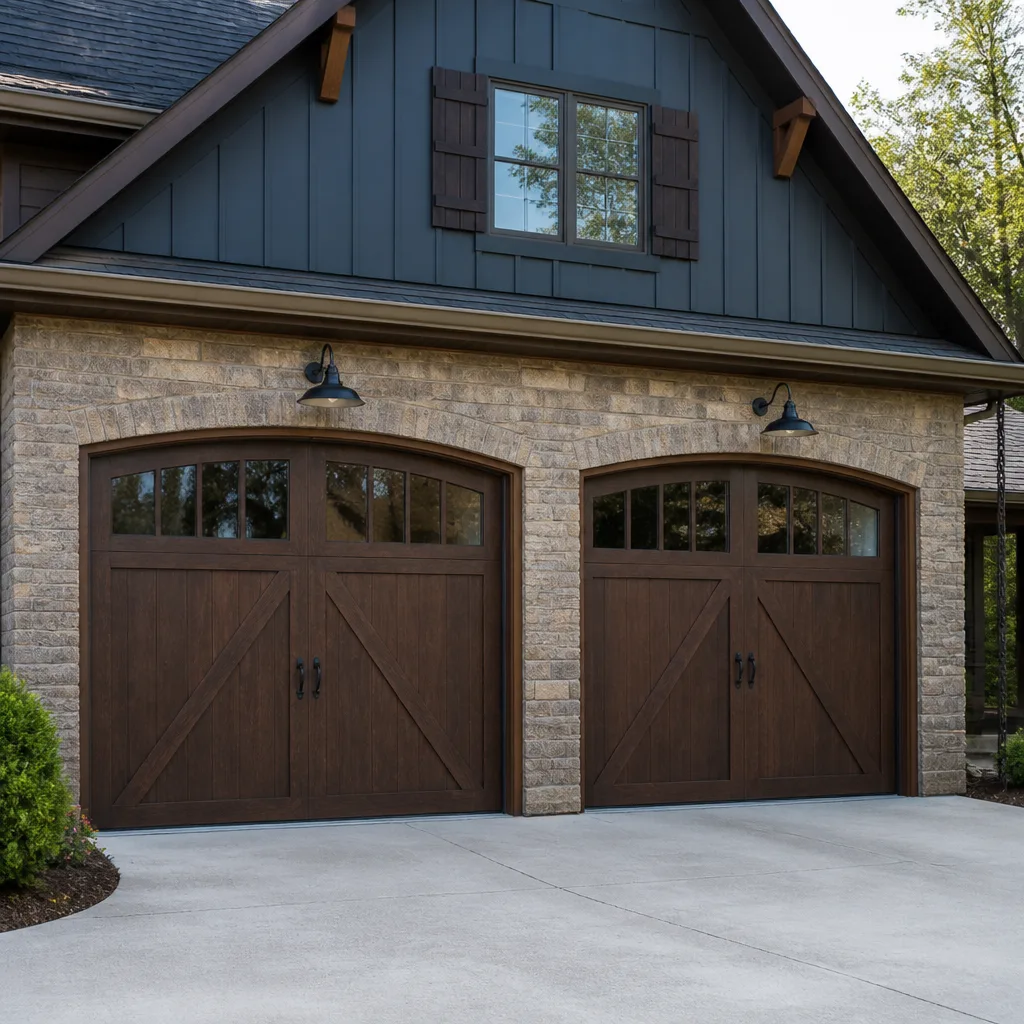 Carriage house
 Modern flush
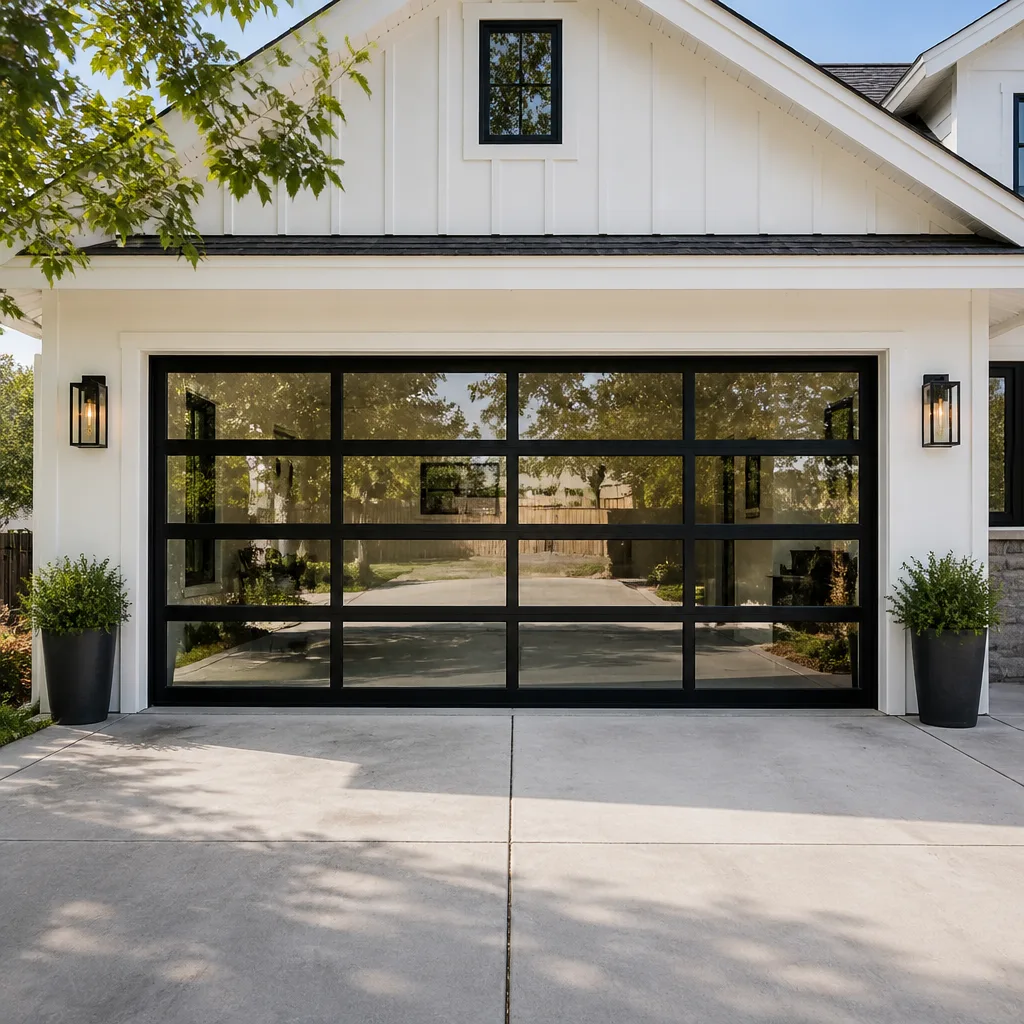 Full-view glass
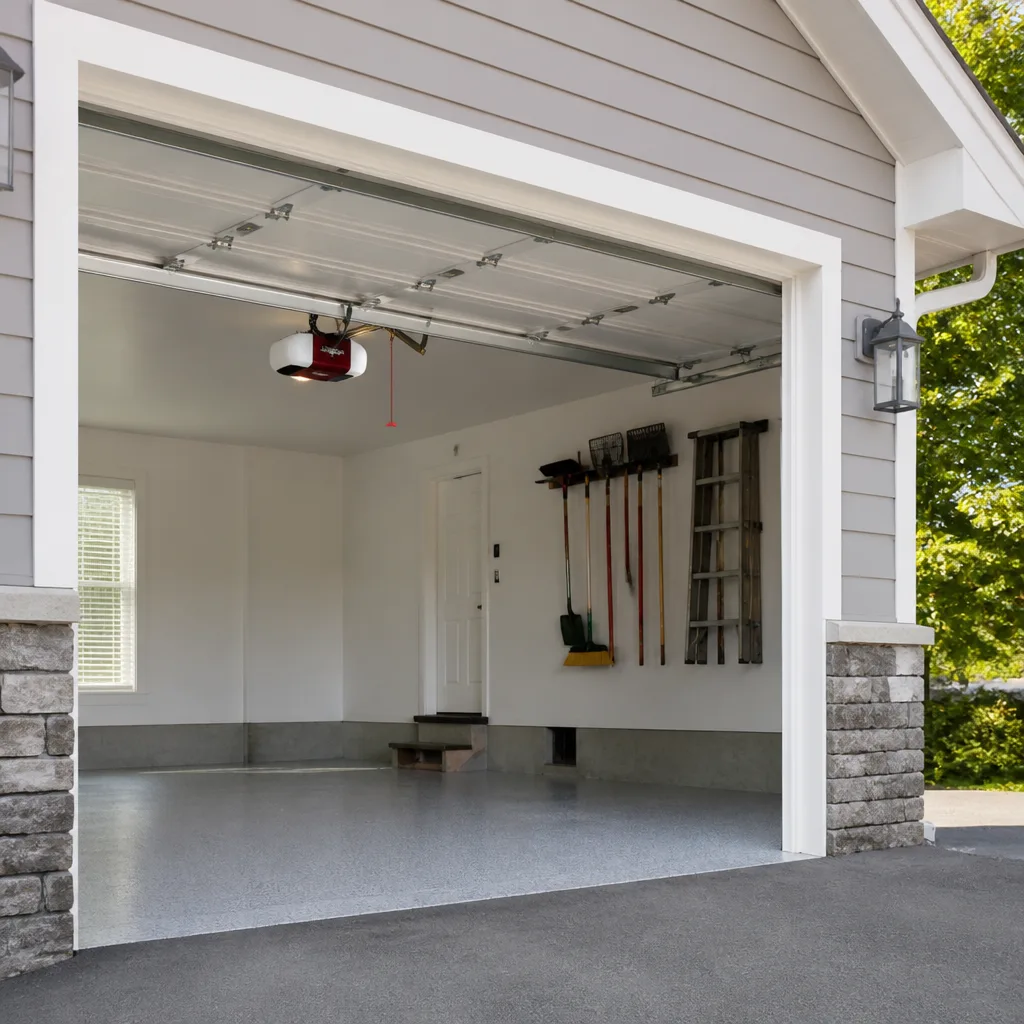 LiftMaster openers
 Chamberlain openers
Full 25-point door and opener safety check with every visit - springs, cables, rollers, tracks, and your LiftMaster or Chamberlain opener included
You get a price before we start. It does not change when the pro arrives.
Get your free estimateGarage Door Warning Signs: A Chesapeake Homeowner’s Reference Guide
A garage door that hesitates for half a second before it moves isn’t just annoying. More often than not, it’s a torsion spring that’s lost significant tension and is weeks away from snapping under full load. The trouble is that most homeowners only learn to read a garage door after something fails, and by then the repair is bigger than it needed to be. This guide walks through the sounds, behaviors and visual clues that tell you what’s actually happening behind the panels, which signs mean “handle it soon” and which mean “don’t use this door tonight.” We’ll keep it grounded in what we see around Chesapeake, where humidity and storm cycles leave their own fingerprints on the hardware.
Quick Answer
The most reliable garage door warning signs are a door that hesitates or stutters when opening, grinding or popping sounds during travel, a door that reverses before closing, visibly frayed or kinked cables, worn-out rollers and a garage door opener that struggles to lift a door it once handled easily. Grinding, popping, scraping or clicking each point to a different mechanical source, and separating opener symptoms from door-and-hardware symptoms tells you whether you’re facing a small adjustment or a safety-critical repair. Signs like a snapped spring, a door hanging crooked, a cable off its drum or a door that won’t stay up on its own are urgent, while minor squeaks and cosmetic scrapes usually aren’t. If anything on the urgent list shows up, stop using the door and get it looked at by a trained technician before it causes damage or injury.
Styles & brands we work with
- Raised-panel steel
- Carriage house
- Modern flush
- Full-view glass
- LiftMaster openers
- Chamberlain openers
Table of Contents
- What the Sounds Are Telling You
- Visual Clues Most Homeowners Never Check
- Opener Problem or Door Problem? How to Tell
- Urgent vs. Can-Wait: A Priority Tier
- Chesapeake Conditions That Accelerate Wear
- What a Routine Tune-Up Actually Catches
- Common Mistakes to Avoid
- When to Call a Professional
What the Sounds Are Telling You
A garage door is a system of moving parts under real load, and each type of sound usually traces back to a specific component. Learning to match the noise to the part saves you a diagnostic fee and, more importantly, keeps you from using a door that’s already in trouble. The table below is the short version we’d give any Chesapeake homeowner over the phone.
- Grinding: Usually a dry or failing torsion spring, a worn bearing plate or a roller that’s seized and dragging against the track. Persistent grinding under load is a spring-and-hardware concern, not a lubrication problem.
- Popping or snapping (one loud bang): The classic sound of a torsion spring breaking. If you hear a single sharp pop, the door suddenly gets very heavy or won’t lift, do not force it.
- Scraping: The door panel or bottom seal dragging against the frame, or a track that’s been knocked out of alignment.
- Clicking: Often the opener’s gears or a relay, or a safety sensor that’s slightly out of alignment and cycling.
- Rattling: Loose hinges, bolts backing out or a worn roller stem wobbling in its bracket.
- Humming without movement: The opener motor is running but the door isn’t moving. That’s a stripped gear, a broken drive belt or a disconnected carriage, and it’s an opener-side problem.
- Squealing: Metal-on-metal contact from a roller that’s lost its bearing, or a torsion tube binding in its center bearing.
One habit worth building: stand in the driveway with the door closed and have someone run the opener while you listen. You’ll hear where the sound originates (top of the door, the tracks, or the opener unit overhead), and that location narrows the cause immediately. If the noise came on gradually, it’s almost always wear. If it appeared all at once, something broke or shifted, and that’s when you stop and call for garage door repair rather than keep cycling the door.
Visual Clues Most Homeowners Never Check
Sounds get your attention, but the visual inspection is where you catch failures before they strand you. A garage door doesn’t fail in one dramatic moment for no reason; it fails after weeks or months of small visible changes nobody looked at. Here’s where to look, in order of how often it matters.
- Cables. Look at the cables running down each side of the door and along the bottom corners. Healthy cable is a tight, even braid with no stray strands. Fraying usually starts where the cable wraps around the drum at the top, and a cable with a visible kink, a fray or a birdcage-like tangle is a serious safety issue. Cables hold the door’s weight and are under extreme tension; never touch or adjust them yourself. This is one of the few parts where we tell homeowners to stop looking and call a professional.
- Rollers. With the door closed, look at the rollers where they sit in the track. Worn rollers are flat-spotted, cracked or loose in their stems, and may wobble. A healthy roller rolls quietly and sits snug in its bracket.
- Bottom brackets. Check the metal bracket at each bottom corner for hairline stress cracks, rust bloom or a loosened bolt. A cracked bottom bracket is a stop-using-it condition, because the cable is anchored there.
- Springs. Look at the coil spring above the door (or the pair of extension springs if you have them). A broken torsion spring shows a clear gap in the coil. Extension springs should have a safety cable running through them; if one is missing, that’s worth fixing before anything else.
- Panels and hinges. Check for dents, bent hinge plates and gaps where panels meet. A panel that’s out of line puts extra strain on the tracks and opener.
- Weather seal and bottom threshold. A brittle or torn bottom seal lets in water and pests and can catch as the door closes.
This inspection takes five minutes and costs nothing. In our experience, the two items that catch homeowners off guard most often are frayed cables and cracked bottom brackets, because both sit low and out of the line of sight. Neither is something to investigate on your own beyond a visual check; the tension on those parts makes them hazardous.
Opener Problem or Door Problem? How to Tell
This is the distinction that decides who you call and what the repair costs, and it’s the one most homeowners get wrong. A garage door opener is a motor that lifts a door. If the door itself is balanced and moving freely, a modest opener can lift it. If the door’s springs, rollers or tracks are dragging, the opener is fighting the door, and no amount of opener repair will fix that.
Here’s the quick test, and it’s safe to run because you’re only pulling a release cord:
- With the door fully closed, pull the manual release cord hanging from the opener carriage. This disconnects the door from the opener.
- Lift the door by hand halfway and let go. A properly balanced door should stay roughly where you left it, or drift slowly and evenly.
- If the door slams down, feels very heavy or won’t stay up, the problem is the springs or hardware, not the opener. Stop here and don’t reconnect it.
- If the door lifts easily and stays in place, the door’s fine and the issue is in the opener.
- Reconnect the carriage and cycle the door once to make sure it re-engages.
What this means in practice: if your door passes the balance test, you’re looking at garage door opener repair and your costs are in the opener-and-gear range. If the door fails the test, you’re looking at spring or hardware work. That single distinction prevents the most common wasted call, where a homeowner pays for opener diagnostics on a door that needs a spring.
There’s also a brand dimension. The major openers (Genie, LiftMaster and Chamberlain among them) each have their own travel-limit and force-adjustment quirks. A technician who works on your specific brand routinely will diagnose faster than someone seeing it for the first time. We work on Genie, Clopay, Amarr and Wayne Dalton doors and the openers that drive them, which is the kind of specificity that saves a trip.
Urgent vs. Can-Wait: A Priority Tier
Not every warning sign deserves an emergency call, and we’d rather tell you that plainly than have you pay for a visit you don’t need. But there are signs that mean the door should not move again until someone qualified looks at it. Here’s the tier system we use.
Stop using the door tonight
- A snapped torsion spring, or a door that suddenly became too heavy to lift by hand.
- A cable that’s frayed, kinked, tangled or visibly off its drum.
- A door hanging crooked, with one side higher than the other.
- A cracked bottom bracket or a loosened cable anchor.
- A door that reverses unpredictably, or that doesn’t reverse when it meets an obstruction.
- Any sign the door could come off the track while someone is underneath it.
Handle it soon (this week)
- Grinding or squealing that’s getting louder.
- Rollers that are flat-spotted or wobbling.
- An opener that hums without moving, or that reverses on its own.
- A door that hesitates at the start of travel.
- The door’s neutral position drifting, so it doesn’t sit evenly at the floor.
Can wait for the next tune-up
- Rattles from loose hinges.
- Cosmetic dents and scrapes.
- A squeaky weather seal.
- Chirps or squeals you can trace to a dry roller, but no grinding.
Where the line blurs is when a “handle it soon” sign is paired with a “stop using it” sign, because that pushes you into the emergency tier. For example, grinding plus a door that won’t stay up means stop. Emergency service is a real part of what we do precisely because garage doors fail at inconvenient times, including when a spring snaps and your car is trapped. If you’re in Chesapeake and something on the urgent list just appeared, a call is the right move; if it’s on the wait list, Chesapeake Garage Door Repair Co will tell you honestly if it can hold until a scheduled visit.
Chesapeake Conditions That Accelerate Wear
Garage door hardware wears at a different rate depending on what the local climate does to it, and Chesapeake’s climate does real work on springs, cables and steel. This isn’t a scare tactic, it’s a reason to check the specific parts that suffer first here.
Chesapeake sits in the humid Southeast, which means high summer humidity, temperature swings and regular storm cycles. That combination drives three things that shorten hardware life:
- Condensation and surface corrosion. Humidity in the summer works its way into the garage and puts moisture on steel cables, brackets and the torsion tube. Rust on cables is a leading cause of the fraying pattern that leads to a cable failure. On coastal-plain homes, you’ll often see the rust start on the parts nearest the garage floor, where humidity settles. The fix is simple: check cables and brackets for rust twice a year, and if you see it, get the cable looked at rather than ignore it.
- Expansion and contraction. Chesapeake’s warm-to-cool swings make steel, wood and aluminum doors expand and contract, which loosens hinge bolts and lets tracks walk out of alignment over time. That’s why rattles and scrapes show up here faster than folks expect.
- Storm-driven debris and strain. Heavy rain and wind drive grit into tracks and stress doors during storm cycles. After a big storm is a good time to walk around the door, check the bottom seal and re-look at the cables.
The practical upshot: a Chesapeake homeowner should look at cables and bottom brackets twice a year, not once, and should expect rollers and springs to show wear on the shorter side of typical timelines. We work on Clopay, Amarr and Wayne Dalton doors throughout the area and see the same wear patterns repeatedly.
What a Routine Tune-Up Actually Catches
A tune-up is not just lubrication. Done properly, it’s an inspection that catches the things from this guide in one pass and gives you a written summary of what’s fine and what’s heading toward failure. Here’s what a real tune-up should cover, so you can tell the difference between a quick spray of grease and an actual service.
- Balance test, so the springs are checked against the door’s actual weight rather than by feel.
- Spring inspection for coil gaps, rust and loss of tension.
- Cable and drum inspection, with a report on fraying, rust and drum wear.
- Roller, hinge and bracket inspection for wear, cracks and loose bolts.
- Track alignment and fastener tightening.
- Opener force and travel-limit adjustment, which is the single most overlooked opener setting.
- Safety sensor and reverse test, including the door’s response to an obstruction.
- Bottom seal and weather stripping check.
- Lubrication of the correct parts (springs, rollers, hinges and tracks need different treatment, and the wrong product can attract grit).
- A plain-language summary of anything that needs attention, with a price before any work is authorized.
The summary at the end is the point. A tune-up that leaves you guessing isn’t worth much. On the other hand, a tune-up that catches a fraying cable before it snaps is the cheapest repair you’ll ever make. If your door is due for an inspection, or if you’re weighing whether to fix it or replace it, a garage door installation conversation starts with the same inspection, so you’re not guessing about which is the better spend.
Common Mistakes to Avoid
- Trying to adjust a torsion spring yourself. Springs are under extreme tension and can cause serious injury; there is no safe homeowner version of this job. A snapped spring is a call-a-professional moment, not a project.
- Forcing a door that won’t open. If the door is heavy or crooked, forcing it can bend the panels, warp the tracks and put the opener motor at risk. Stop, release the door and call.
- Ignoring a slow, grinding opener because it still works. Grinding usually means the opener is compensating for a door that’s no longer balanced. Left alone, that extra strain eventually strips the opener’s gears, turning a spring repair into two repairs.
- Using the wrong lubricant. Wiping grease on tracks is a classic mistake; it attracts grit and makes rollers wear faster. Tracks need a dry approach; springs need a proper spring lubricant.
- Assuming the door is dangerous only when it’s open. A door that’s closed is still under spring tension and cable load. Visual checks are safe, but cables and bottom brackets should never be handled by a homeowner, open or closed.
- Skipping a post-storm check. Chesapeake’s weather means grit, moisture and the occasional knock to the track. A two-minute check after a heavy storm often catches a track alignment issue while it’s still an adjustment rather than a repair.
- Letting a minor hesitation go for weeks. A door that stutters at the start of travel is usually a spring that’s losing tension. Waiting doesn’t fix it; it just decides which day it fails.
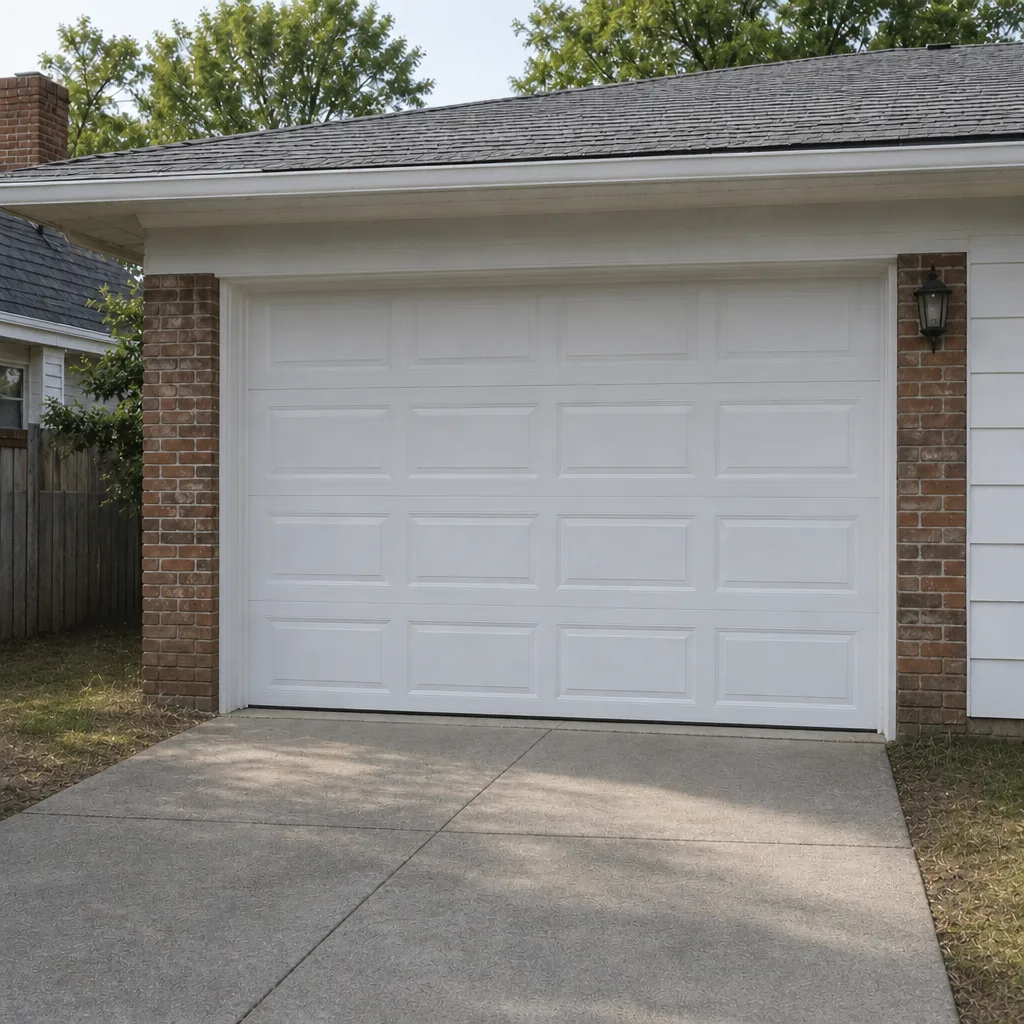
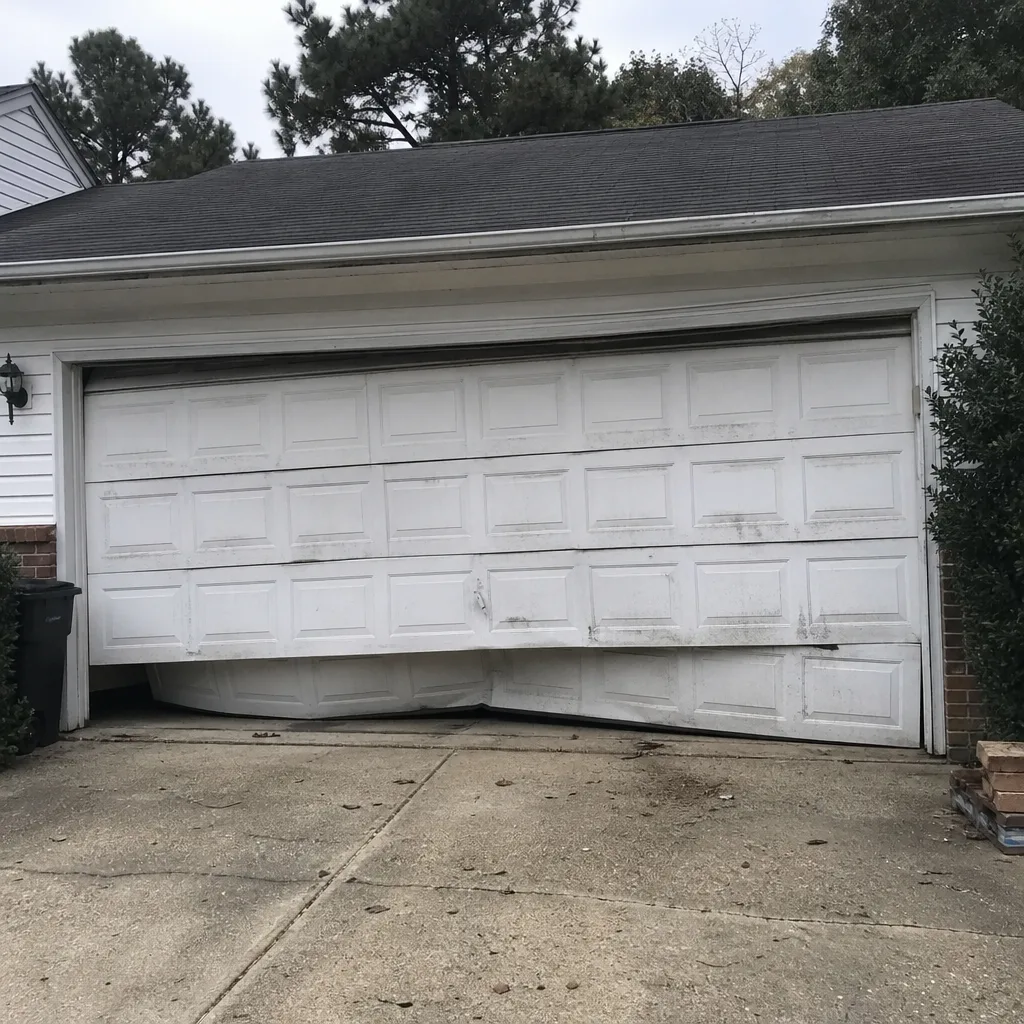
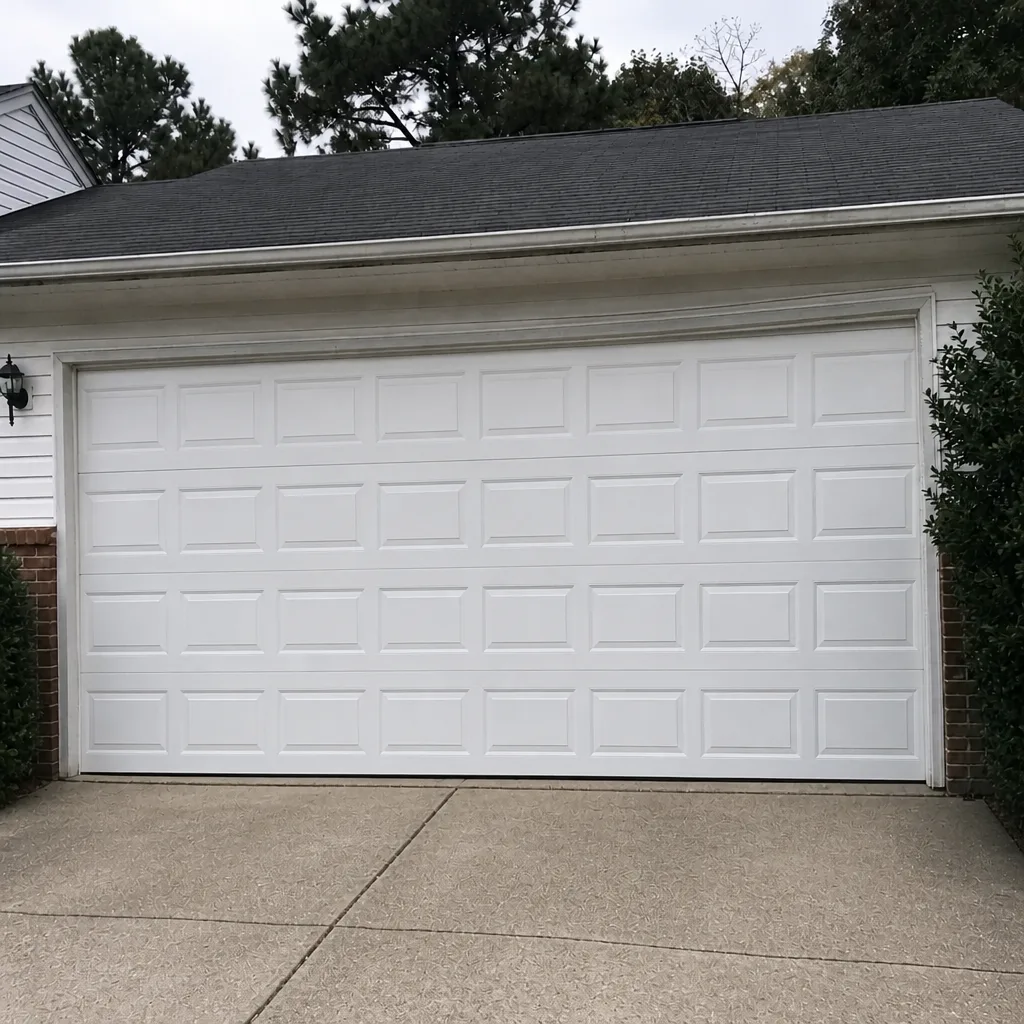
See the difference
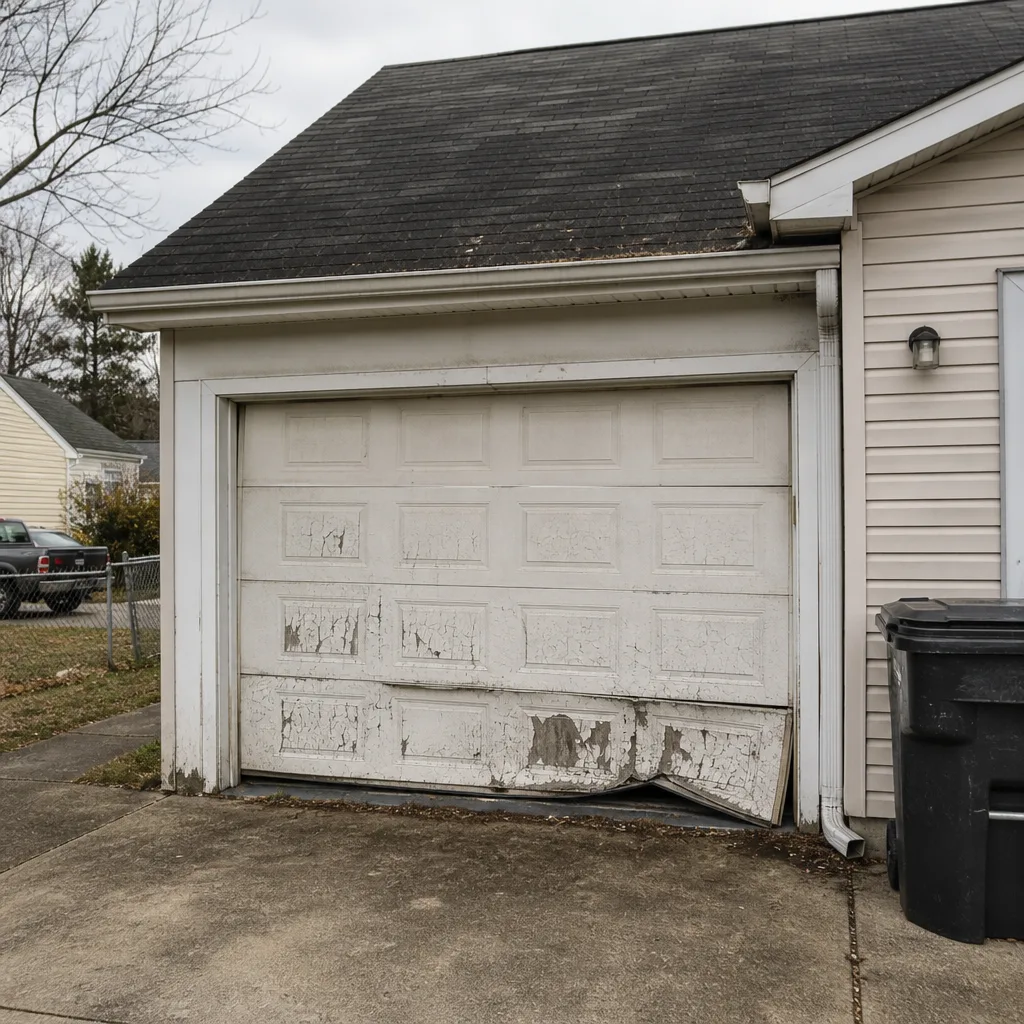 Before
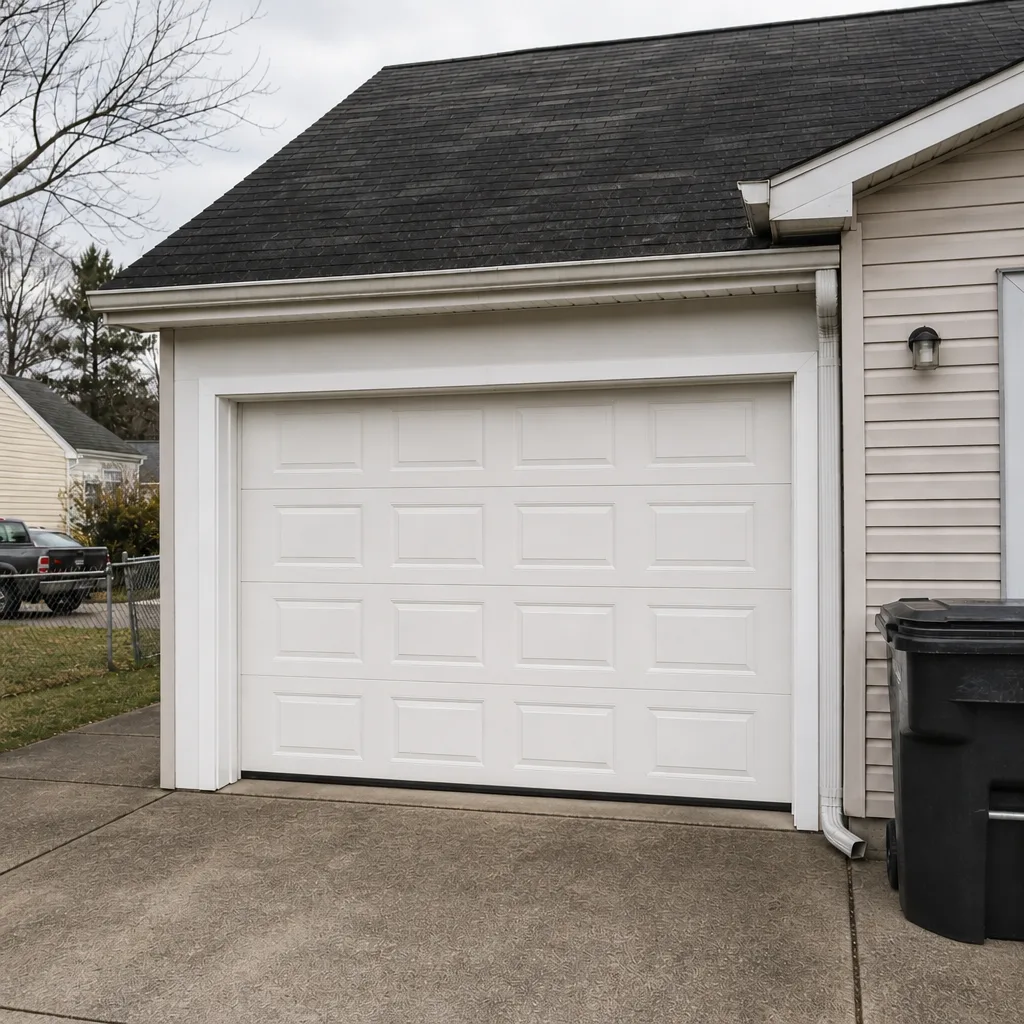 After
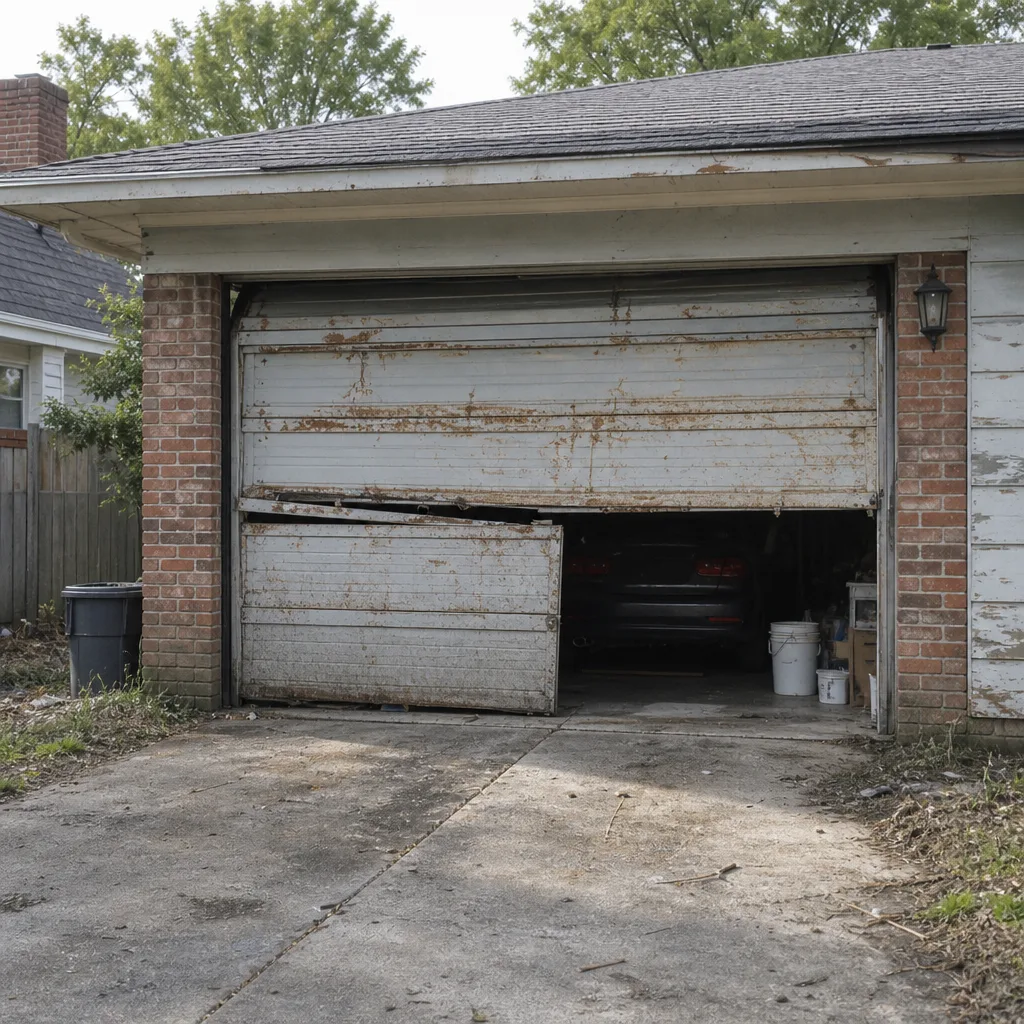 Before
 After
 Before
 After
When to Call a Professional
Call a professional when a sign on the urgent list appears: a broken spring, a frayed or kinked cable, a crooked door, a cracked bottom bracket or a door that reverses unpredictably. Call when the opener hums without lifting, when grinding is getting worse, or when you can’t remember the last inspection. And call when a door fails at an awkward time; garage door problems have a habit of showing up when you’re trying to leave. The local professionals we connect you with are licensed and insured as their state requires, and our technicians have up to 15 years of experience, including on the high-tension spring work that many generalist handymen won’t take on. Chesapeake Garage Door Repair Co offers free estimates in Chesapeake – call (866) 476-9023. Anything from spring replacement to opener service to a full new-door installation can be handled by one team, so you’re not handed off to a subcontractor for the work that’s out of the ordinary.
Frequently Asked Questions
The most common warning signs are a door that hesitates or stutters at the start of travel, grinding or popping sounds during operation, a door that reverses before closing, visible cable fraying and an opener that struggles to lift a door it once handled easily. Any of these are worth a professional look, and a broken spring, frayed cable or crooked door means stop using it.
A spring is usually near failure if the door suddenly feels heavier than usual, hesitates at the start of travel, sits unevenly at the floor, or shows a gap in the torsion coil. Grinding under load is another strong sign. Never test a torsion spring by hand; the tension makes it hazardous.
Grinding is usually listed as “handle it soon” rather than an emergency, but it should never be ignored. If grinding comes with a door that won’t stay up, a crooked hang or a broken spring, that’s the urgent tier and the door shouldn’t be used.
After a Chesapeake storm, check the tracks for grit and displaced panels, look at the bottom seal, and inspect the cables and bottom brackets for rust or new damage. Storms tend to shift tracks and drive moisture into the hardware, so a quick visual pass after heavy weather is worth the two minutes.
The balance test tells you. Disconnect the door from the opener with the release cord, lift it halfway by hand and let go. A balanced door stays put or drifts slowly; a door that slams down or won’t stay up has a spring or hardware issue. If the door passes the test, the problem is in the opener.
Almost never. Garage doors almost always give warning (noise, hesitation, a door that reverses, or a visual clue like a frayed cable) before they fail. The failure happens when those warning signs go unread. If anything on the urgent list shows up, stop using the door and get it looked at by a trained technician before it causes damage or injury. Call (866) 476-9023 for an exact quote; estimates are free.
The Bottom Line
Garage door failures rarely happen without warning. The warning is what most homeowners miss: a half-second hesitation, a grinding sound that started a few weeks ago, a cable starting to fray at the drum. Learn the sounds and the visual check points in this guide, keep the urgent list somewhere handy, and treat the can-wait list as a reminder for your next tune-up rather than a reason to panic. In Chesapeake, the climate makes cables, brackets and rollers the parts to check twice a year. Read the signs early, and you’ll spend your money on a repair rather than a surprise. Call (866) 476-9023 for a free estimate; the written quote is the price before any work starts.
Written by the team at Chesapeake Garage Door Repair Co.